Guide · Product information and safe use ·
How to Use a Surface Cleaner
Surface cleaner is one of the most widely used cleaning products at home and at work: floors, tiles and other hard surfaces are cleaned with it every day. Used in the right amount and the right way, it leaves surfaces clean without streaks. In this article we explain how to use a surface cleaner and which product to choose for which surface.
What is a surface cleaner?
Surface cleaner is a liquid cleaning product for the daily cleaning of floors, tiles and other hard surfaces. It is diluted with water and applied with a mop or cloth; it removes dust, footprints and everyday dirt and leaves a pleasant scent.
Our START all-purpose surface cleaner is TSE-certified to TS 12039 as a “liquid, general-purpose surface” cleaning agent. According to its safety data sheet, its pH is 7–8, close to neutral.
Where is surface cleaner used? Areas of use
- Ceramic, tile and porcelain floors
- PVC, vinyl and linoleum floors
- Daily cleaning of marble and granite floors
- For stains, countertop care and acid etching on marble, see our guide how to clean marble.
- For daily cleaning and limescale marks on granite worktops, see how to clean granite worktops.
- Wipeable surfaces such as doors, cabinets and laminate
- For uPVC window and door frames, see our guide how to clean uPVC windows.
- Floors in offices, schools, hospitals, hotels and shops
- For walls with washable paint, see the how to clean walls guide.
How to use it
- Sweep first: Remove dust and loose dirt by sweeping or with a dust mop.
- Dilute: Add the product to a bucket of water at the dose on the label. More product does not clean better; it can leave streaks and a sticky film.
- Mop: Wring the mop out well and mop from the far end of the room towards the door.
- Change the water: Refresh the bucket water as it gets dirty; dirty water carries dirt back onto the surface.
- For stubborn stains: Put the undiluted product on a damp cloth and apply it to the stain, then wipe with clean water.
- In workplaces: Use a wet floor sign until the floor is dry.
- For whether floors can be mopped with fabric softener, dish soap or bleach, see our guide what to mop floors with.
- For whether surface cleaner can be used on cars, glass, sofas and carpets, see wash a car with surface cleaner.
How to mop floors with surface cleaner: bucket, mop and cloth
- One bucket or two? One bucket is enough for small areas; in large areas such as corridors, schools and offices a two-bucket system, with cleaning solution in one and rinse water in the other, stops dirt being carried back onto the floor.
- Choosing a mop: A microfibre mop works with little water, dries quickly and leaves no streaks; a cotton mop holds more water and is used for coarse dirt. A flat mop suits ceramic and PVC floors, a string mop rough floors.
- Wringing: The mop is wrung until no water runs onto the floor; excess water fills the grout joints and causes parquet and laminate to swell. For parquet see the how to mop parquet guide.
- Movement: The floor is mopped from the far corner of the room towards the door in an S pattern; the same area is not passed over twice. As the mop gets dirty it is rinsed in the bucket and wrung again.
- Wiping with a cloth: Worktops, doors and cupboard fronts are wiped with a well-wrung microfibre cloth; the product goes onto the cloth, not the surface, and the surface is then wiped with a clean damp cloth.
- Mop care: When the work is done the mop head is washed in detergent water, rinsed and hung up to dry; a mop left wet smells and spreads dirt at the next mopping. The details are in the how to wash a mop guide.
- What goes in the floor water? Why fabric softener, washing-up liquid and bleach are not preferred for mopping is explained in the what to mop floors with guide.
Which product for which surface?
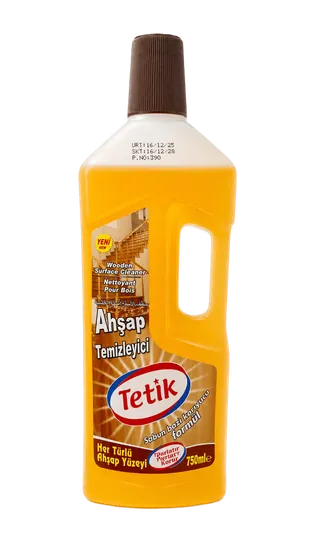
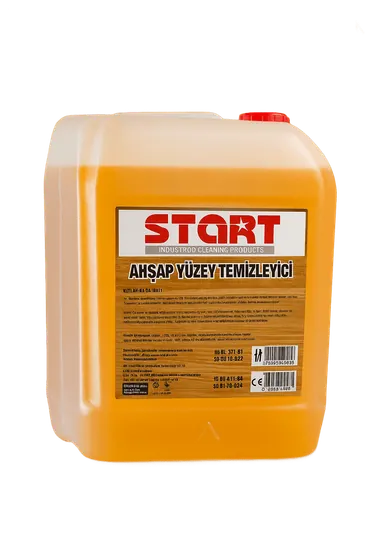
- Wood and parquet: Too much water damages wood; wipe with a well-wrung cloth and wood surface cleaner.
- Stainless steel: For lifts, worktops and equipment, use stainless steel polish.
- Floor scrubbers: For machine cleaning, use floor scrubber surface cleaner.
- Greasy kitchen surfaces: Burnt-on grease on ovens, hobs and cooker hoods needs a degreaser.
- Glass and mirrors: Use glass cleaner for a streak-free finish.
- Furniture and plastic surfaces: Silicone surface cleaner adds shine; do not use it on floors or stairs, as it can make them slippery.
- Stubborn dirt on ceramics, hobs and bathtubs: where a liquid cleaner is not enough, cream cleaner provides scrubbing power.
- Detailed guides: how to clean parquet floors, how to clean stainless steel and how to clean grout. Full list for the home: household cleaning supplies list.
- For daily and machine cleaning of PVC and vinyl floors: how to clean PVC flooring.
- For step-by-step use of our products: how to use wood surface cleaner.
- For step-by-step use of our product: how to use stainless steel polish.
- For step-by-step use of our product: how to use silicone surface cleaner.
What should surface cleaner never be mixed with?
Do not mix surface cleaner with bleach, hydrochloric acid or other cleaning products; some mixtures release harmful gases, and mixing does not make cleaning more effective. If you use different products on the same surface, rinse thoroughly with water in between. For details, see our article can cleaning products be mixed.
Safe use and storage
- According to the safety data sheet, the product carries the signal word “Warning” and causes serious eye irritation (H319). Avoid contact with the eyes.
- If it gets into the eyes, rinse with plenty of water for several minutes and remove contact lenses if present. If irritation persists, get medical advice.
- Wear gloves for prolonged use or if you have sensitive skin.
- Store the product in its original container, tightly closed, in a dry, well-ventilated place.
- Store out of the reach of children and pets, away from food.
Certificates
- TSE certificate: Our START all-purpose surface cleaner is TSE-certified to TS 12039 (cleaning agents – for surfaces, liquid; Class 1: general purpose).
- Domestic Goods certificate: We hold a Domestic Goods (Yerli Malı) certificate for general cleaner (local content 86.03%).
- Certificate numbers and expiry dates are on the documents and certificates page.
Pack options
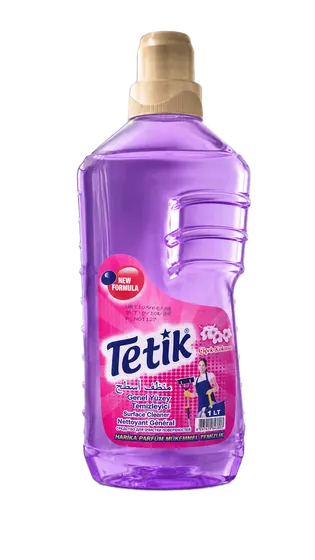
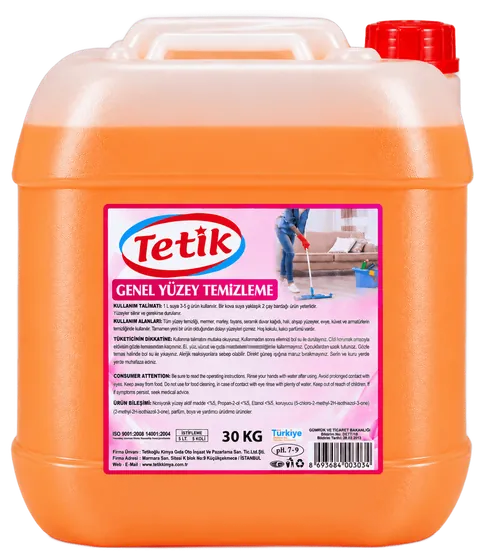
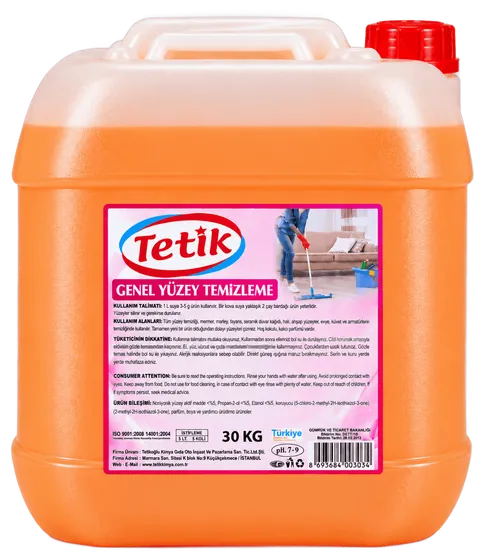
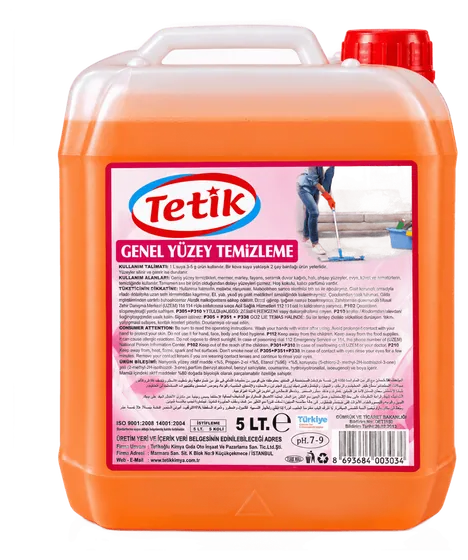
Our TETİK and START surface cleaners are produced in packs from 1 kg to 30 kg. 1 kg and 5 kg packs suit homes and small offices; 20–30 kg cans suit schools, hospitals, hotels and cleaning companies. For all products, product codes and case quantities, see the surface cleaners page; for bulk purchases, you can request a quote.
Our cleaners for general surface cleaning: TETİK Surface Cleaner 1, 5, 20 and 30 kg; TETİK Special Surface Cleaner (Orange) 5 kg; TETİK Surface Cleaner — Special 30 kg; TETİK Surface Cleaner — Concentrated 30 kg; START Surface Cleaner 30 kg; START All-Purpose Surface Cleaner 5 l.
For choosing products in canisters, see our choosing wholesale surface cleaner guide; we produce our surface cleaners at our plant in İkitelli OSB, Istanbul.