Guide · Floors, furniture and surfaces ·
How to Clean Stainless Steel?
Stainless steel sinks, lift cabins, hoods and commercial kitchen equipment quickly lose their shine with fingerprints, water spots and grease. With the right product and the right wiping direction, these surfaces are both cleaned and keep their shine. In this article we explain how to clean stainless steel and what to avoid.
How do you clean stainless steel?
- Remove dust and dirt with a damp cloth; clean greasy dirt with warm water and a little dishwashing liquid.
- Rinse and dry the surface; drying is important so that no water spots remain.
- Apply stainless steel polish to a clean, dry cloth and wipe the surface following the grain.
- Buff with a dry microfibre cloth.
- For a stainless steel fridge door and cleaning the inside: how to clean a fridge.
- For the exterior and stainless steel doors of appliances: how to clean home appliances.
- For granite, black and ceramic sinks: how to clean a kitchen sink.
- For chrome and coated taps: how to clean a tap.
- Step by step for stainless steel elevator cabins, doors, mirrors and floors: how to clean an elevator.
- Stainless steel forks, spoons and knives come into contact with food, so they are washed only with dishwashing liquid: how to polish cutlery.
- For steel kettles and teapots: how to clean a teapot.
- For steel wire strainers and colanders: how to clean a strainer.
- For stainless and chrome fittings on boats: how to clean a boat.
Tips by surface
Sink
Rinse and dry the sink after daily use. Wipe limescale stains with a neutral cleaner; do not use limescale remover or hydrochloric acid (tuz ruhu).
Lift and door panels
Wipe fingerprints with stainless steel polish, following the grain. For other common areas in apartment buildings, see the apartment building cleaning supplies list.
Commercial kitchen equipment
Clean greasy surfaces first, then polish. Detailed kitchen list: restaurant cleaning supplies.
Why does stainless steel stain?
Stainless steel resists rust thanks to a very thin, invisible protective layer on its surface. Chemicals such as salt, chlorine and hydrochloric acid can weaken this layer, and iron particles left by steel wool and ordinary steel can leave brown spots that look like rust. That is why stainless surfaces are cleaned with a soft cloth and a suitable product and then dried.
How to clean a stainless steel sink
- Wash the sink with warm water and a little dishwashing liquid using a soft sponge.
- Wipe limescale marks with a neutral cleaner; do not use limescale remover or hydrochloric acid (tuz ruhu).
- On brushed (matt) sinks, wipe in the direction of the metal grain.
- Dry the sink and, if you wish, polish it with a steel surface polish.
- For granite, black and ceramic sinks: how to clean a kitchen sink.
Stainless steel sink cleaning: daily, weekly and deep cleaning
- After every use: Take the food scraps out of the strainer, rinse the sink with warm water and dry it with a cloth; water droplets leave limescale marks when they dry.
- Daily: Wipe along the grain with a little washing-up liquid and a soft sponge, rinse and dry; wash the strainer and the overflow hole too.
- Weekly: Wipe limescale marks with a neutral cleaner and brush around the tap and the join between sink and worktop; do not use limescale remover or hydrochloric acid (how to use limescale remover).
- Deep cleaning: On a sink that looks dull and scratched, apply cream cleaner along the grain with light pressure; rinse with plenty of water and dry (what is cream cleaner).
- Odour and drain: Use an enzymatic odour remover against drain odour; do not pour bleach into the sink, it stains and corrodes steel.
- Finishing touch: You can wipe the dry sink along the grain with stainless steel polish and buff it with a dry cloth.
What damages stainless steel
- Steel wool and abrasive powders scratch the surface and make it dull.
- Chlorine and acidic products such as bleach and hydrochloric acid can cause staining and corrosion on stainless steel; if they have been used, rinse the surface immediately with plenty of water.
- Water drying on the surface leaves limescale spots; always dry after cleaning.
Water marks and fingerprints on stainless steel
White water marks come from the minerals water leaves behind as it dries, fingerprints from the oil on the skin; neither harms the steel, but both give a dull, neglected look. Remove water marks with a damp microfibre cloth and dry the surface at once; wipe fingerprints with glass cleaner or a damp cloth with a little washing-up liquid, then buff with a dry microfibre (how to use a glass cleaner). On frequently touched surfaces such as fridge doors, lift cabins and steel doors, stainless steel polish is applied sparingly and along the grain.
Stainless steel polish
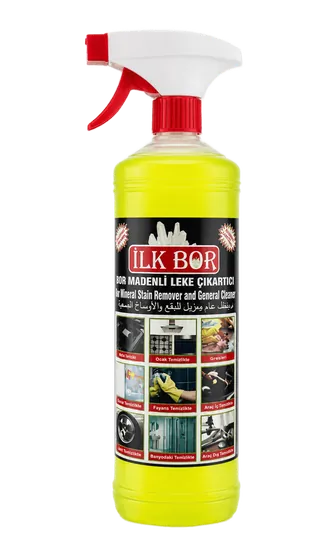
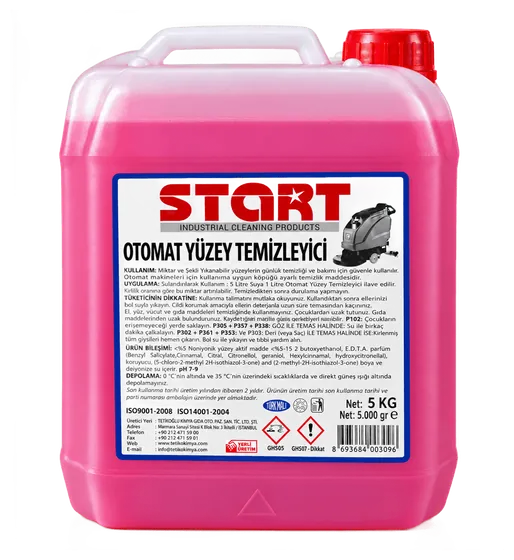
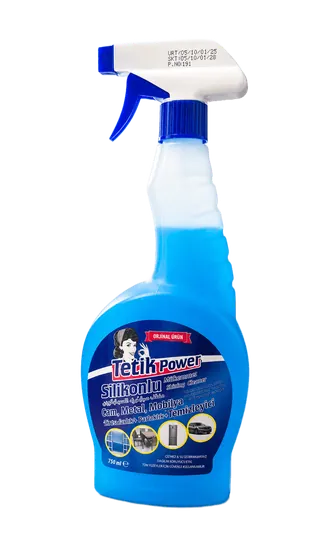
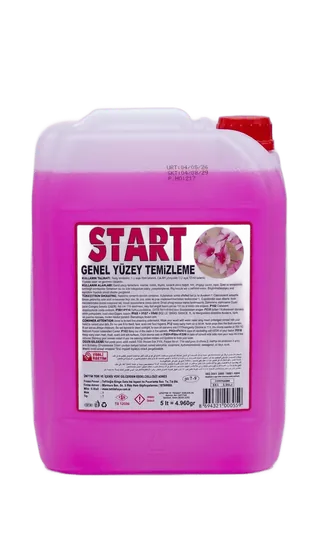
TETİK Stainless Steel Polish is produced in a spray bottle and a 5 kg canister; the product is in the surface cleaners category. Follow the label instructions for the amount to use.
For step-by-step use of our product: how to use stainless steel polish.