Guide · Floors, furniture and surfaces ·
How to Clean Marble
Marble is a natural stone made of calcium carbonate, and it reacts with acids: vinegar, lemon juice or limescale remover dissolve the surface and leave it dull. So the first rule of cleaning marble is to avoid acidic products. For everyday cleaning, a near-neutral surface cleaner and a soft cloth are enough; this guide gives the steps for floors, countertops and stains.
Why should acid never be used on marble?
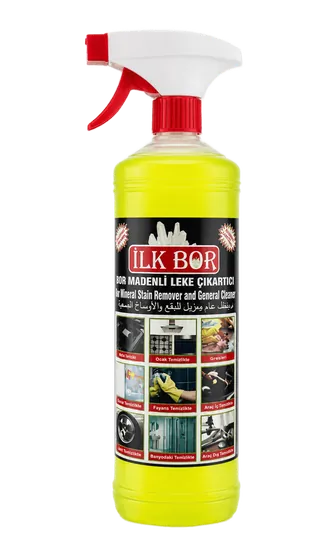
Limescale remover, hydrochloric acid, acidic toilet cleaners, vinegar and lemon juice dissolve the marble surface. The shine is lost and dull marks known as etching appear; this damage does not clean off. For which surfaces limescale and rust products must not be used on, see how to use limescale remover and how to use hydrochloric acid.
How to clean a marble floor
- Remove the dust: sweep first or use a dry mop; grains of sand and dust scratch marble.
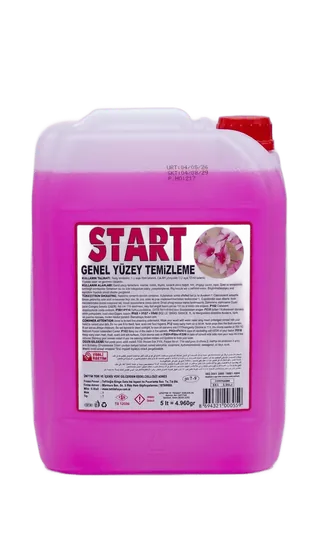
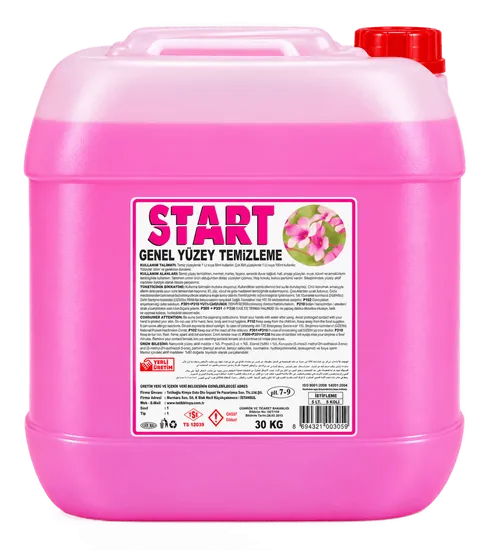
- Choose a neutral cleaner: add a near-neutral surface cleaner to lukewarm water at the dose on the label. According to its safety data sheet, START Genel Yüzey Temizleyici has a pH of 7–8.
- Mop with little water: wring the mop out well and leave no puddles on the marble.
- Dry it: on polished floors, dry the surface with a dry cloth or mop so no water marks remain.
- For detailed use, see our guide how to use surface cleaner.
How to clean a marble countertop
- For daily cleaning, add a little dish detergent or neutral surface cleaner to lukewarm water and wipe with a soft cloth.
- Rinse with a clean damp cloth and dry; leave no detergent residue on the countertop.
- Do not leave acidic foods such as lemon, vinegar, tomato, wine and cola on the countertop; wipe up spills immediately.
- Steel wool, hard scouring pads and abrasive powders and creams scratch polished marble; do not use them.
- For granite worktops: how to clean granite worktops.
- For travertine tables, floors and bathrooms: how to clean travertine.
- For granite floors: how to clean granite floors.
- For marble, granite and wooden stairs: how to clean stairs.
- For hammam marble, the central stone and basins: how to clean a hammam.
- For marble and granite gravestones: how to clean a gravestone.
- For fireplace marble and fireplace stone: how to clean a fireplace.
- For yogurt and acidic foods spilled on marble: how to remove yogurt stains.
- For laminate, quartz and wooden kitchen worktops: how to clean kitchen worktops.
- For quartz (Çimstone) worktops: how to clean quartz worktops.
How to remove stains from marble
- Grease stains: marble is porous and absorbs oil; blot the stain straight away with a paper towel and wipe with a neutral cleaner.
- Coffee, tea and wine: blot immediately; rubbing spreads the stain.
- Water and limescale marks: do not try to remove them with acid; drying the surface after use prevents them.
- For deep-set and old stains, consult a stone care specialist.
Why does marble turn yellow and dull?
- Build-up of dirt and grease: on marble that is not wiped regularly, kitchen grease and dirt settle into the pores and the surface yellows over time.
- Unsuitable products: bleach and harsh chemicals can cause discoloration on some marble.
- Acidic products: vinegar, lemon juice, limescale remover and hydrochloric acid dissolve the marble surface; it turns dull and stained.
- The stone itself: some types of marble can yellow over time and with moisture because of the minerals they contain.
- Build-up of polish and care products: care products applied layer upon layer can build up on the surface and leave a dull, yellowish look.
- If yellowing and dullness are deep, cleaning may not remove them completely; ask a professional stone care service about polishing the marble.
Etched and darkened marble
Acid etching is wear of the marble surface; a cleaning product cannot reverse it, and it needs professional grinding or polishing. Darkened marble usually has dirt worked into its pores: regular neutral cleaning stops it getting worse, while deep dirt again needs a stone care service. To prevent damage, keep acidic products away from marble and wipe up any splashes immediately with plenty of water.
Marble floors in businesses
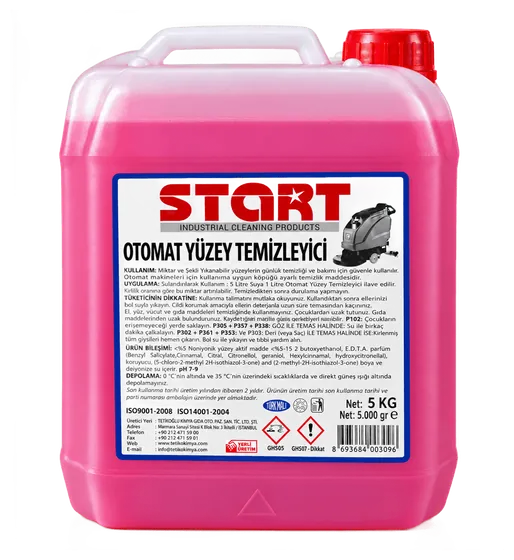
Large marble floors in hotel lobbies, shopping centres, offices and hospitals are usually cleaned with a scrubber-dryer. According to its safety data sheet, START Otomat Yüzey Temizleyici has a pH of 7–8 and is made low-foaming for scrubbers: scrubber-dryer detergent. The products are in the surface cleaner category, and bulk purchasing is on the wholesale cleaning products page.