Guide ·
How to Use Glass Cleaner
Most streaks on glass come from how the product is applied, not from the product itself. With the right cloth, the right amount and the right timing you can clean glass and mirrors without streaks.
What you need
- Spray glass cleaner
- Clean, lint-free microfibre cloths (at least two)
- A squeegee for large windows
- Pre-wash water for very dirty outside windows
Glass cleaning step by step
- Remove dust: Wipe dust and cobwebs from the frame and glass with a dry cloth; otherwise they turn to mud and leave streaks.
- Spray a small amount: Apply the glass cleaner from 20–30 cm away, just enough not to soak the surface. For small areas, spraying the product directly onto the cloth gives more control.
- Wipe: Wipe with a microfibre cloth from top to bottom or in an S pattern.
- Buff with a dry cloth: Polish the surface with a second, completely dry cloth.
- Check the edges: Pick up drops left in the corners with the tip of the cloth.
Why does glass streak? Common mistakes
- Wiping in the sun: On hot glass the product dries quickly and leaves streaks. Clean windows in the shade or during cooler hours.
- Using too much product: Excess liquid dries before it is wiped off and leaves marks.
- A dirty or softener-treated cloth: Cloths with fabric softener residue can leave greasy streaks on glass.
- Not dusting first: Dust mixed with liquid creates muddy streaks.
Screens and delicate surfaces
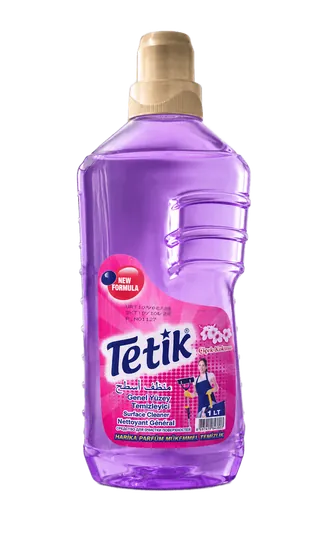
Glass cleaner should not be sprayed directly onto TV, computer or phone screens; follow the manufacturer's instructions. Likewise, wipe off any product that runs onto painted or wooden frames immediately. For wood and general surfaces, surface cleaners are more suitable.
For businesses: refill canisters instead of bottles
In places where glass is cleaned often, such as shop windows, offices and cleaning companies, refilling spray bottles from 5–30 kg refill canisters reduces packaging waste and cost. All packs of TETİK Camsil and START Glass Cleaning Liquid are on the glass cleaners page.