Guide · Kitchen and dishes ·
How to Clean Granite Worktops
Granite is a hard, durable natural stone; however, its porous structure means it can absorb liquids such as oil, coffee and wine, and the protective sealer on its surface is damaged by acidic and abrasive products. For daily cleaning, a near-neutral cleaner, a soft cloth and drying are enough. This guide covers daily cleaning, stains and limescale marks.
Daily cleaning
- Remove crumbs: first wipe the worktop with a dry or damp cloth; sand and crumbs can scratch a polished surface.
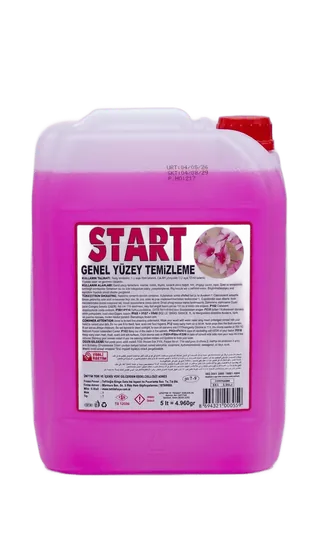
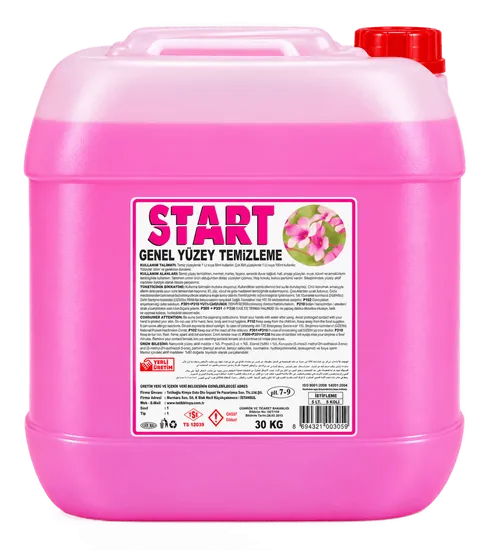
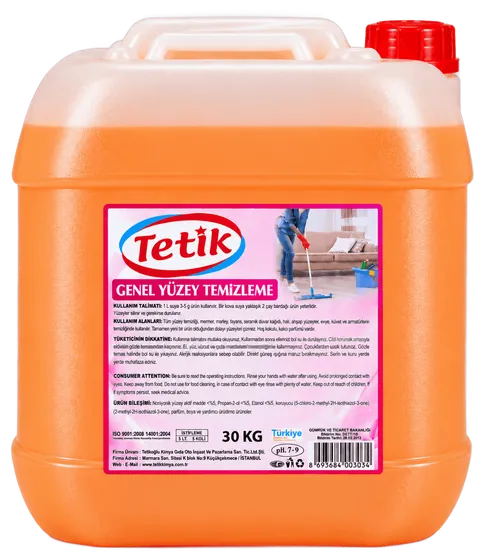
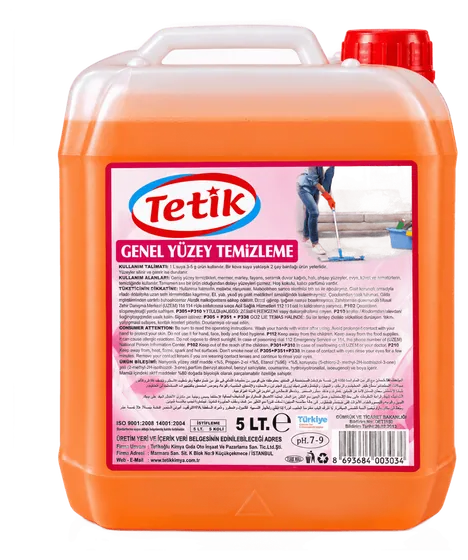
- Wipe with a neutral cleaner: add a near-neutral surface cleaner to warm water at the dose on the label, or a little dishwashing liquid, and wipe with a soft cloth. According to its safety data sheet, START Genel Yüzey Temizleyici has a pH of 7–8.
- Rinse: on areas that touch food, remove detergent residue with a clean damp cloth.
- Dry: dry the worktop with a microfibre cloth so that no water spots or limescale marks remain.
How to remove stains from granite worktops
- Grease stains: blot the stain straight away with kitchen paper and wipe with a neutral cleaner; if granite absorbs the oil, a dark mark remains.
- Coffee, tea and wine: blot immediately; rubbing spreads the stain.
- Lemon, vinegar and tomato: do not leave acidic foods on the worktop; wipe up spills immediately.
- For deep-set and old stains, consult a stone care specialist.
- For laminate, wooden and stainless steel worktops: how to clean kitchen worktops.
How to remove limescale from granite worktops
The white marks around the tap and sink are limescale left by evaporated water. Acidic cleaners such as limescale remover, hydrochloric acid cleaner and vinegar-based products can damage the shine and protective sealer of granite, so they are not used. Wipe the marks with a neutral cleaner and a soft cloth, and dry the worktop after every use. For a thick limescale layer, consult a stone care specialist.
Yellowed and darkened granite
Yellowing or darkening of a granite worktop usually comes from grease and dirt that have soaked into the surface or from a worn protective sealer. Regular neutral cleaning and drying prevent new stains; for discolouration that has soaked in and for worn protection, ask a stone care specialist about polishing or resealing (impregnation). Do not put hot pans directly on the worktop; use a trivet.
Products not to use on granite
- Acidic cleaners such as limescale remover, hydrochloric acid cleaner, bathroom and toilet cleaner and vinegar-based products.
- Strong alkaline products such as degreaser, and bleach: they can damage the protective sealer.
- Steel wool and hard scouring pads; on polished granite, test abrasive cream cleaners on a small hidden area first.
- Do not mix different cleaning products (can cleaning products be mixed).
- For what cream cleaner is and where it is used: what is cream cleaner.
Granite sinks and composite worktops
Most products sold as granite sinks are made of composite material, and the care advice depends on the manufacturer. Use a neutral cleaner and a soft sponge on these surfaces too, and follow the manufacturer's care instructions. For marble worktops, see how to clean marble; for the whole kitchen, see how to clean a kitchen.
For quartz (Çimstone) worktops: how to clean quartz worktops.
For granite floors and stairs: how to clean granite floors.
For granite, black and ceramic sinks: how to clean a kitchen sink.
For businesses
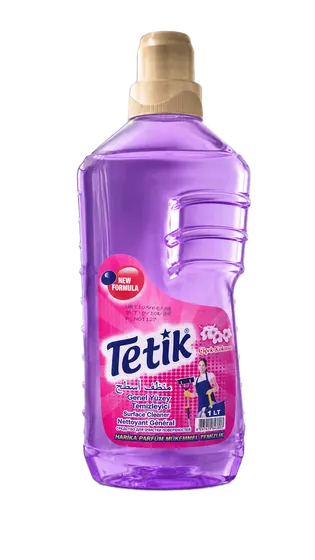
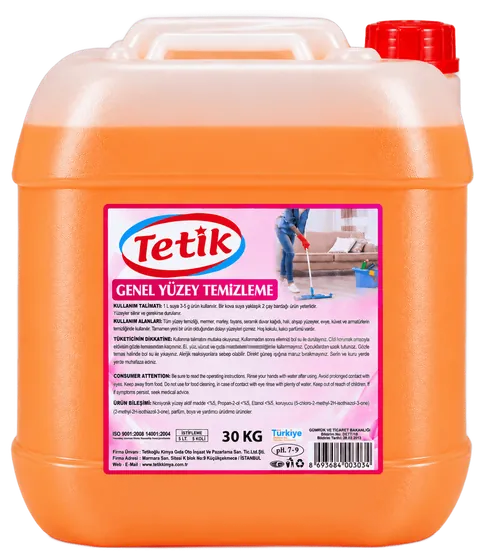
In restaurant, café and hotel kitchens, granite worktops are wiped many times a day. Our surface cleaners are produced under the TETİK and START brands in packs from 1 kg to 30 kg; all products are on the surface cleaners page, and for bulk purchases you can request a quote.