Guide · Floors, furniture and surfaces ·
How to Clean Walls
Whether a wall can be wiped depends on the type of paint: washable paints can be cleaned with a damp cloth, while matt and ceiling paints easily leave marks and sheen differences when wet. The right method is little moisture, a neutral cleaner and a soft cloth. This guide explains how to clean painted walls, grease on kitchen walls, hand and pen marks, and wallpaper.
First, know your paint
- Washable paint: satin and semi-gloss paints can usually be wiped with a damp cloth; washability is stated on the paint tin or in the product information.
- Matt and ceiling paint: wiping with water can cause marks, sheen differences and paint running; only clean dry or spot-clean with very little moisture.
- If you are not sure: test first in a hidden corner, such as behind a cupboard.
- For doors and door frames: how to clean doors.
- For darkening on the wall above radiators and radiator cleaning: how to clean radiators.
How to clean walls: step by step
- Remove the dust: dust the wall from top to bottom with a dry mop, a dusting brush or the vacuum cleaner's brush attachment.
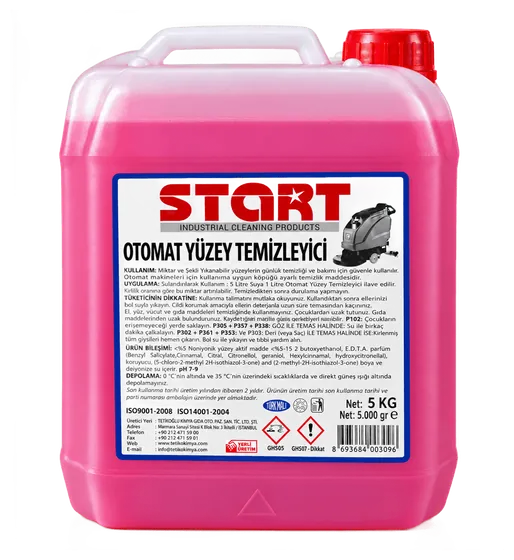
- Prepare the cleaning water: add neutral surface cleaner to lukewarm water at the amount on the label. According to its safety data sheet, our START all-purpose surface cleaner has a pH of 7–8.
- Wipe with a well-wrung cloth: wring the cloth or sponge out thoroughly; no water should run down the wall. Work in small sections.
- Rinse: remove detergent residue with a clean damp cloth.
- Dry: pat dry gently with a dry cloth; keep water away from sockets and light switches.
- For plug sockets and light switches: how to clean a plug socket.
How to clean matt wall paint
- Dry cleaning first: On matt paint most dirt is dust; a dry microfibre mop or the brush head of the vacuum cleaner removes it from top to bottom and no wet wiping is needed.
- Spot cleaning with very little moisture: For fingerprints and small marks the cloth is wrung until almost dry, pressed onto the mark and not rubbed; the wet area is kept small. Once the cleaned patch dries, check whether there is a difference in sheen.
- Test first: Try it on a hidden spot such as behind a cupboard or next to a door frame; if paint comes off on the cloth, the wall is not wiped, only cleaned dry.
- Washable matt paints: Some newer matt paints are made washable; if the packaging or product information says so, the wall can be wiped in small sections with a neutral surface cleaner and a well-wrung cloth.
- Stubborn marks and darkening: On matt paint rubbing enlarges the mark and leaves a shiny patch; in that case stop cleaning and touch up with the same paint. If a whole section from corner to corner is painted rather than the entire wall, the colour difference does not show.
- Ceiling paint: Ceiling paints are matt and absorbent and are not wiped wet; the details are in the how to clean ceilings guide.
How to remove stains from walls
- Hand and finger marks: wipe gently with a well-wrung damp cloth and a little surface cleaner.
- Grease on kitchen walls: wipe with lukewarm water and a little dishwashing liquid, then rinse with a clean damp cloth; degreaser is not used on painted walls.
- Pen and crayon: first wipe gently with a dry cloth; if it does not come off, try a slightly damp cloth. Abrasive creams and hard sponges strip the paint. For crayon on fabric, carpets and tables: how to remove crayon stains.
- Pencil: for detailed steps, see how to remove pencil marks.
- Stains that won't come off: if the paint is matt, touching up with paint gives a better result than scrubbing the stain.
- Stove and candle soot: dry cleaning is needed before wetting: how to remove soot stains.
- Ballpoint pen: the method differs for washable and matt paint: how to remove ballpoint pen ink.
- For yellowing left by cigarette smoke: how to remove nicotine stains.
- For tape and sticker marks: how to remove sticker residue.
- For ceilings: how to wash a ceiling.
- For skirting boards: how to clean skirting boards.
What goes into the water for washing walls?
- Neutral surface cleaner: A neutral surface cleaner is added to lukewarm water in the amount on the label; it is the safest product for painted walls and rinses easily. The products are on the surface cleaners page.
- Lukewarm water only: On washable paint a lightly soiled wall is usually cleaned with lukewarm water and a well-wrung microfibre cloth alone; cleaner is needed only for fingerprints and greasy dirt.
- Kitchen walls: For greasy dirt a little washing-up liquid is added to lukewarm water and only the marked area is wiped; it is then rinsed with clean water, because foam residue leaves marks.
- What not to add: Bleach lightens the paint; degreaser and limescale remover strip the paint; laundry detergent and powder detergent leave foam residue and a difference in sheen; alcohol-based and perfumed products stain matt paint.
- Water and cloth: The water is changed as it gets dirty; a wall wiped with dirty water turns grey. Microfibre holds less water than cotton and leaves no lint; a clean side of the cloth is used for each wall.
- Rinse water: The second bucket holds clean water only; after wiping with cleaner, the same area is wiped with a clean damp cloth and dried.
How to clean wallpaper
Washable (vinyl) wallpapers are wiped with a well-wrung damp cloth and a little neutral cleaner, then dried. Paper and textile wallpapers are sensitive to water; only dust them with a dry cloth or a soft brush. The wallpaper's label or the manufacturer's information shows whether it is washable; do not let water get into the seams.
Plaster and whitewashed walls
Unpainted plaster and lime-washed walls absorb water and stain easily; these surfaces are not wiped wet. Remove the dust with a dry brush; where there are stains, repaint if necessary.
What not to do
- Wiping with lots of water: paint blisters, and plaster and wallpaper are damaged.
- Using abrasive powders and creams or steel wool: the paint goes dull or comes off.
- Using strong products such as bleach, degreaser and limescale remover: they spoil the colour and surface of the paint.
- Letting water reach sockets and light switches.
- Mixing different cleaning products (can cleaning products be mixed).
For schools, hotels and offices
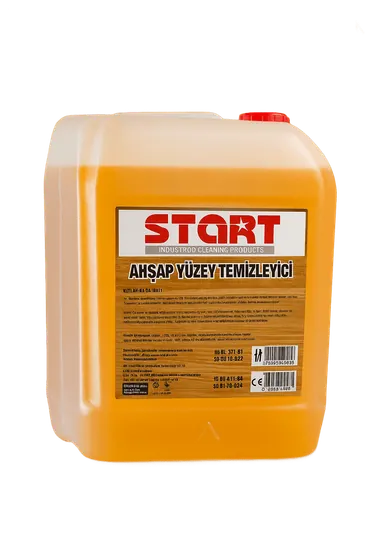
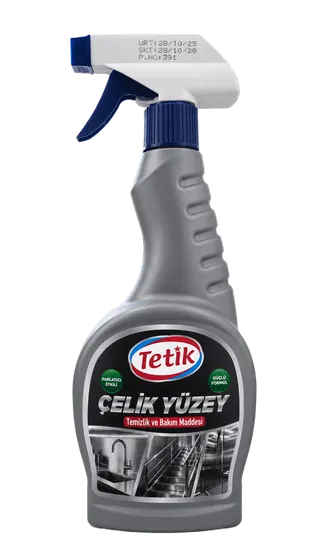
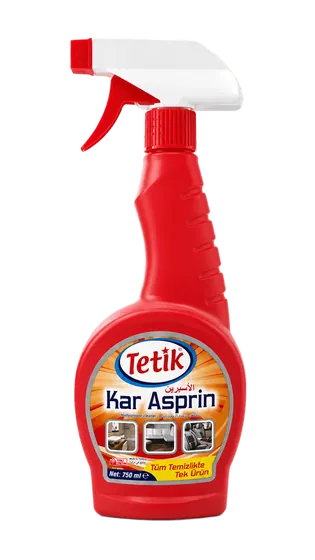
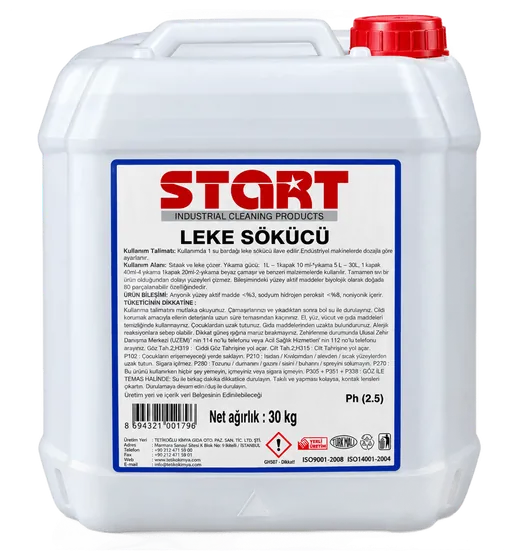
In school corridors, hotel rooms and offices, walls quickly get dirty with hand and bag marks. For regular cleaning of walls with washable paint, our surface cleaners are produced under the TETİK and START brands in packs from 1 kg to 30 kg; the products are on the surface cleaners page. For institutional cleaning, see our School cleaning supplies list guide, and for bulk purchases you can request a quote.