Guide ·
Can Cleaning Products Be Mixed?
Mixing cleaning products does not make them work better, and some mixtures release dangerous gases. Using the pH values and warnings in our safety data sheets (SDS), this guide explains which products must not be used together and why.
Short answer: no
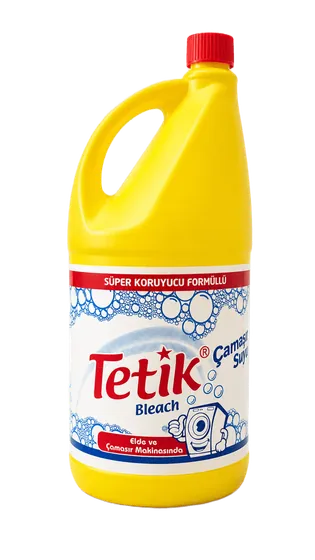
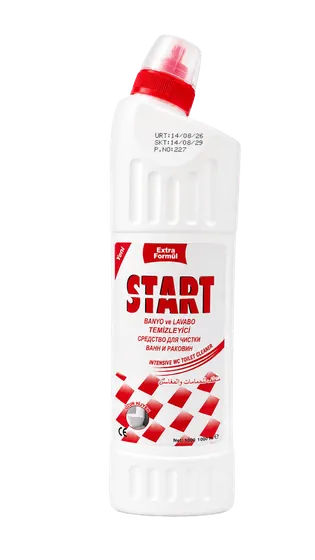
Do not mix cleaning products; use them one at a time and rinse thoroughly with water in between. The most dangerous combination is a chlorine product such as bleach with an acidic product (hydrochloric acid, limescale and rust removers, acidic toilet cleaners).
For example, the safety data sheet of our START bathroom and WC cleaner states that it reacts violently with chlorinated products, and the bleach safety data sheet requires keeping it away from acids and acidic substances.
Why are bleach and acids dangerous together?
The active ingredient of bleach is sodium hypochlorite. When it meets an acid, chlorine gas is released. Chlorine gas irritates the eyes, nose and airways and can cause serious poisoning in enclosed spaces.
Bleach must not be mixed with ammonia-containing products either; that mixture forms chloramine gases, which also harm the airways.
What is pH and why does it matter?
pH shows how acidic or alkaline a solution is on a scale of 0–14: 7 is neutral, below 7 is acidic and above 7 is alkaline. Acidic products dissolve mineral deposits such as limescale and rust better; alkaline products work better on grease and organic soil.
Acidic and alkaline products neutralise each other, so mixing them weakens both, and the reaction can also release heat.
pH values of our products
Values are taken from the products' safety data sheets and were measured at 20 °C unless stated otherwise. Values for our other brands made to the same formula are shown on the relevant product page.
| Product | pH | Signal word |
|---|---|---|
| START Limescale & Rust Remover | 1–2 | Danger |
| START Bathroom & Toilet Cleaner | 1–2 (in 1% solution) | Danger |
| START Soft Fabric Softener | 3–7 | Warning |
| START Dishwashing Liquid | 5–9 | Warning |
| START Hand Cleaning Liquid | 5–7 | Warning |
| START Foam Hand Soap | 5.5–7 | Warning |
| START Glass Cleaner | 7–9 | Warning |
| START All-Purpose Surface Cleaner | 7–8 | Warning |
| START Mineral Liquid Cream Cleanser | 7–12 | Danger |
| START Floor Scrubber Surface Cleaner | 7–8 | Warning |
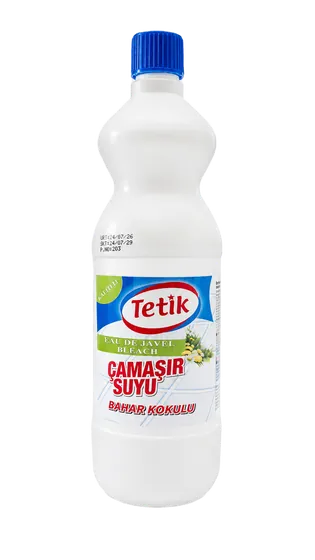
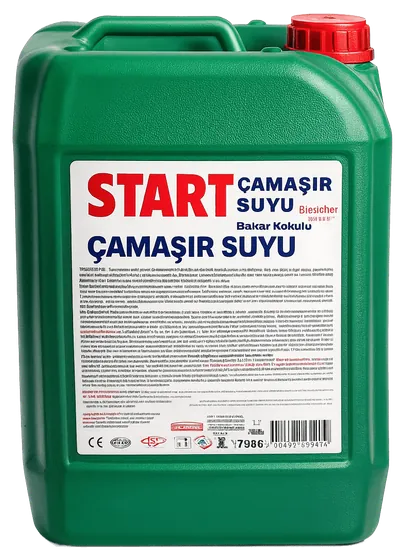
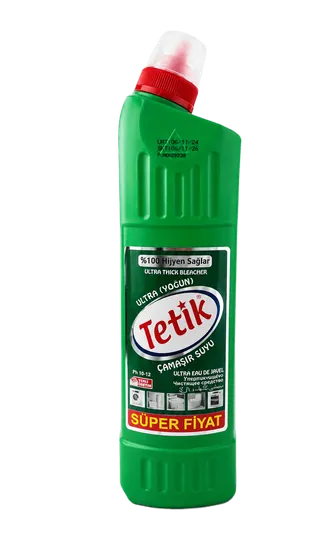
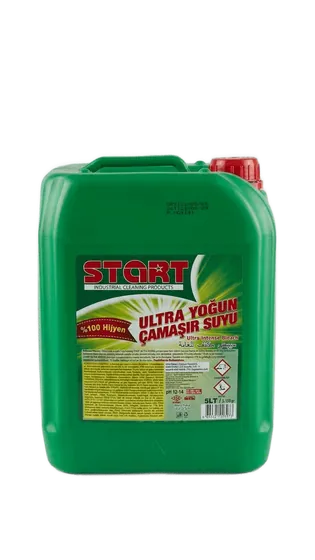
| START Ultra Thick Bleach | 12–14 | Danger |
| START Degreaser | 12 | Danger |
| START Bleach | 12–14 | Danger |
Rules for safe use
- Never mix products; if you use them one after another on the same surface, rinse thoroughly with water in between.
- Do not use bleach at the same time as hydrochloric acid, limescale removers or acidic toilet cleaners.
- Keep products in their original, labelled packaging; never decant them into empty drink bottles.
- Wear gloves, and goggles where needed, with products bearing the corrosive (GHS05) symbol; ventilate enclosed spaces.
- Store products out of the reach of children and away from food.
- If products are mixed by accident, leave the area at once and ventilate it; if symptoms appear, call a poison centre (in Turkey: UZEM, 114).
Safety data sheets
On our product pages, each product's pH, hazard statements, storage conditions and substances to avoid are summarised from its safety data sheet. Full sheets are sent on request; see the list on our safety data sheets page.