Guide · Floors, furniture and surfaces ·
What to Mop Floors With
The best product for mopping is a surface cleaner made for floors. Fabric softener, dish soap and bleach are made for other jobs. This guide explains which of them can be used on floors and the right product for each floor type.
The short answer
- Surface cleaner: made for everyday mopping; add it to the bucket at the dose on the label (how to use surface cleaner).
- Fabric softener: not recommended; it is made for fabric and can leave a slippery, sticky film on floors.
- Dish soap: only a very small amount if you have to; it foams a lot and leaves streaks if not rinsed.
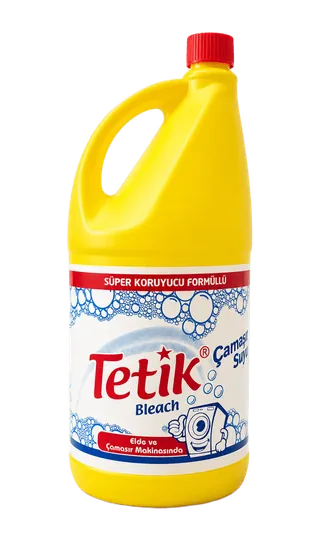
- Bleach: only on durable floors, diluted as stated on the label and never mixed with other products.
- Potash soap: can be used on floors, wood and parquet (how to use potash soap).
Can you mop floors with fabric softener?
Fabric softener contains softening ingredients that cling to textile fibres and is made to stay in the laundry. It leaves a similar thin film on floors: the surface can become slippery and feel sticky, the film gradually traps dust and dirt, and glossy floors show marks. If you want a pleasant scent when mopping, choose a pleasantly scented surface cleaner.
Can you mop floors with dish soap?
Dish soap is made for rich foam and strong grease cutting. Too much in the bucket leaves foam and a slippery floor, and if it is not rinsed it leaves a dull film and streaks. If you have to use it, use very little and rinse with clean water; for regular mopping a surface cleaner is better. For greasy spots on a kitchen floor, you can put undiluted surface cleaner on a damp cloth and apply it to the spot.
Can you mop floors with bleach?
On durable floors such as ceramic tiles, bleach can be used diluted with cold water as stated on the pack; then rinse with clean water and ventilate the room. Do not use it on marble and natural stone, wood, parquet or laminate; it lightens the colour of rugs and mats. Never mix bleach in the same bucket with surface cleaner, hydrochloric acid, limescale remover or ammonia products; toxic gas can be released (can cleaning products be mixed). For details, see how to use bleach.
Which detergent should you use to mop floors? Which is best?
- Floor type: The best floor cleaner is the one that suits your floor: a general surface cleaner for ceramic and tiles, a neutral cleaner suitable for wood for parquet and laminate, an acid-free neutral product for marble and natural stone.
- No streaks: On glossy ceramic and dark floors, streak-free formulas that need no rinsing reduce the workload.
- Foam: Moderate foam is no problem when mopping by hand; a low-foaming product is essential in floor-washing machines and scrubber-dryers.
- Scent: Mildly scented products in closed offices and schools, scented to taste at home; a heavy scent causes headache complaints.
- Dilution and packaging: A concentrated product in a large pack is more economical; the dose and dilution instructions on the label must be clear.
- Safety: Choose a product with a safety data sheet and a complete label; bleach, fabric softener and washing-up liquid are not floor-cleaning products. See the surface cleaner page for the products in the category.
The right product for each floor type
- Ceramic tiles: surface cleaner; for the grout lines see how to clean grout.
- For matt and glossy ceramic floors: how to clean ceramic floors.
- Marble and natural stone: a near-neutral surface cleaner; no acidic products (how to clean marble).
- Travertine: a porous natural stone; use a neutral cleaner and little water (how to clean travertine).
- Parquet and laminate: with little moisture and a cleaner made for wood (how to clean parquet floors).
- PVC and vinyl: diluted surface cleaner.
- Terrazzo, PVC and linoleum in detail: how to clean terrazzo, how to clean PVC flooring.
- Large business floors: a scrubber-dryer and a low-foaming machine detergent (scrubber-dryer detergent).
- For painted walls and wallpaper: how to clean walls.
- For washing mop heads: how to wash a mop head.
- For bleach splashed onto coloured fabric: how to remove bleach stains.
Common mistakes when mopping
- Mopping without sweeping first: dust and sand spread with the mop and scratch the floor.
- Using more product than the label says: more does not clean better, it leaves streaks and stickiness.
- Carrying on with dirty water: change the bucket water as it gets dirty.
- Mopping without wringing: excess water damages wood and laminate and slows drying.
- Mixing products in the same bucket: dangerous gas can be released.
- Not marking wet floors in businesses: use a wet floor sign until the floor is dry.
Floor cleaning products
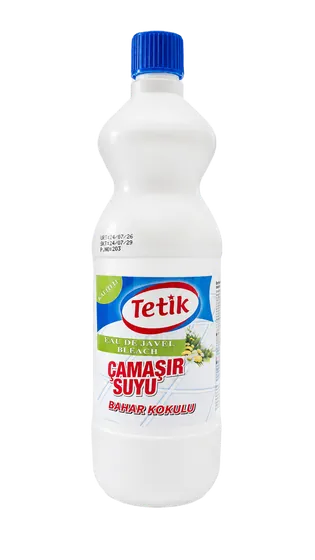
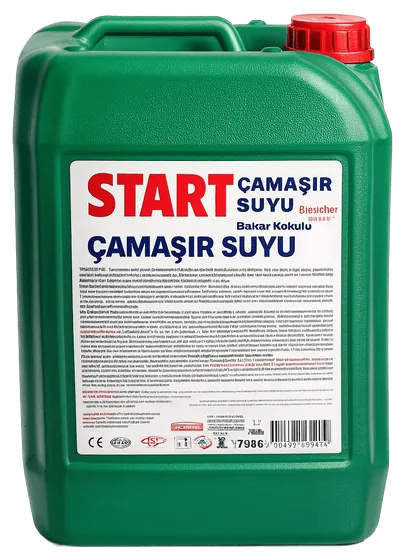
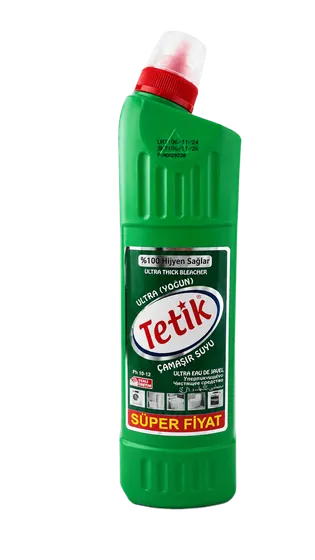
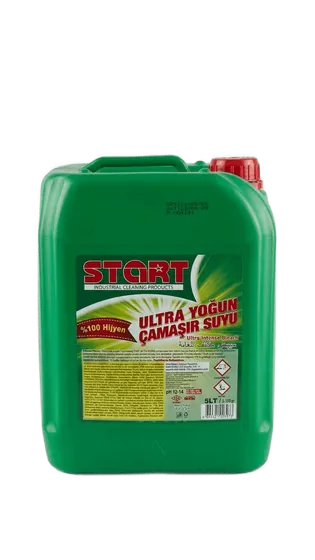
Tetikoğlu Kimya offers surface cleaners under the TETİK and START brands, from 1 KG bottles to 30 KG drums, in the surface cleaner category. For bulk use in offices, schools, hotels and apartment buildings, see wholesale cleaning products.