Guide · Kitchen and dishes ·
How to Clean Wooden Spoons
Wooden spoons, spatulas and ladles absorb grease, sauce and spices while stirring food; because wood is porous, it swells, cracks and darkens when left in water. That is why wooden kitchen utensils are washed by hand with dishwashing liquid and dried straight away. This guide explains how to clean wooden spoons, spatulas and ladles and what to do with greasy and darkened spoons. For chopping boards, see the guide how to clean a chopping board.
How to clean wooden spoons: after every use
- Wash it promptly: wash the spoon after use before food residue dries on.
- Wash with dishwashing liquid: add a little TETİK dishwashing liquid to lukewarm water or the sponge and scrub the spoon with the soft side of the sponge.
- Mind the bowl and handle: remove residue in the bowl of the spoon and where the handle joins with a soft dish brush.
- Rinse: rinse the spoon under running water until no detergent remains.
- Dry it: dry the spoon straight away with a cloth and leave it to dry completely in an airy place.
Why aren't wooden spoons soaked?
Wood absorbs water; a wooden spoon left in water or washed in the hot water and long programme of a dishwasher swells, cracks as it dries, becomes rough and darkens. Bamboo spoons and spatulas may be made of glued layers, so they are also washed by hand. Do not put wooden utensils in the dishwasher unless the manufacturer says they are dishwasher-safe. For using dishwashing liquid correctly, see the guide how to use dishwashing liquid.
How to clean a greasy wooden spoon
A sticky film of grease gradually forms on wooden spoons used for frying and sautéing. To remove it, apply a small amount of TETİK gel dish detergent to the sponge, scrub the spoon under lukewarm water and rinse thoroughly; repeat if necessary. Do not soak the spoon in soapy water. Steel wool and abrasives roughen the surface of the wood. Degreaser is not made for food-contact surfaces; do not use it on wooden spoons. For greasy pans and pots, see the guide how to clean a frying pan.
How to clean a darkened wooden spoon
Darkening of wooden spoons usually comes from moisture, from the spoon staying wet and from grease and spice colours absorbed over time; foods such as tomato paste, turmeric and coffee can leave a permanent colour in the wood. This discolouration does not fully go away with washing. Products such as bleach, surface cleaner and limescale remover are not made for food-contact surfaces; do not use them on wooden spoons. We also do not recommend home mixtures made with lemon, salt, vinegar or baking soda. Washing the spoon after every use and drying it completely slows down darkening.
New wooden spoons
- Before first use, wash a new wooden spoon in lukewarm water with a little dishwashing liquid, rinse and dry it.
- Read the use and care instructions on the packaging.
- For wood care such as oiling, follow the manufacturer's recommendation.
Drying and storage
- Put the wooden spoon away only once it is completely dry; do not put it in a closed drawer while wet.
- Store the spoons in a ventilated utensil holder or hanging up.
- Do not leave the wooden spoon on the hob or inside a hot pot; heat and steam can crack the wood.
- For dish racks and drip trays, see the guide how to clean a dish rack.
When should a wooden spoon be replaced?
- If mould stains have appeared on the spoon.
- If there are deep cracks, splits or splintering.
- If the tip of the spoon is burnt or charred, or its surface has become rough.
What not to do
- Leaving a wooden spoon in water or soapy water.
- Putting it in the dishwasher when the manufacturer does not allow it.
- Using bleach, surface cleaner, degreaser or limescale remover.
- Scrubbing with steel wool and abrasives.
- Putting a wet spoon away in a closed drawer.
For restaurants and professional kitchens
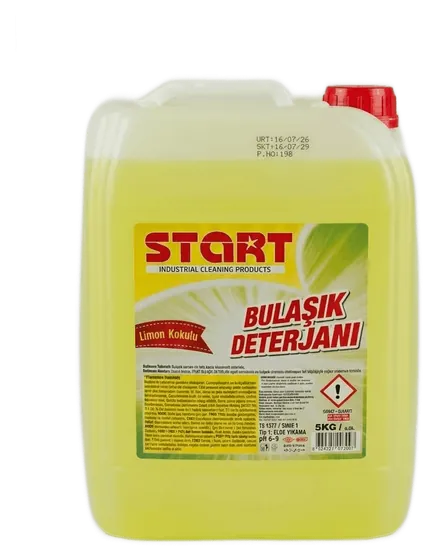
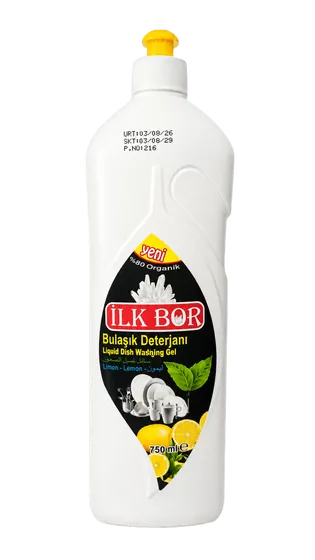
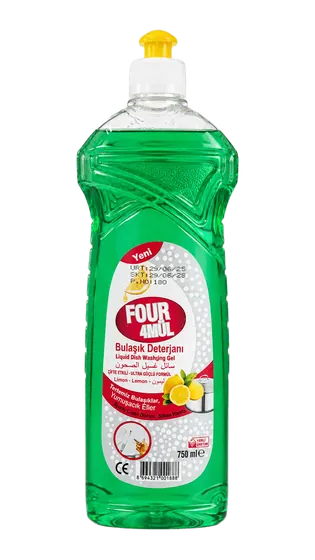
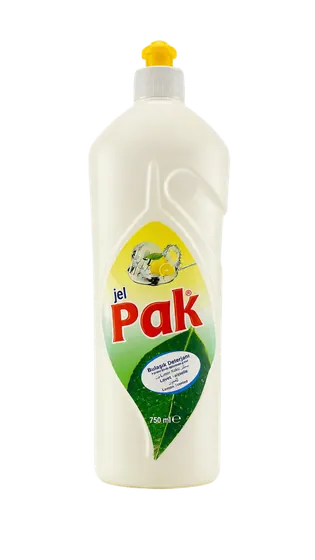
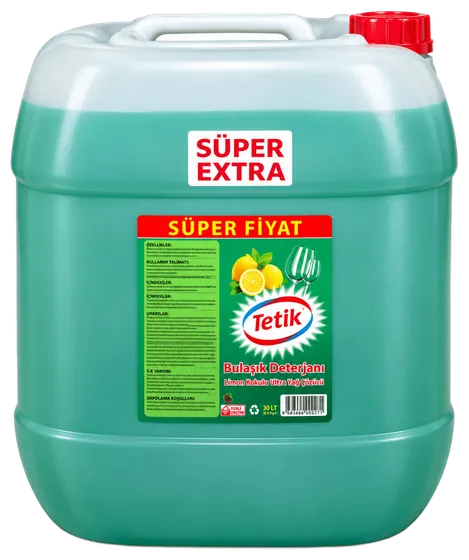
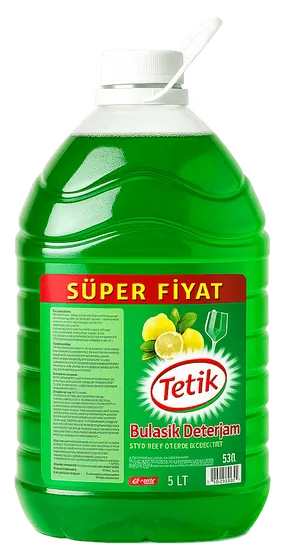
In professional kitchens, wooden spoons, spatulas and ladles are used frequently throughout the day; washing them by hand with dishwashing liquid after every use, drying them and setting aside cracked utensils keeps the kitchen orderly. Where food safety is required, follow your business's procedure. For kitchen cleaning products, see the guide restaurant cleaning supplies. TETİK Dishwashing Liquid is produced in 750 g, 5 kg, 20 kg and 30 kg packs and TETİK Gel in 200 g, 10 kg and 35 kg packs; for bulk purchases you can request a quote.