Guide · Cleaning for businesses ·
Restaurant Cleaning Supplies List
In restaurants and commercial kitchens, cleaning starts again every day with grease and food residues. The right products cover different needs, from dishes to hoods and from floors to toilets. This list sets out the cleaning supplies used in restaurants area by area, with tips for a daily cleaning routine.
Restaurant cleaning supplies by area
Dishwashing
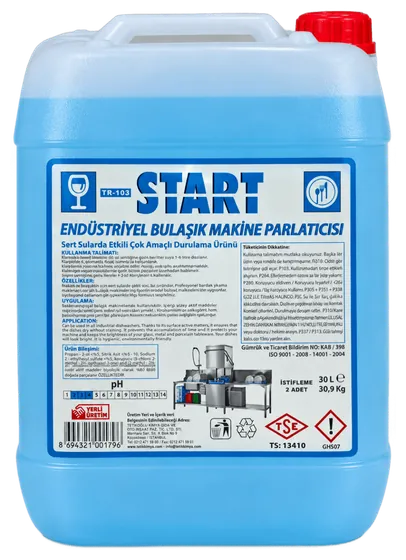
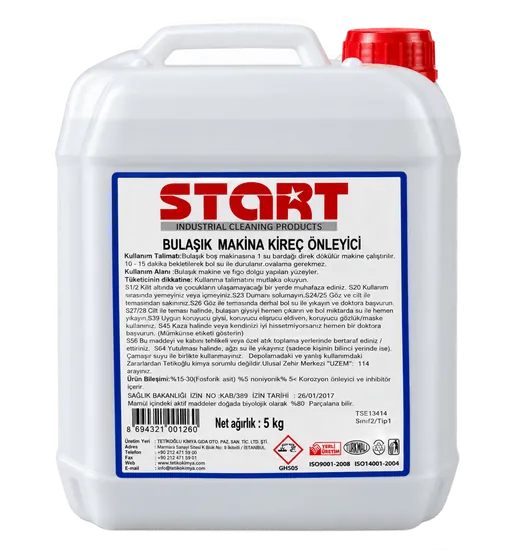
Where there is an industrial dishwasher, detergent, rinse aid and scale inhibitor are used together. We explain how in our guide industrial dishwasher detergent.
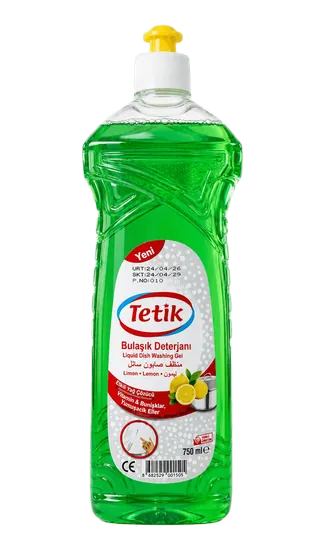
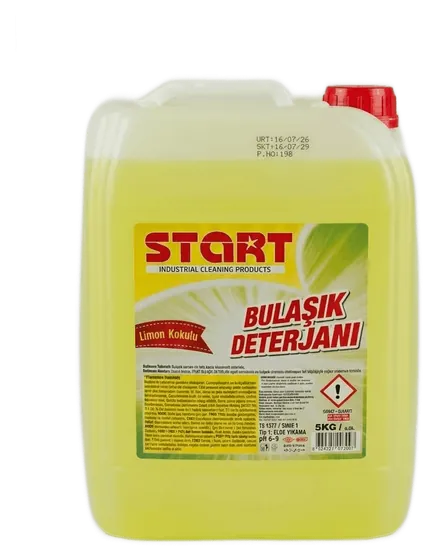
Dishwashing liquid for pots, pans and equipment washed by hand; for choosing large packs see our guide wholesale dishwashing liquid.
Cooking area
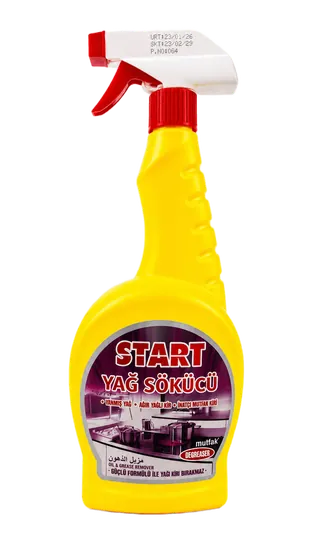
Degreaser for burnt-on grease on ovens, grills, hobs and hoods. Do not use it on aluminium, galvanised, painted or non-stick surfaces; details in how to use a degreaser.
Surface cleaner and stainless steel polish for worktops and stainless surfaces.
Kitchen floor
Surface cleaner on greasy floors; where a floor scrubber is used, a floor scrubber surface cleaner suited to the machine.
Dining room and display
Surface cleaner for tables and chairs, glass cleaner for display windows and glass doors.
Toilets and washbasins
Bathroom & toilet cleaner, liquid hand soap and bleach as directed on the label.
Drains and bin area
Enzyme odour remover for bad odours from kitchen drains, around the grease trap and in the bin area. See our guide how to get rid of drain odours.
Restaurant cleaning equipment
- Mop and wringer bucket: use separate mops for the kitchen and the dining room; do not use the greasy kitchen mop in the dining room.
- Colour-coded cloths: cloths in different colours for the toilets, the kitchen and the dining room reduce the spread of dirt from one area to another.
- Squeegee and floor brush: for pushing water on the kitchen floor towards the drain and scrubbing tile grout lines.
- Labelled spray bottles: use surface and glass cleaner in spray bottles that show the product name.
- Floor scrubber: in large kitchens and dining rooms, used with a surface cleaner suited to the machine.
- Gloves and safety goggles: when working with strong products such as degreaser and limescale remover.
- Wet floor sign: against slipping while the floor is being washed and while it dries.
Daily routine for commercial kitchen cleaning
- After every service: dishes, worktops and cutting areas; spills are wiped up straight away.
- End of the day: hobs and grills, kitchen floor, drain grates, toilets and dining room.
- Weekly: oven interiors, hood surfaces, cold room shelves and skirting areas.
- Put up a cleaning chart in the kitchen showing who does each job and with which product.
- For washing tablecloths and napkins: how to wash a tablecloth.
- For wine stains on tablecloths and napkins: how to remove wine stains.
- For cleaning chairs: how to clean chairs.
- For rattan furniture on terraces and in gardens: how to clean rattan.
- For sparkling service glasses and cutlery: how to make glasses sparkle, how to polish cutlery.
- For the order of dining-hall cleaning in institutional and factory canteens: how to clean a canteen.
- For chopping boards and kitchen bins: how to clean a chopping board, how to clean a bin.
- For barbecue grills in kebab houses and grill restaurants: how to clean a barbecue grill.
- For kitchen appliances such as meat grinders and food choppers: how to clean a meat grinder, how to clean a food chopper.
- For fryer baskets and pots in kitchens where frying is done: how to clean a deep fryer.
- For soy sauce stains on tablecloths in East Asian restaurants: how to remove soy sauce stains.
- For beer stains in bars and restaurants: how to remove beer stains.
- For washing cloth napkins in restaurants: how to wash cloth napkins.
- For opening and closing cleaning in cafés and coffee shops: how to clean a café.
- For display cabinet, oven and counter cleaning in bakeries: how to clean a bakery.
- For limescale in the dishwasher: how to use a dishwasher descaler.
- For where and how to buy detergent wholesale: where to buy wholesale detergent.
Points to watch in food areas
- Keep cleaning products on labelled shelves away from food and food stores; never transfer them into empty drink or food containers.
- After cleaning surfaces that come into contact with food, rinse with plenty of water as directed on the label.
- Do not mix products together; for details see our article can cleaning products be mixed.
- For what enzymatic cleaners are and how they work: what is an enzymatic cleaner.
- For industrial cleaning products by sector: what are industrial cleaning products.
Product set for restaurants: which product, which pack size?
- Dishwasher: START Liquid Dishwasher Detergent and START Liquid Dishwasher Rinse Aid 30 kg (Formül versions 20 kg); START Dishwasher Descaler / Limescale Inhibitor 5 and 30 kg.
- Hand dishwashing: TETİK Dishwashing Liquid 5, 20 and 30 kg; TETİK Gel Dishwashing Detergent 10 and 35 kg.
- Cooking area: START Degreaser 5, 20 and 30 kg; for stainless equipment, TETİK Stainless Steel Polish 5 kg.
- Floors and worktops: TETİK Surface Cleaner 20 and 30 kg; if you have a floor scrubber, START Floor Scrubber Surface Cleaner.
- Washbasins and toilets: TETİK Liquid Hand Soap 5, 20 and 30 kg; START Bathroom & Toilet Cleaner 5, 20 and 30 kg.
- Drain and bin area odours: TETİK Enzyme Odour Remover — Drains 5, 20 and 30 kg.
- Glass and display cases: START Glass Cleaner in the 5 kg canister and 1 L; for a spray bottle, START Glass Cleaner Spray.
- For choosing products by job and using them safely, see the commercial kitchen cleaning chemicals guide.
- Product codes and case quantities are on the product pages; add the products on this list to the quote form to ask for prices in one go.
Wholesale quotes for restaurants
Machine products, degreaser and dishwashing liquid are produced in 5–30 kg packs. You can see what your kitchen needs on the professional cleaning products page and request a bulk quote on the wholesale cleaning products page.