Guide ·
How to Use Dishwashing Liquid
Washing dishes by hand in the right order and with the right amount of detergent gives cleaner results and saves both product and water. Below are steps you can apply at home and in businesses.
Washing dishes by hand, step by step
- Scrape off leftovers: Scrape food leftovers from plates into the bin. Don't pour grease into the sink; it clogs the drain.
- Pre-soak: Leave pots and pans with stuck-on dirt to soak in warm water for a while.
- Prepare the wash water: Fill the sink or a bowl with warm water and add the amount of detergent stated on the pack. Alternatively, apply a small amount of detergent directly to a damp sponge.
- Wash from cleanest to dirtiest: First glasses, then cutlery, plates and finally greasy pots and pans.
- Rinse with plenty of water: Rinse each item under clean running water so no detergent residue remains.
- Dry: Let air-dry on a rack or dry with a clean cloth.
How much detergent should you use?
The right amount depends on the product's concentration and water hardness, so always follow the instructions on the pack. As a general rule, more detergent does not clean better; it only makes rinsing harder.
With tub gel, picking up a small amount from the tub with a damp sponge is usually enough.
Tips for tough dirt
Burnt and stuck-on dirt
Soak the pot in warm water with a little detergent, then clean with a non-scratch sponge. Don't use steel wool on non-stick coatings.
Greasy plastic containers
Plastic surfaces hold on to grease; wash with warm water and detergent and rinse thoroughly.
Extractor hood filters and oven trays
For heavy grease that dishwashing liquid can't handle, degreaser products can be used; read the pack instructions and wear gloves before use.
Advice for businesses
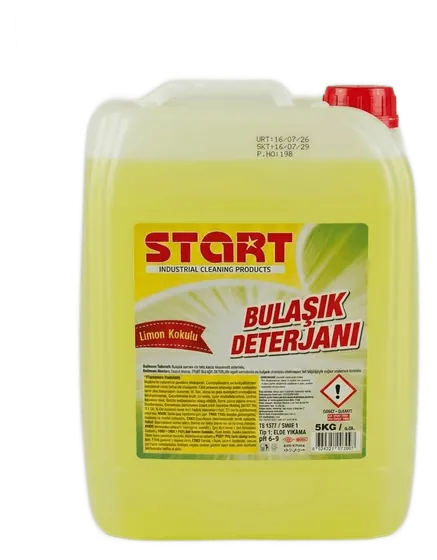
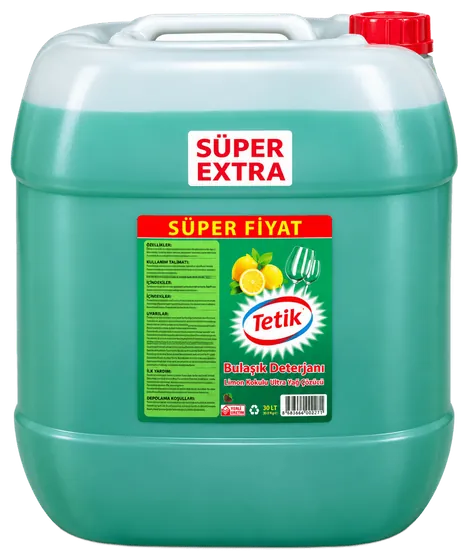
In high-use areas such as restaurants and canteens, large-pack detergents lower the unit cost. Using a dosing pump or measuring cup keeps consumption under control. In kitchens with industrial dishwashers, hand dishwashing liquid must not go into the machine; use machine detergent and rinse aid.
Related products
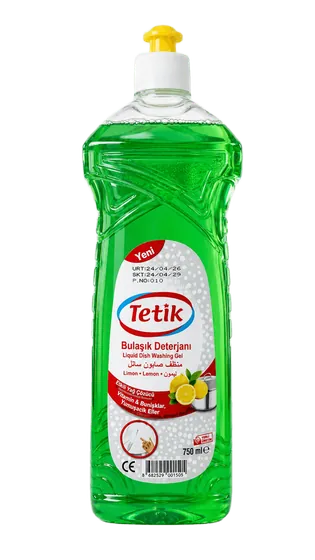
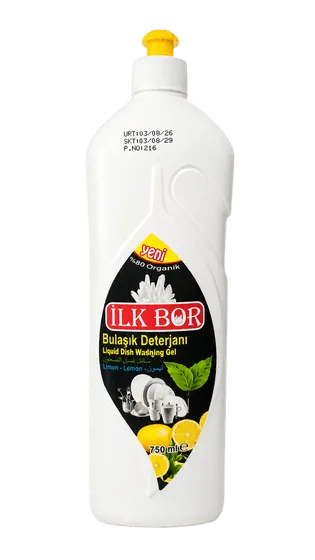
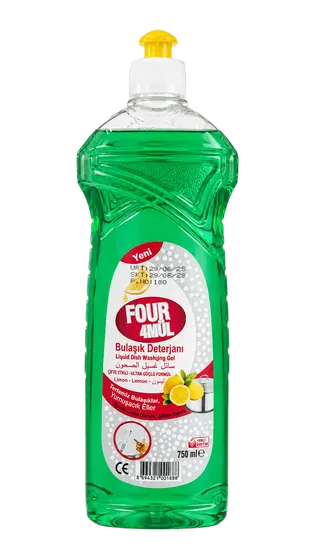
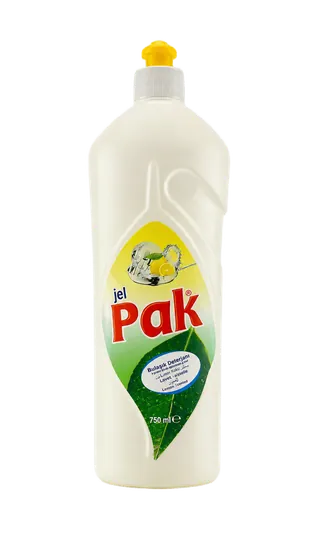
All pack sizes of TETİK, START, FOUR4MÜL, İLK BOR and JELPAK dishwashing liquids are on the dishwashing liquids page. If you're curious how dishwashing liquid works, read our article what is dishwashing liquid.