Guide · Kitchen and dishes ·
How to Clean a Pot Lid
Grease condensed by steam builds up on the inside of a pot lid, spilled food on its edge and sticky dirt around the handle; on glass lids, the line between the glass and the metal rim is the hardest place to clean. Because the lid is in contact with food, it is cleaned with dishwashing liquid and rinsed thoroughly. This guide explains how to clean glass and steel pot lids, the handle and the steam vent, and what to do with greasy and burnt lids. For the pot itself, see the guide how to clean a burnt pot.
How to clean a pot lid: step by step
- Let it cool: let the lid cool after taking it off the hob; do not put a hot glass lid in cold water.
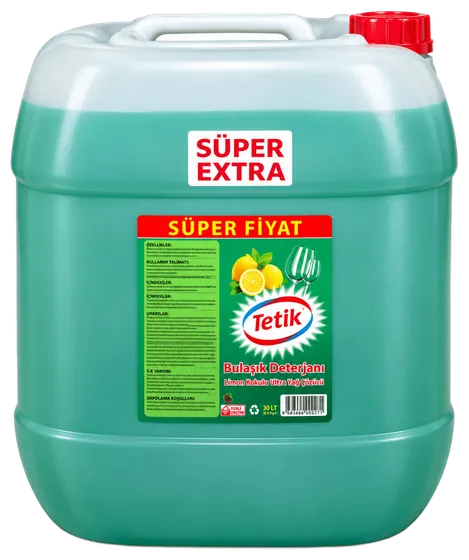
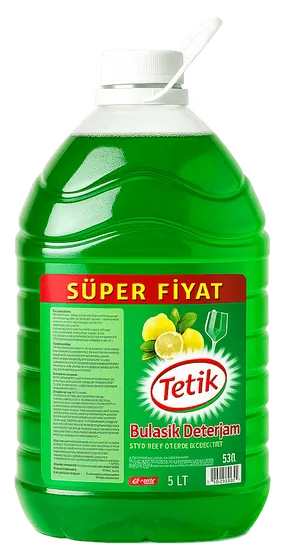
- Wash with dishwashing liquid: add a little TETİK dishwashing liquid to lukewarm water or the sponge and scrub both sides of the lid with the soft side of the sponge.
- Brush the rim and handle: remove dirt on the edge of the lid and around the handle with a soft dish brush.
- Rinse: rinse the lid under running water until no detergent remains.
- Dry it upside down: dry the lid with a cloth and leave it upside down or upright to dry so water does not collect in the rim.
How to clean a glass pot lid
On glass lids, grease and water collect in the line between the glass and the metal or silicone rim. Brush this line with a soft dish brush or an old toothbrush using lukewarm soapy water and rinse thoroughly. If water has got into the rim, turn the lid upside down, let the water drain out and dry it completely. For dirt that has worked in between the glass and the rim and will not come out, check the manufacturer's recommendation. Do not use steel wool or abrasive powder on glass; the glass scratches. Do not put a hot glass lid in cold water or on a cold worktop; a sudden change in temperature can crack the glass.
Greasy pot lids
During frying and sautéing, a thin, sticky layer of grease forms on the inside of the lid. On this layer, a small amount of TETİK gel dish detergent can be applied to the sponge or directly to the greasy surface; leave it briefly, scrub with a soft sponge and rinse thoroughly. Degreaser is not recommended for pots and lids. For greasy pans, see the guide how to clean a frying pan.
How to clean a burnt pot lid
Food that boils over can burn on the edge and inside of the lid and leave brown marks. Leave the lid in lukewarm soapy water for a while, remove the softened residue with a plastic spatula or the soft side of a sponge and repeat if necessary. On steel lids, the rough side of the sponge can be used for stubborn residue; do not use steel wool or rough sponges on glass and coated lids. We do not recommend home mixtures such as vinegar and baking soda or boiling methods. Burn marks may not come out fully; for the base of the pot, see the guide how to clean a burnt pot.
Handle, steam vent and seal
- Remove dirt that builds up around the handle with a soft brush; if the handle screw has loosened, tighten it according to the manufacturer's instructions.
- If the handle is removable, take it off and clean it only as described in the manual, then refit it.
- Remove residue from the steam vent with a thin brush; do not insert sharp metal into the vent.
- On lids with a silicone rim or seal, remove the seal as the manufacturer allows, wash it with dishwashing liquid and refit it once dry.
- For pressure cooker lids and seals: how to clean a pressure cooker.
- For using gel dish detergent: how to use gel dish detergent.
What not to do
- Putting a hot glass lid in cold water.
- Using steel wool and abrasive powder on glass and coated lids.
- Using degreaser on a pot lid.
- Putting the lid away with water collected in its rim.
- Inserting sharp metal into the steam vent.
For restaurants and canteens
In professional kitchens, pot and boiler lids are in contact with steam and grease all day; washing them with dishwashing liquid after every use, rinsing them and setting them upside down so the rims dry keeps the kitchen orderly. For lids washed in an industrial dishwasher, follow the machine and lid manufacturers' recommendations. Where food safety is required, follow your business's procedure. For kitchen cleaning products, see the guide restaurant cleaning supplies. TETİK Dishwashing Liquid is produced in 750 g, 5 kg, 20 kg and 30 kg packs and TETİK Gel in 200 g, 10 kg and 35 kg packs; for bulk purchases you can request a quote.