Guide · Kitchen and dishes
Is Dishwashing Liquid Harmful? Effects on Hands, Eyes and Health, and Detergent Left on Dishes
Dishwashing liquid is made for washing plates, glasses, pots and cutlery by hand. Used at the dose on its label and for this job, it does what it is meant to do; that does not mean it is harmless. It must not get into the eyes, it can dry the hands with frequent and prolonged contact, and it is not for drinking; if not rinsed off well, it leaves residue on the dishes. Dishwasher detergent, by contrast, is a separate product and is not used by hand. In this guide, as the manufacturer, we explain how dishwashing liquid affects the hands, eyes and health, as well as detergent left on dishes, dishwasher detergent and the rules of use that reduce the risk.
Is dishwashing liquid harmful?
Most problems with dishwashing liquid come not from the product itself but from the way it is used: the product getting into the eyes, working for a long time without gloves in hot soapy water, dishes not being rinsed well, the product being used for other jobs or mixed with other products, and the product being left where children can reach it. Health risks, too, mostly come from eye contact, swallowing and prolonged skin contact.
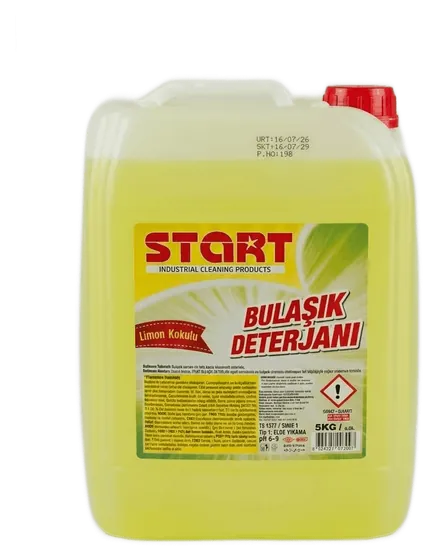
In the safety data sheet (SDS) for START Dishwashing Liquid, one of our products, the signal word is “Warning”, the pictogram is GHS07 and the hazard statement is H319: causes serious eye irritation. The same sheet gives the product's pH as 5–9. This classification applies to the product as it is in its packaging. For other dishwashing liquids, read the warnings on each product's own label.
We explain what dishwashing liquid is and how it dissolves grease in the guide what is dishwashing liquid.
- Eyes: if it gets into the eyes, it can cause serious irritation; this is what hazard statement H319 in the START Dishwashing Liquid SDS describes.
- Skin: with frequent and prolonged contact, especially with hot water, it can dry the hands.
- Swallowing: it is not for drinking; its colourful bottle and its smell can catch children's interest.
- Residue: dishes that are not rinsed well are left with a slippery feel, a smell and foam.
- Wrong product: dishwasher detergent is not used for washing dishes by hand, and hand dishwashing liquid is not used in a dishwasher.
- Mixing: it must not be mixed with bleach or other cleaning products.
Does dishwashing liquid damage hands and skin?
Dishwashing liquid is made to dissolve grease. With frequent and prolonged contact, especially with hot water and in kitchens where dishes are washed all day, it can dry the hands; on sensitive skin, complaints such as redness or itching may occur.
Only a doctor can decide whether a complaint is caused by dishwashing liquid and whether it is an allergy. This guide does not give medical diagnosis or treatment information; the steps below are about how the product is used.
- Wear gloves: use dishwashing gloves for long washing-up sessions, in very hot water and if you have sensitive skin; replace gloves that are punctured or wet inside.
- Don't exceed the dose: put the amount of detergent shown on the label on the sponge or in the washing water; more does not wash cleaner and makes rinsing take longer.
- Water temperature: lukewarm water helps grease dissolve; very hot water can dry the skin.
- Rinse: when you have finished the dishes, rinse your hands with plenty of water and dry them.
- Don't use it instead of hand soap: for everyday hand washing, use liquid hand soap or hand cleaning liquid; dishwashing liquid is for dishes.
- If problems occur: if dryness, redness or itching persists, reduce contact with the product, wear gloves and consult a doctor.
What should you do if dishwashing liquid gets into the eyes or is swallowed?
If dishwashing liquid gets into the eyes, it irritates them; according to hazard statement H319 in the START Dishwashing Liquid safety data sheet, the product causes serious eye irritation. In case of accidental contact, follow these steps:
- If it gets in the eyes: do not rub the eye; rinse carefully with plenty of water for several minutes, remove contact lenses if present and easy to do, and continue rinsing; if eye irritation persists, get medical help.
- If swallowed: do not induce vomiting, rinse the mouth with water; follow the first aid instructions on the label and call a poison centre (in Turkey: UZEM, 114).
- If it gets on the skin: rinse with plenty of water; change any clothing the product has got onto.
- If a child has swallowed it: even if the amount seems small, call a poison centre (in Turkey: UZEM, 114) and keep the product's packaging with you.
- If a pet has licked it: if you see vomiting, drooling or lethargy, consult a veterinarian.
- When you contact a doctor or UZEM, read the product's name and the warnings on its label from the packaging.
Is detergent left on dishes harmful?
Dishwashing liquid is used to remove grease and food residue together with the water; the job is finished when the dishes are rinsed with plenty of clean water. Detergent is not made to be drunk or consumed with food; that is why no detergent should remain on a rinsed plate, glass or spoon.
Residue mostly comes from using too much detergent, rinsing in the washing water and rinsing in a hurry. The following signs show that the dishes need to be rinsed again:
- Slipperiness: if a rinsed plate or glass slips in your hand, detergent has been left on it.
- Foam, smell and taste: if foam remains in a glass, a detergent smell on a plate or a detergent taste in a drink, the rinsing was not enough.
- Separate rinse: rinse under clean running water or in a separate sink bowl, not in the washing water.
- Plastic containers: plastic storage containers hold on to grease and smells; rinse them thoroughly with lukewarm water.
- Baby bottles and pet bowls: take extra care when rinsing baby items and pets' food and water bowls; the steps are in the guides how to clean baby bottles and how to clean pet food bowls.
- The steps for washing and rinsing by hand are in the guide how to use dishwashing liquid.
Are dishwasher and industrial dishwashing detergents harmful?
Dishwasher detergent is a different product from hand dishwashing liquid. Dishwasher detergents are usually strongly alkaline and are made for use inside the machine, in a closed wash cycle. They are not used for washing dishes by hand; used by hand, they can irritate the skin and leave residue on the dishes.
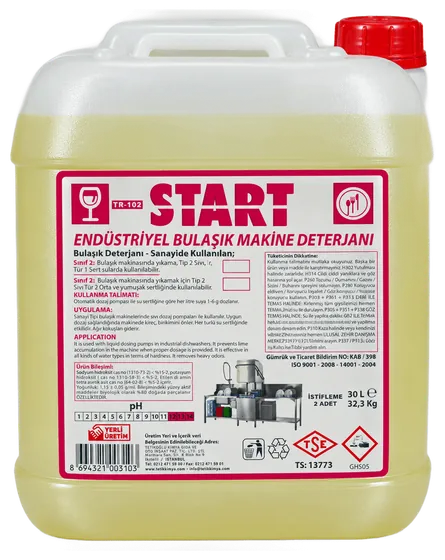
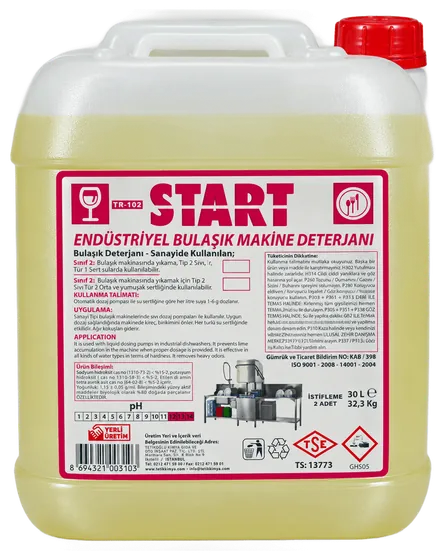
Our label describes START Liquid Dishwasher Detergent, one of our products, as an industrial dishwasher detergent; it is used in industrial dishwashers with a liquid dosing pump, and its label carries a warning not to mix it with any other product or substance. Read the warnings and first aid instructions for a dishwasher detergent on the product's own label.
- Gloves and goggles: wear gloves and safety goggles when changing canisters and when handling the product.
- Don't pour it by hand: in an industrial machine, the detergent is drawn from the canister through a suction hose connected to the pump; check on the label that the hose is fitted to the right canister.
- Don't mix: do not mix dishwasher detergent with rinse aid, limescale remover or bleach; limescale remover is an acidic product.
- Don't put hand dishwashing liquid in the machine: it produces too much foam, the foam overflows and the machine may stop (why does a dishwasher foam).
- A large pack does not mean dishwasher detergent: hand dishwashing liquid also comes in 20 and 30 kg canisters; if “Dishwasher” (Turkish: “makine”) does not appear in the product name, the product is for washing by hand.
- What to do if dishwasher detergent gets on the hands or into the eyes is explained in the guide where else can dishwasher detergent be used.
Rules for using dishwashing liquid that reduce harm
- Read the label: take the dose and warnings from the label of the product you are using; read the label again whenever you change product or pack.
- Use it on its own: do not mix dishwashing liquid with bleach, limescale remover or other cleaning products, and do not put them in the same container or bottle (can cleaning products be mixed).
- Do not use it for other purposes: dishwashing liquid is not used for laundry (wash clothes with dish soap), on glass and mirrors (clean windows with dish soap), on car paint or for washing the body.
- Store it properly: keep it in its original packaging, closed and upright, out of the reach of children and pets; do not transfer it to a drinks bottle or an unlabelled container.
- When decanting: when transferring from a large pack, use a clean, dry, labelled dispenser or pump bottle.
- Wipe up spills: wipe up detergent spilled on the floor or worktop straight away and rinse the spot with water; a floor with detergent on it is slippery.
Our dishwashing liquids and safety information
- START Dishwashing Liquid: 5 kg (4 per case). According to the SDS: signal word “Warning”, pictogram GHS07, hazard statement H319; pH 5–9. A summary of the sheet is on the START Dishwashing Liquid safety data sheet page.
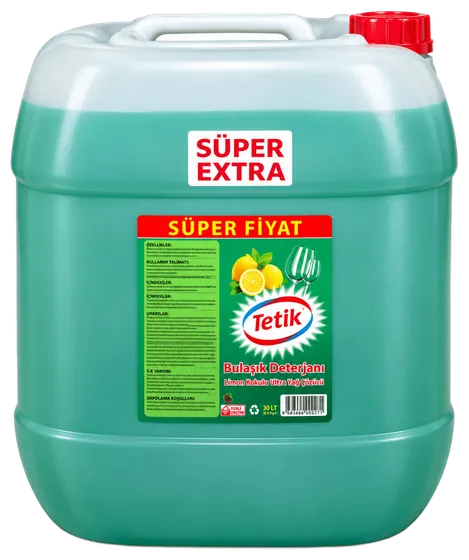
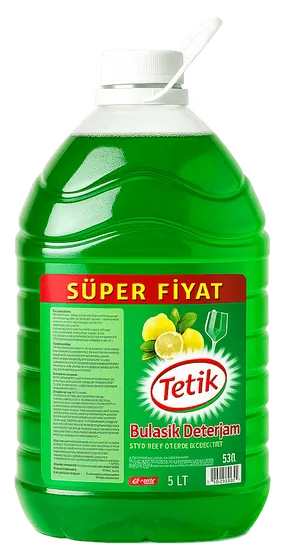
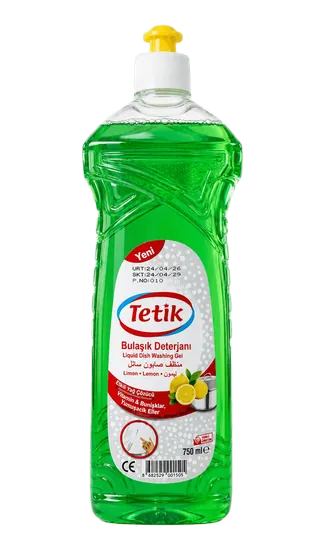
- TETİK Dishwashing Liquid: 750 g (16 per case), 5 kg (4 per case), 20 kg and 30 kg (sold singly).
- TETİK Dishwashing Liquid — Extra: 30 kg (sold singly).
- TETİK Dishwashing Liquid (PET packaging): 5 kg PET canister (4 per case).
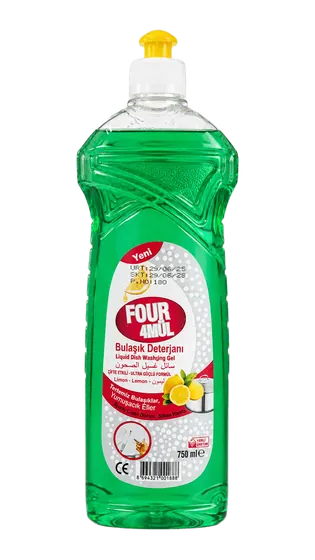
- FOUR4MÜL Dishwashing Liquid: 750 ml (16 per case).
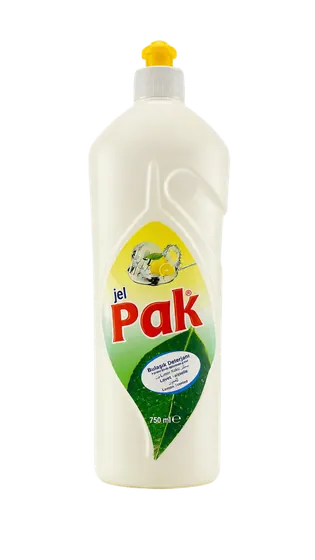
- JELPAK Dishwashing Liquid: 750 ml (16 per case).
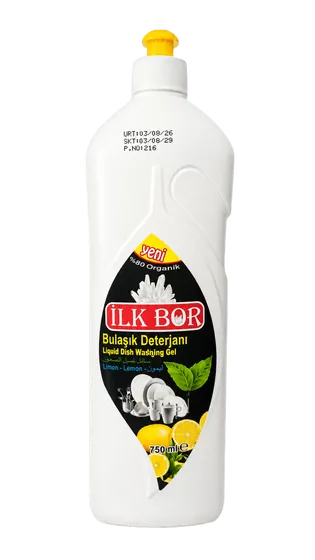
- İLK BOR Dishwashing Liquid: 750 ml (12 per case).
- TETİK Gel Dishwashing Detergent: 200 g tub (32 per case), 10 kg and 35 kg (sold singly).
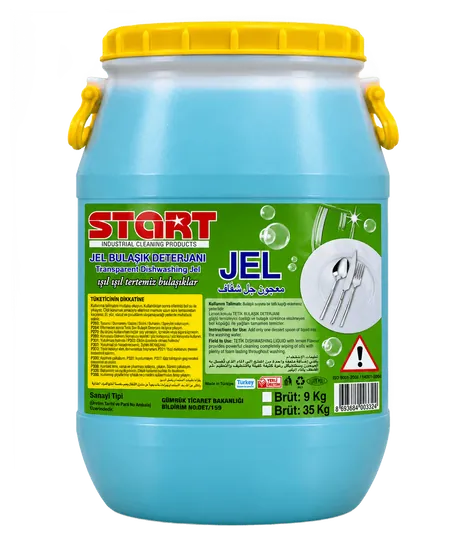
- START Gel Dishwashing Detergent: 35 KG (sold individually).
- START Liquid Dishwasher Detergent: 30 KG (sold singly); for industrial dishwashers only.
- START Liquid Dishwasher Detergent — Formül: 20 KG (by the unit, yellow).
- The instructions for use and the warnings are written on each product's label. Product codes are on the dishwashing liquids and industrial dishwasher products pages; for bulk purchases you can request a quote.