Guide · Product information and safe use ·
How to Use Dishwasher Detergent
Dishwasher detergent comes as powder, gel, liquid or tablets; all of them go into the dispenser on the machine door and are released into the water by the machine once the programme has started. The wrong compartment, too much detergent, washing-up liquid or a damp tablet are the most common mistakes. This guide explains where the detergent goes in a household machine, how each type is used and what salt and rinse aid do; for the industrial machines used in businesses we have a separate guide.
Types of dishwasher detergent
- Powder: Because it can be measured, it can be adjusted to a lightly or heavily soiled load; it clumps in damp places, so keep the box closed and dry.
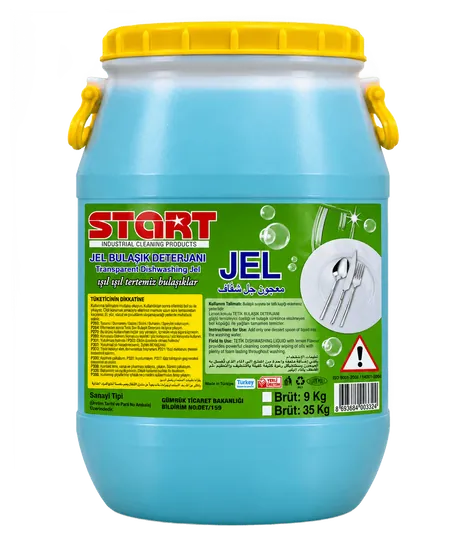
- Gel and liquid: Dissolves in water at once; in short, low-temperature programmes it gives more reliable results than a tablet. It is poured into the dispenser and the lid is closed.
- Tablet: Gives the same dose every wash; most tablets combine detergent, rinse aid and salt function. In short programmes and cold water it may not dissolve completely.
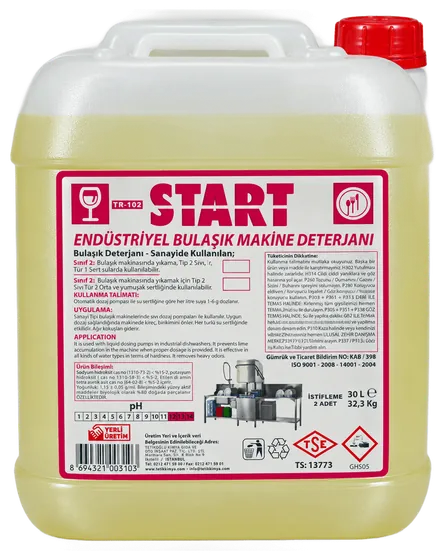
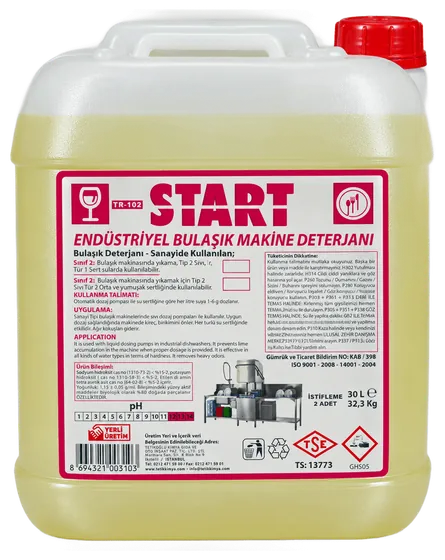
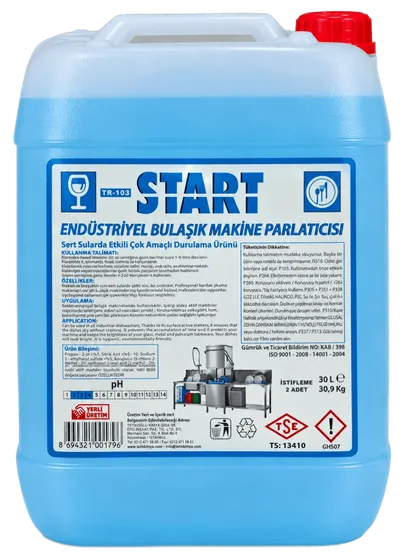
- Industrial liquid detergent: In restaurant and hotel machines it is dosed automatically by a pump; it is not used in household machines. Details are in the how to use industrial dishwasher detergent guide.
Where does dishwasher detergent go?
The detergent goes into the lidded dispenser on the inside of the machine door. This dispenser opens at a set point in the programme and releases the detergent into hot water; that is why throwing the detergent into the rack, onto the machine floor or into the cutlery basket is wrong. Next to the dispenser there is usually a small pre-wash compartment; for very dirty loads a little powder can go there. The rinse aid has its own reservoir, also inside the door, while the salt is poured into the lidded container in the base of the machine. The three containers are not interchangeable; putting detergent into the salt container damages the machine.
How to use it, step by step
- Prepare the load: Scrape coarse leftovers off the plates into the bin; load the dishes without washing them by hand first, so there is dirt for the detergent to work on.
- Check the dispenser: The detergent dispenser must be dry and empty; a wet dispenser clumps the powder, and leftover gel stops the lid from opening.
- Add the detergent: Put powder or gel in the amount on the label, or one tablet, into the dispenser; close the lid until it clicks.
- Choose the programme: For normal soiling the standard programme is enough; use the intensive programme for pots and burnt-on food and the eco programme for lightly soiled loads.
- Leave the door ajar: When the programme ends, open the door a little; let the steam out and let the dishes dry with their own heat.
How is liquid dishwasher detergent used?
Liquid and gel detergent is poured into the dispenser with the measuring cup or cap of its pack, and the dispenser lid is closed. Because gel disperses quickly in water, it is preferred for short, low-temperature programmes and for machines that do not dissolve tablets. Gel that overflows the dispenser can dry on the edge and glue the lid shut; wipe any overflow with a damp cloth. Increasing the dose does not clean better; too much gel foams, leaves residue in the rinse water and triggers a foam error on some machines. Close the gel bottle after use and store it upright.
How to use dishwasher gel: programme, dispenser and storage
- In short and eco programmes: Because gel disperses in water at once, it is the most reliable detergent for short, eco and low-temperature programmes; switching to gel solves the residue problem in programmes where tablets do not fully dissolve.
- Filling the dispenser: Gel is poured straight into the detergent dispenser with the bottle cap or measuring cup; the dispenser must be dry and its lid closed until it clicks. Gel is not put in the pre-wash compartment; that compartment is for powder.
- Overflowing gel: Gel that runs over the edge of the dispenser dries and glues the lid shut, so the dispenser does not open in the next wash; wipe the overflow with a damp cloth at once.
- Salt and rinse aid: Gel mostly contains no salt or rinse aid function; keep the salt reservoir and rinse aid compartment filled separately and top up when the warning light comes on.
- Greasy loads and burnt-on dirt: On very greasy pans and burnt-on dirt gel alone may not be enough; choose the intensive programme and scrape off coarse leftovers beforehand.
- Storage: The bottle is closed after use and kept upright in a cool place; gel left with the cap open dries out and the measuring hole clogs. Frozen or separated gel is not used.
How to use tablets
A tablet goes into the dispenser together with its water-soluble film; if there is a film it is not torn, and the tablet is not handled with wet hands, because moisture dissolves the film and sticks the tablet to the dispenser. One tablet is for one wash; if half a dose is wanted, powder is the better choice. If a tablet is left undissolved in the dispenser or on the machine floor after the wash, check the causes in turn: the dispenser lid may have been blocked by a tall item in the rack, a short or cold programme may not have been enough to dissolve it, or the tablet may have absorbed moisture and hardened. The fixes for these cases are explained in the why does a dishwasher not clean properly guide.
When does the dishwasher take the detergent? The programme sequence
When the programme starts, the machine first runs a pre-wash; during this stage the detergent dispenser stays closed and only the powder in the pre-wash compartment mixes into the water. In the main wash the water heats up and the dispenser lid opens to release the detergent; this is why detergent placed outside the dispenser washes away with the pre-wash water and none is left for the main wash. During rinsing a small amount of rinse aid is drawn from its compartment, while salt is used independently of the wash to regenerate the machine's water softener. If detergent is still in the dispenser at the end, the lid did not open; check whether tall items in the rack blocked it and check the programme length. In short programmes the dispenser opens earlier and the water heats less; gel or powder works better there, tablets in long, hot programmes.
What do salt and rinse aid do?
- Dishwasher salt: Regenerates the machine's water softener; in hard water it preserves the detergent's effect and reduces limescale. Table salt is not used; the salt container is in the base of the machine and is filled when the warning light comes on.
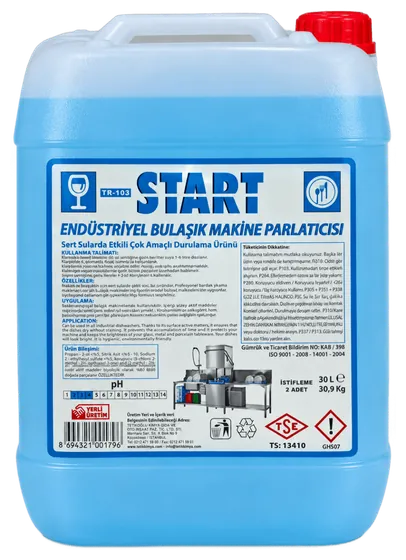
- Rinse aid: Makes the rinse water run off glasses without leaving drop marks; it is filled into its own reservoir inside the door, and the machine takes a small amount every wash.
- Multi-function tablets: Even if they include salt and rinse aid function, using salt separately in hard-water areas protects the machine from limescale; set the water hardness as described in the machine manual.
- To clean a scaled-up machine, see how to use dishwasher descaler; for general interior cleaning, see the how to clean a dishwasher guide.
Common mistakes
- Using washing-up liquid: Hand-washing liquid foams excessively in the machine, overflows and confuses the sensors; only dishwasher detergent is used in the machine. For the reasons, see the what is dishwashing liquid guide.
- Throwing the detergent into the rack: Detergent placed outside the dispenser is washed away at once by the pre-wash water, and none is left for the main wash.
- Too much detergent: More detergent does not mean cleaner dishes; it causes residue, cloudy glasses and foam errors.
- Storing in a damp place: In damp places such as under the sink, powder clumps and tablets soften; keep the pack closed in a dry, cool place.
- Leaving the dispenser wet: If water splashes into the dispenser while loading, the detergent stays stuck in the lid; dry the dispenser before adding the detergent.
Industrial machine detergent for businesses
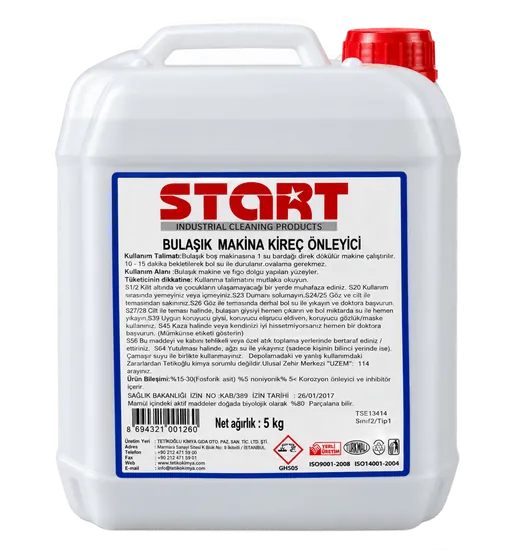
Restaurant, hotel and canteen machines run short cycles and take their detergent from an automatic dosing pump; household powder or tablets are not used in them. Industrial liquid detergent, rinse aid and descaling preventer are used together; the products are in the industrial dishwasher products category and the steps are in the how to use industrial dishwasher detergent guide. For bulk purchasing and quotes, see the wholesale cleaning products page.