Guide · Kitchen and dishes ·
How to Clean a Turkish Coffee Pot (Cezve)
Turkish coffee brewed in a cezve leaves a thin coffee residue inside and at the bottom of the pot; when the coffee boils over or is forgotten on the hob, the bottom burns and the outside darkens. Because the cezve is in direct contact with coffee, its inside is washed only with dishwashing liquid and rinsed with plenty of water; on the outside, a non-abrasive method suited to the pot's material is chosen. This guide explains how to clean the inside, bottom and outside of a cezve, what to do with a burnt, darkened or limescaled pot and what to watch out for with steel, copper, aluminium and enamel pots.
First, find out what the pot is made of
- Stainless steel pot: it is durable; it is washed with dishwashing liquid and a soft sponge.
- Copper pot: the inside is usually tin-lined; a tinned surface does not withstand abrasives.
- Aluminium pot: alkaline products and bleach darken and corrode aluminium.
- Enamel and porcelain pots: enamel can crack with sudden temperature changes and knocks, and is scratched by hard scourers.
How to clean a Turkish coffee pot: everyday washing
- After pouring the coffee, leave the pot to cool; do not pour cold water into a hot pot.
- Empty the grounds and swirl the pot with lukewarm water; grounds come out before they dry.
- Wash the inside and outside of the pot with lukewarm water, dishwashing liquid and a soft sponge.
- Clean the joint between the handle and the body and the spout with a small brush.
- Rinse the pot with plenty of water and dry it straight away; a pot left wet gets water spots and limescale marks.
How to clean the inside of a Turkish coffee pot
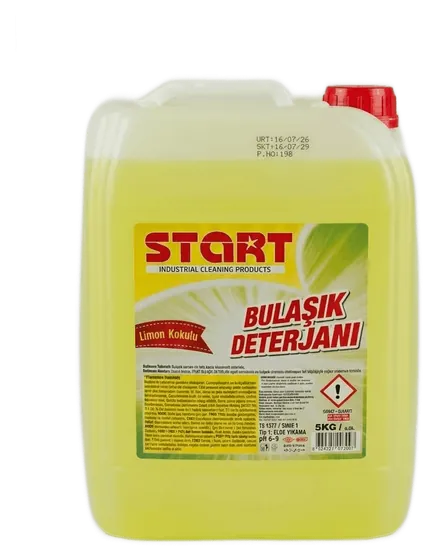
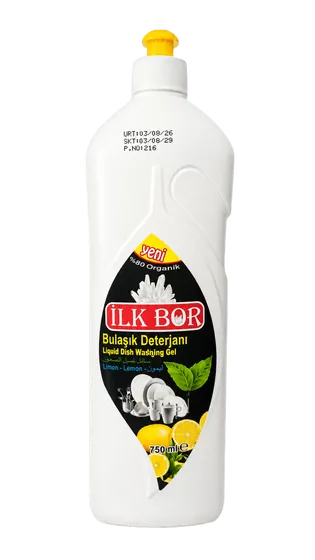
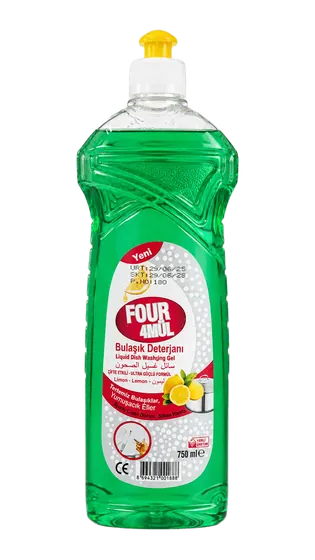
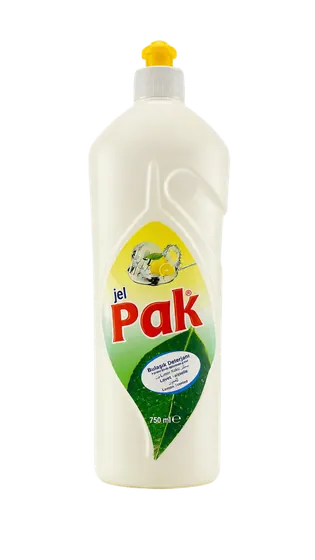
Over time a dark coffee residue builds up inside the pot and at the bottom. Fill the pot with lukewarm water and a little dishwashing liquid and leave it for a while; once the residue has softened, remove it with a soft sponge or a bottle brush. For stubborn residue, apply a small amount of gel dish detergent, leave it briefly and rub with a soft sponge. Reach the edges of the bottom with a brush and rinse the pot with plenty of water until no detergent remains.
How to clean a burnt Turkish coffee pot
- Let it cool: take the burnt pot off the hob and leave it to cool completely.
- Soak it: fill the pot with lukewarm water, add dishwashing liquid and leave it for a few hours until the burn softens.
- Lift off what has softened: scrape off the softened burnt layer with a plastic or wooden spatula.
- Rub with gel: apply gel dish detergent to the remaining burn, leave it briefly and rub with a sponge suited to the pot's material.
- Repeat: for a stubborn burn, repeat the soaking and rubbing; for details see the guide how to clean a burnt pot.
Darkened coffee pots
- Stainless steel pot: remove the soot and grease darkening left by the hob flame by soaking with dishwashing liquid and wiping with a soft sponge. The rainbow-coloured marks caused by heat are a change in the steel's colour and may not wash off (how to clean stainless steel).
- Copper pot: the darkening on the outside of copper is natural oxidation caused by air. We do not have a product for copper; use the care method recommended by the manufacturer for the copper surface and do not apply polishes to the inside of the pot.
- Aluminium pot: do not use degreaser, alkaline products or bleach on darkened aluminium; wash it with dishwashing liquid and a soft sponge.
How to clean a copper Turkish coffee pot
The inside of a copper pot is washed with lukewarm water, dishwashing liquid and a soft sponge. Do not use steel wool, metal scrapers or abrasive cream on the tin-lined inside; the tin wears away. If the tin lining has worn and the copper colour shows through on the inside, have the pot re-tinned by a tinsmith. Do not put a copper pot in the dishwasher; dry it straight after washing and store it in a dry place. For darkening on the outside, follow only the care method recommended by the copper manufacturer.
Limescale in a Turkish coffee pot
In hard-water areas, white limescale marks can form inside and at the bottom of the pot. Our limescale and rust remover is only for ceramic surfaces and shower glass; do not use limescale remover, hydrochloric acid or acidic surface products such as bathroom cleaners in the pot or in containers that touch food. For limescale in the pot, use a descaler recommended by the pot's manufacturer that is suitable for food-contact surfaces, then rinse the pot several times with plenty of water. Washing and drying the pot after every use slows limescale build-up. For kettles and teapots, see the guide how to clean a teapot.
Electric coffee pots and Turkish coffee machines
In electric coffee pots and Turkish coffee machines, the body, base and electrical parts are not immersed in water. Wash the removable pot with lukewarm water and dishwashing liquid according to the manufacturer's instructions; wipe the base and exterior with a damp cloth while unplugged. For details, see the guide how to clean a coffee machine.
What not to do
- Pouring cold water into a hot pot: enamel can crack and the pot's base can warp.
- Using steel wool, metal scrapers or abrasive cream on tin-lined copper and enamel pots.
- Using limescale remover, hydrochloric acid or bathroom cleaner in the pot.
- Using degreaser, alkaline products or bleach on an aluminium pot.
- Putting copper pots and pots with wooden handles in the dishwasher.
- Mixing different cleaning products (can cleaning products be mixed).
For cafés and coffee houses
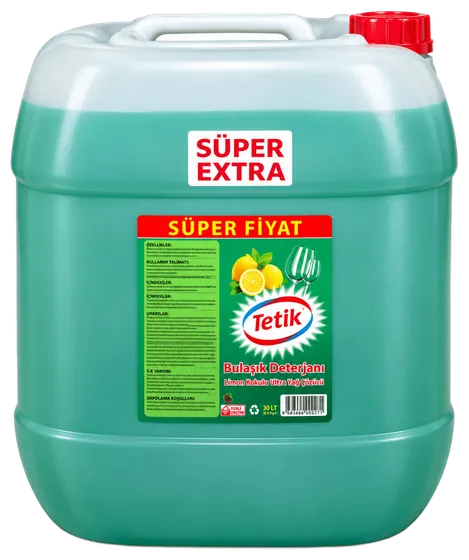
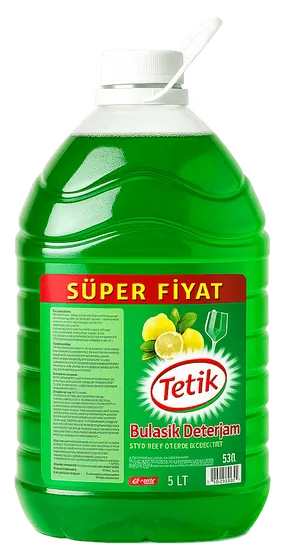
In cafés, coffee houses and hotel restaurants, coffee pots are used all day; emptying the grounds after every use and washing and drying the pot in warm soapy water prevents residue and burns from building up. TETİK Dishwashing Liquid is produced in 750 g, 5 kg, 20 kg and 30 kg packs and TETİK Gel in 200 g, 10 kg and 35 kg. For a product list, see the guide restaurant cleaning supplies, and for bulk purchases you can request a quote.