Guide · Kitchen and dishes ·
How to Clean a Pressure Cooker
In a pressure cooker, food residue sticks to the inside of the lid, to the groove that holds the seal and around the valve the steam comes out of; if the valve opening clogs, the cooker does not work properly. Because the body, lid and seal of a pressure cooker touch food, they are washed with dishwashing liquid; the valves, however, are only taken apart as described in the user manual. This guide explains how to clean the body, lid, seal and valve of a pressure cooker. For burnt residue, see the guide how to clean a burnt pot.
Before you start
- Wait for the pressure to drop: do not force or open the lid until the cooker has cooled completely and the pressure has dropped.
- Check the manual: the user manual explains how to remove the seal, valve and whistle and which parts can go in the dishwasher.
- Leave the safety valve alone: unless the manual allows it, do not remove the safety valve or change its setting.
- Keep the parts together: put the small parts you remove into a bowl.
How to clean a pressure cooker: step by step
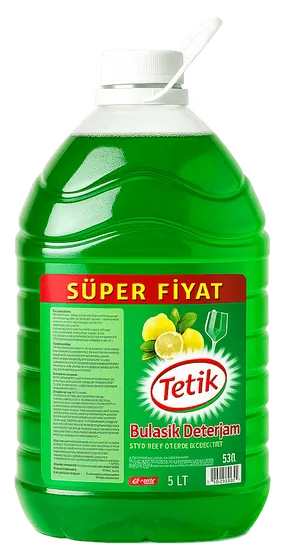
- Empty the cooker and wash the body with lukewarm water and a little TETİK dishwashing liquid using a soft sponge.
- Remove the seal from the lid; clean the inside of the lid and the seal groove with a soft brush.
- For glass and steel lids of ordinary pots: how to clean a pot lid.
- Remove the valve and whistle as described in the manual and wash them in lukewarm soapy water.
- Rinse all the parts with plenty of water and dry them.
- Refit the seal and valve only once they are completely dry; store the lid upside down on top of the cooker.
How to clean a pressure cooker seal
Remove the pressure cooker seal from the lid after every use and wash it by hand with lukewarm water and a little dishwashing liquid using a soft sponge; also remove food residue from the inner edge that faces the groove. Rinse the seal with plenty of water, dry it and refit it only once it is completely dry. Do not twist the seal to wring it, do not scrape it with a sharp tool and do not put it in the dishwasher unless the manufacturer allows it. A seal that is cracked, hardened, misshapen or lets steam escape cannot be restored by cleaning; use the manufacturer's replacement seal.
Pressure cooker valve and whistle
- Remove the operating valve (whistle) as described in the manual and wash it in lukewarm soapy water.
- Wash the steam outlet in the lid under running water and hold the lid up to the light to check that it is clear.
- Do not try to clear a blocked opening with a needle, knife or other sharp metal tool; follow the method recommended by the manufacturer.
- Do not interfere with the safety valve beyond what the manual allows.
- If one of the valves sticks, leaks steam or does not work, do not use the cooker and contact authorised service.
Burnt and discoloured pressure cookers
Fill a pressure cooker with a burnt bottom with lukewarm water, add a little dishwashing liquid and leave it until the burnt layer softens; then lift the softened layer with a wooden or plastic spatula. Apply a little TETİK gel dish detergent to the remaining burnt area, leave it briefly and scrub with a sponge suited to the cooker's material. Do not use degreasers, alkaline products or bleach on an aluminium pressure cooker; the surface can darken. On stainless steel, steel wool scratches the surface. Heat discolouration does not always disappear with cleaning.
A new pressure cooker
- Before using a new pressure cooker for the first time, wash it with lukewarm water and a little dishwashing liquid, rinse it and dry it.
- For labels and sticky residue on it, see the guide how to remove sticker residue.
- If the manufacturer gives a recommendation for first use, follow it.
What not to do
- Forcing or opening the lid before the pressure has dropped.
- Removing the safety valve or changing its setting.
- Poking the valve opening with a needle or sharp metal tool.
- Washing the lid, seal and valves in the dishwasher without the manufacturer's permission.
- Continuing to use the cooker with a cracked or hardened seal.
- On why steel and aluminium pots go dark: pot discoloration.
For restaurants and canteens
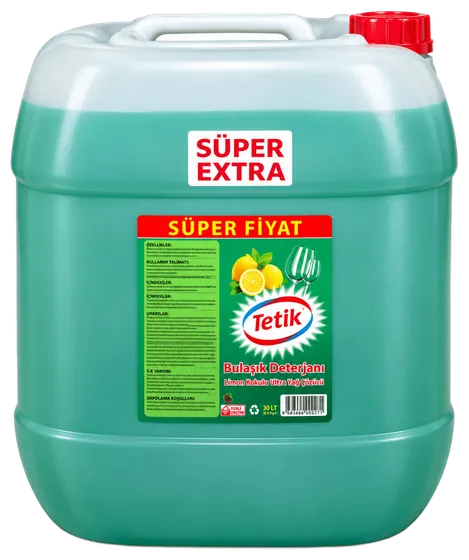
In restaurant kitchens and canteens, pressure cookers are used one after another during the day; checking and washing the seal and valve after every use helps the cooker work properly. Replace seals and valves at the intervals recommended by the manufacturer, and contact authorised service for faults and maintenance. For food safety rules, follow your business's procedure. TETİK dishwashing liquid is produced in 750 g, 5 kg, 20 kg and 30 kg packs and TETİK gel dish detergent in 200 g, 10 kg and 35 kg packs; for a list of products see the guide restaurant cleaning supplies, and for bulk purchases you can request a quote.