Guide · Floors, furniture and surfaces ·
How to Clean Rattan
Rattan furniture is widely used on balconies, in gardens and on café and hotel terraces because it is light and durable. Its woven structure holds dust and dirt, and natural rattan is sensitive to water and moisture. This guide explains how to clean natural and synthetic rattan, rattan chairs and garden sets, how to care for the cushions and how to store rattan over winter.
The difference between natural and synthetic rattan
- Natural rattan: obtained from the stem of a palm-family plant; it is sensitive to water and moisture, and too much water swells the fibres and leaves stains.
- Synthetic rattan: a polyethylene- or PVC-based weave; it is water-resistant and common in outdoor garden furniture.
- The furniture manufacturer's care instructions always take priority.
How to clean rattan: step by step
- Remove the dust: remove dust from between the weave with a soft brush or the brush attachment of a vacuum cleaner.
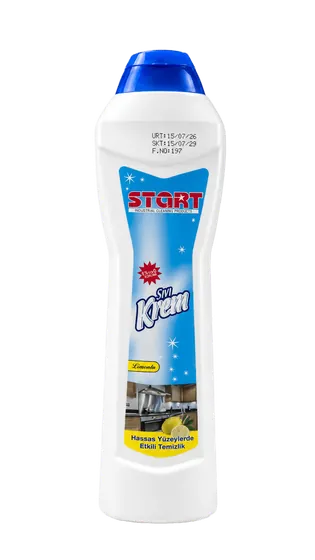
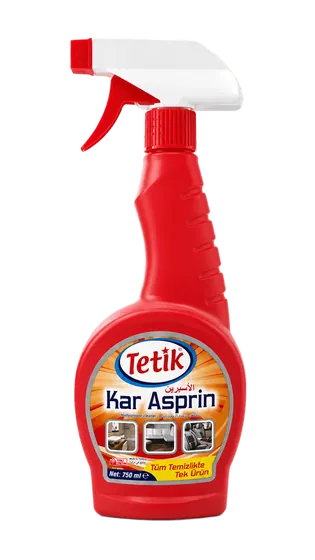
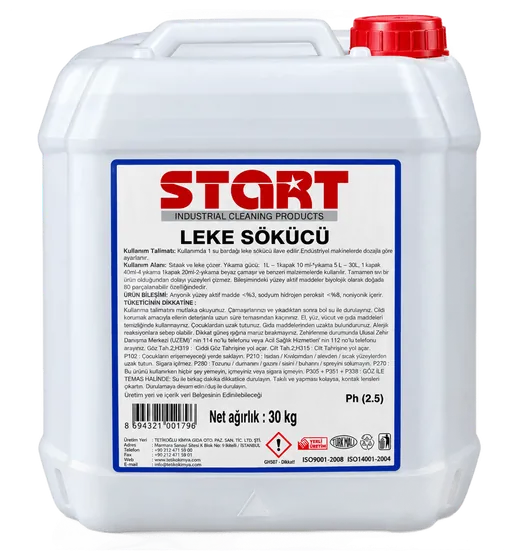
- Prepare a neutral cleaner: add surface cleaner to lukewarm water at the amount on the label. According to its safety data sheet, our START all-purpose surface cleaner has a pH of 7–8.
- Wipe the weave: wipe along the weave with a well-wrung soft cloth or a soft brush.
- Rinse: remove cleaner residue with a clean, damp cloth.
- Dry: leave the furniture to dry completely in a shaded, airy place.
How to clean rattan furniture?
Synthetic rattan garden sets can be brushed with a soft brush and a neutral cleaner and rinsed with a garden hose. Do not hold a pressure washer too close to the weave; it can loosen. Metal and aluminium frames are wiped with the same cleaner and dried; glass table tops are cleaned with glass cleaner. Do not hose down natural rattan furniture; wipe it only with a well-wrung cloth and little moisture, then go over it with a dry cloth.
How to clean rattan chairs?
On rattan chairs, the seat and armrests get dirtiest; in cafés and restaurants these areas are wiped with a damp cloth every day, and the dust between the weave is brushed out weekly. For the fabric parts of upholstered rattan chairs, see how to clean chairs.
Cushions
If their label allows, cushion covers are removed and machine washed. For stains on fixed cushions, see how to clean a sofa. Do not dry a wet cushion on the rattan; the moisture stays in the weave and stains natural rattan.
Winter care and storage
- In winter, store rattan furniture in a closed, dry place or cover it with a breathable cover; moisture builds up under plastic covers.
- Do not cover wet furniture or put it indoors; wait until it is completely dry first.
- Fit felt pads or protectors under the legs; the floor and the legs are protected.
- At the start of the season, dust the furniture and wipe it with a neutral cleaner.
- For plastic, sling and wooden sun loungers: how to clean a sun lounger.
- For wicker and rattan laundry baskets: how to clean a laundry basket.
- For woven and bamboo placemats: how to clean placemats.
- For wicker and rattan lampshades: how to clean a lampshade.
What not to do
- Soaking natural rattan or hosing it down.
- Using bleach and abrasive products on rattan.
- Scrubbing the weave with a wire brush.
- Holding a pressure washer close to the weave.
For cafés, hotels and restaurant terraces
On café, hotel and restaurant terraces, rattan furniture is used every day; daily wiping and end-of-season care extend its life. Our START all-purpose surface cleaner is produced in a 5 L pack. For product lists, see our guides restaurant cleaning supplies and Hotel cleaning supplies list, and for balconies and terraces how to clean a balcony; request a quote for bulk purchases.