Guide · Household items and appliances ·
How to Clean Home Appliances
The outer surfaces of home appliances such as fridges, washing machines, dishwashers and ovens get dirty quickly from fingerprints, cooking vapour and dust. Painted, plastic and stainless steel surfaces need different care; the wrong product and abrasives scratch paint and stain stainless steel. This guide explains how to safely clean the exterior of appliances, stainless steel doors and control panels, and what to watch out for with yellowing and rust.
Before cleaning
- Unplug: unplug the appliance before you start cleaning.
- Don't spray the appliance: spray the cleaner onto the cloth, not directly onto the appliance, so that no water gets into the control panel or vents.
- Check the manual: the care instructions in the appliance's manual take priority.
- No abrasives: wire sponges, hard scrubbing sponges and abrasive powders scratch painted surfaces and stainless steel.
How to clean the outside of appliances?
- Remove the dust: wipe dust off the top and edges with a dry microfibre cloth.
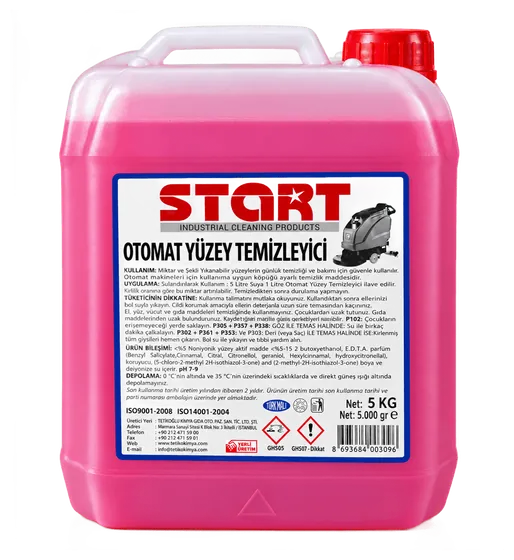
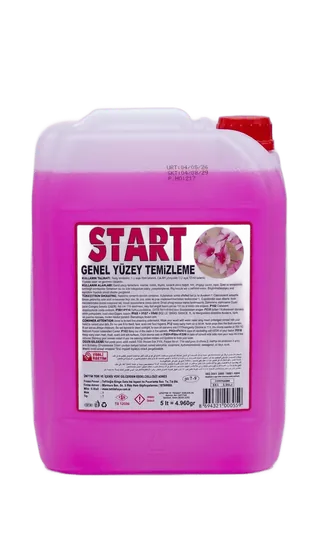
- Prepare a neutral cleaner: add surface cleaner to lukewarm water at the amount on the label. According to its safety data sheet, our START all-purpose surface cleaner has a pH of 7–8.
- Wipe: wipe painted and plastic surfaces with a well-wrung soft cloth; don't forget the handles and door edges.
- Control panel: wipe buttons and touch panels only with a lightly damp cloth.
- Dry: dry the surface with a dry microfibre cloth so that no water marks remain.
How to clean stainless steel appliances?
Stainless steel doors are wiped in the direction of the grain with stainless steel polish and buffed with a dry microfibre cloth; fingerprints come off the same way (how to clean stainless steel). Bleach, limescale removers and abrasive products can leave stains and scratches on stainless steel. On some appliances the stainless-look surface is painted or coated; follow the manufacturer's instructions on these surfaces.
Yellowed appliances
Yellowing on the plastic and painted surfaces of appliances is mostly the material ageing from sunlight and heat; it may not disappear completely with cleaning. Yellowing on surfaces near the hob and oven, however, is mostly a built-up layer of grease and fades when wiped regularly with a neutral surface cleaner. Bleach and abrasives do not remove yellowing; they can scratch the plastic and age it faster.
Rusting appliances
Where the paint is scratched or chipped, the metal is exposed and rust can form. Rust removers are not suitable for painted metal and stainless steel surfaces; for chipped and rusted areas, consult the appliance's authorised service or the manufacturer. To prevent rust, wipe and dry surfaces and do not use tools that scratch the paint.
Detailed guides by appliance
- For the inside, shelves and door seal of the fridge: how to clean a fridge.
- For ovens: how to clean an oven; for hobs: how to clean a hob.
- For the inside and filter of the dishwasher: how to clean a dishwasher.
- For extractor fans and cooker hoods: how to clean a cooker hood.
- For the inside, turntable and door of the microwave: how to clean a microwave.
- For small kitchen appliances: how to clean an air fryer, how to clean a blender, how to clean a sandwich toaster.
- For the washing machine's drawer, seal and filter: how to clean a washing machine.
- For the filter, water tank and drum of a tumble dryer: how to clean a tumble dryer.
- For a freezer's ice, interior and drawers: how to clean a freezer.
- For Turkish coffee, filter coffee and espresso machines: how to clean a coffee machine.
- For toasters and crumb trays: how to clean a toaster.
- For mixers and food choppers: how to clean a mixer, how to clean a food chopper.
- For bread makers: how to clean a bread maker.
What not to do
- Spraying water or cleaner directly onto the appliance.
- Using wire sponges and abrasive powder on painted and stainless steel surfaces.
- Using bleach or limescale remover on stainless steel.
- Wiping the control panel with a wet cloth while the appliance is plugged in.
For hotels, offices and shops
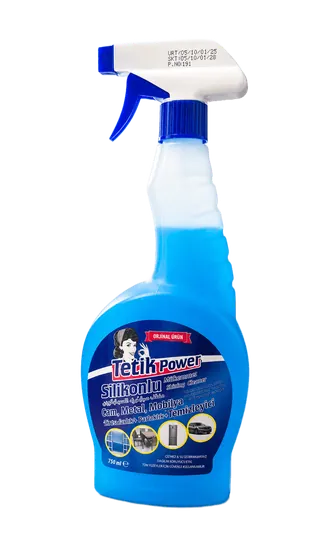
Minibars in hotel rooms, appliances in office kitchens and appliances on display in shops are wiped often; a neutral cleaner and a suitable polish for stainless steel keep surfaces looking good. Our START all-purpose surface cleaner is produced in 5 L, and TETİK Stainless Steel Polish in a spray bottle and a 5 kg container. For product lists, see our guides office cleaning supplies and Hotel cleaning supplies list; request a quote for bulk purchases.