Guide · Bathroom, toilet and limescale ·
How to Clean a Tap
Taps are used many times a day in the bathroom and kitchen; water spots, soap residue and limescale build up on their surface, and sediment collects in the aerator at the spout. The most important point when cleaning a tap is its finish: shiny chrome and matt black or coloured finishes are permanently damaged by acidic and abrasive products. This guide explains how to clean a tap safely, what to do about limescale marks and the tap aerator, and what to watch out for with an oxidised tap. For the whole sink, see the guide how to clean a bathroom sink.
First, get to know the tap's finish
- Chrome: the most common shiny silver finish; it dulls and stains with acidic and abrasive products.
- Black, matt and coloured finishes: matt black, gold and gunmetal finishes are the most delicate surfaces; they are wiped only with a neutral cleaner and a soft cloth.
- Stainless steel: for brushed-look taps, see the guide how to clean stainless steel.
- Brass and copper-look taps: follow the manufacturer's care recommendation.
How to clean a tap: step by step
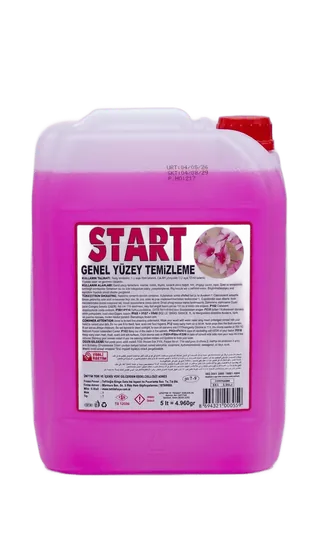
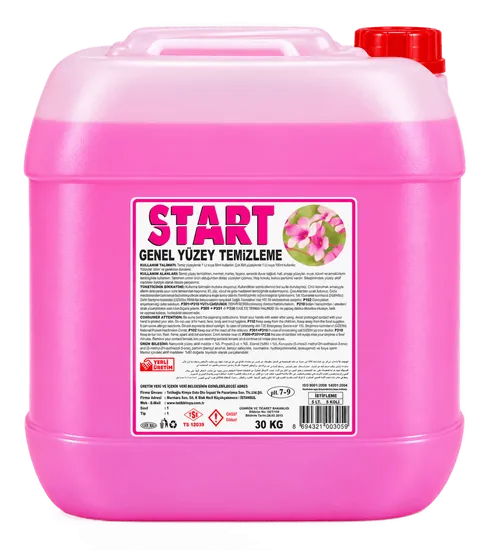
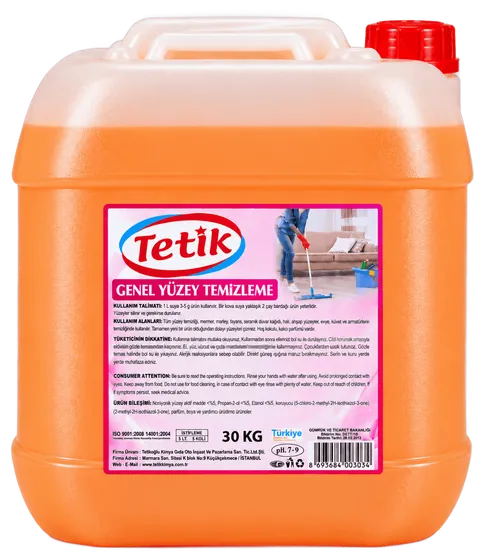
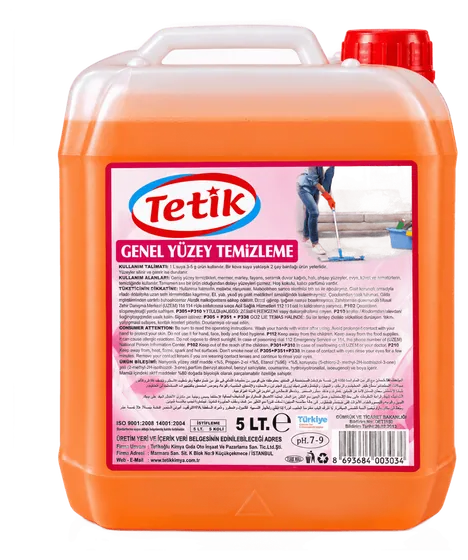
- Add START all-purpose surface cleaner to lukewarm water in the amount on the label. According to its safety data sheet, our START all-purpose surface cleaner has a pH of 7–8.
- Wipe the tap with a soft sponge or microfibre cloth dampened with this water.
- Reach the base of the tap, around the lever and the joints with a soft toothbrush.
- Remove the product by wiping with a clean damp cloth.
- Dry and polish the tap with a dry microfibre cloth; drying reduces water spots and limescale build-up.
How to remove limescale from a tap
Do not use acidic products such as limescale removers, hydrochloric acid, vinegar or lemon on chrome and coated taps; the finish dulls, stains and can peel over time. Light white limescale marks are reduced by regularly wiping the tap with a diluted neutral surface cleaner and drying it after each use. For thick limescale, use the product recommended by the tap manufacturer. For limescale on the ceramic surface of the basin at the base of the tap, see the guide how to clean a bathroom sink; do not let the limescale remover touch the tap. For the general causes of limescale, you can see the guide how to remove limescale stains.
How to remove limescale from mixer taps: bathroom, kitchen and shower
- Think of the finish first: Most mixer taps are chrome-plated and limescale forms on top of that plating; acidic products that dissolve limescale also attack the plating. So limescale on taps is removed patiently, with a method that does not harm the finish.
- Soak and soften: Add neutral surface cleaner to lukewarm water in the amount on the label, wrap a cloth soaked in this solution around the scaled area and leave it for a while; once the soap and dirt layer on top loosens, the limescale comes off more easily.
- Remove with soft tools: Rub the spout, the base of the lever and the body joints with a microfibre cloth and a soft toothbrush; wire, hard sponges and cream cleaners scratch the finish.
- Rinse and dry: Wipe with a clean damp cloth and polish with a dry microfibre cloth; a tap left wet soon scales up again.
- Thick limescale: For crusted limescale use the descaler that the tap manufacturer approves for the fitting, following its instructions; instead of scraping off a crust that will not budge, replace removable parts such as the aerator, shower head and hand shower.
- Shower head: On heads with silicone nozzles the scaled holes are cleared by rubbing them with a finger; do not soak the head in acidic products or wet the hand shower with product while it is connected to the mixer.
- Hard water: In hard water areas limescale appears within a few days; the most effective prevention is drying after every use. For the causes of limescale see the how to remove limescale stains guide.
How to clean a tap aerator
- The filter at the end of the tap (aerator) is removed by hand or with the key supplied by the manufacturer by turning it anticlockwise; put a soft cloth in between so as not to scratch the finish.
- Photograph the order of the parts as you remove them and do not lose the washer.
- Clean the sediment and sand from the screen by brushing it with a soft brush under running water.
- For filters clogged with limescale, use the product recommended by the manufacturer or replace the filter with a new one.
- Refit the filter together with its washer, tighten it by hand and turn on the water to check that there is no leak.
- For shower heads and hand showers, also follow the manufacturer's care instructions.
- For the bidet attachment in the toilet: how to clean a bidet attachment.
How to clean black taps
On matt black, gold and other coloured taps, use only lukewarm water with a diluted neutral surface cleaner and a soft cloth, then wipe with a clean damp cloth and dry straight away. Do not use cream cleaners, abrasive sponges, limescale removers, bleach or degreaser on these finishes; shiny patches, scratches and fading appear on the finish. Because water spots show more on matt surfaces, drying after every use is the best protection. Test any new product on a hidden part first and follow the manufacturer's care recommendation.
Oxidised and rusty taps
Blistering, peeling, darkening and brown rust marks on chrome plating are usually caused by the plating wearing away and exposing the metal underneath. This damage does not reverse with cleaning; rust removers and abrasive products can damage the plating further. Keep the tap clean and dry with a neutral cleaner; for taps that drip, leak or whose plating has peeled, consult a plumber and replace the tap if necessary. For rust marks that have transferred onto ceramic surfaces, see the guide how to remove rust stains.
Kitchen taps
Greasy fingerprints and food splashes build up on kitchen taps. Wipe the tap several times with diluted START all-purpose surface cleaner, rinse with a clean damp cloth and dry; do not use degreaser on coated taps. On taps with spring and pull-out spouts, clean the filter at the end of the spray head as described above and do not bend the hose sharply. For the whole sink, see the guide how to clean a kitchen sink.
How often should taps be cleaned? Daily, weekly and monthly care
- After every use: The bathroom mixer is wiped with a dry microfibre cloth; if water spots are removed before they dry, no limescale forms.
- Every day: The kitchen tap is wiped with diluted neutral cleaner and dried, because of greasy fingerprints and food splashes.
- Once a week: The lever bases and body joints of bathroom mixers are cleaned with a soft brush; the hand shower and bidet spray are wiped on the same day.
- Once a month: The aerator is removed and its sediment cleaned out; if the flow weakens or water sprays sideways, it is checked sooner.
- When needed: Aerators and shower heads clogged with limescale are replaced; for a tap that drips, leaks or whose plating is peeling, a plumber is called.
- In businesses: In hotels, offices and shared washrooms, daily wiping and a monthly aerator check are written into the cleaning schedule, and the instruction states that no acidic products are used on fittings.
What not to do
- Using limescale remover, hydrochloric acid or vinegar on chrome and coated taps.
- Scrubbing with cream cleaner, an abrasive sponge or steel wool.
- Using bleach and degreaser on coated taps.
- Leaving the tap wet: limescale marks build up.
- Removing the filter with pliers and scratching the finish.
- Mixing different cleaning products (can cleaning products be mixed).
- For what cream cleaner is and where it is used: what is cream cleaner.
For hotels, offices and businesses
In hotel bathrooms, office kitchens and shared toilets, taps are wiped every day; cleaning instructions should state that no acidic products are used on fittings, that taps are wiped with a neutral cleaner and dried, and that filters are checked periodically. START All-Purpose Surface Cleaner is produced in 5 L packs. For the order of room cleaning you can see the guides how to clean a hotel room and, for a product list, Supplies for a cleaning company, and for bulk purchases you can request a quote.