Guide · Kitchen and dishes ·
Gel Dishwashing Detergent or Liquid?
Gel and liquid dishwashing detergent are both made for washing dishes by hand. Gel has a thick consistency and is taken from its container with a sponge; liquid detergent is added to the sponge or to the dishwater. This guide covers the differences, when each one is practical and the products we make.
Is gel or liquid dishwashing detergent better?
There is no single right answer; the choice depends on how you use it. If you want to apply the product directly to the dirty area on very greasy pots and pans, gel is more practical; if you want a product added to the sponge or the dishwater, liquid detergent is.
Our product information does not compare the cleaning power of the two types. So choose by place of use and packaging, not by strength.
Differences between gel and liquid dishwashing detergent
- Consistency: Gel is thick. Liquid detergent is poured from a bottle or canister.
- How it is taken: Gel is taken from its container with a wet sponge. Liquid detergent is added to the sponge or the dishwater.
- On greasy areas: On very greasy pots and pans, gel can be applied directly to the dirty area and left briefly. With liquid detergent, dishes are washed by scrubbing with a sponge.
- Packaging: Our gel products come in tubs, buckets and canisters; our liquid products in bottles and canisters.
- What they share: Both are for hand washing, and dishes are rinsed with plenty of clean water. Neither is used in a dishwasher.
Which is more practical when?
- Greasy pots and pans: Gel, because it can be applied directly to the dirty area.
- If you fill the sink with dishwater: Liquid detergent, because it is added to the water.
- Home kitchens: Both are used. The small pack is 200 g for gel, and 750 g and 750 ml for liquid.
- Offices and tea kitchens: A bottle of liquid detergent is easy to use at the sink.
- Restaurants and canteens: Gel for pots and cauldrons and a canister of liquid detergent for constant use at the sink can be considered together.
- Dishwasher: Neither. Only detergent made for machines is used in one: how to use dishwasher detergent.
How are the two products used?
Gel dishwashing detergent
Take a little gel with a wet sponge and scrub the dishes. On very greasy pots and pans you can apply gel to the dirty area and leave it briefly. Then rinse with plenty of clean water and close the container. For the steps, see how to use gel dish detergent.
Liquid dishwashing detergent
Put detergent on a wet sponge or add it to the dishwater in the amount on the label. Scrub the dishes with the sponge and rinse with plenty of clean water. Details are in how to use dishwashing detergent.
Gel dishwashing detergents we make
- TETİK Gel Dishwashing Detergent: 200 g (32 per case), 10 kg and 35 kg (sold singly). According to the label it is for plates, glasses, pots and cutlery, for household and industrial use.
- START Gel Dishwashing Detergent: 35 kg (sold singly). The label describes it as an industrial-type transparent gel dishwashing detergent; it has a lemon scent.
- Storage: According to its label, TETİK Gel Dishwashing Detergent is kept away from food and drink and is not left in direct sunlight.
Liquid dishwashing detergents we make
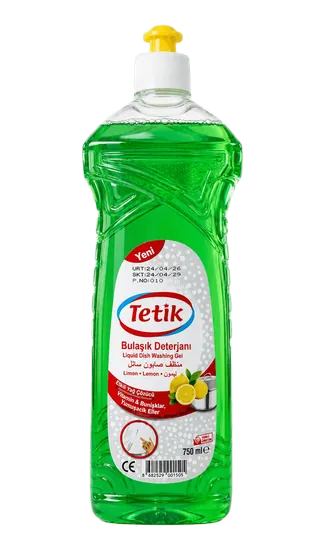
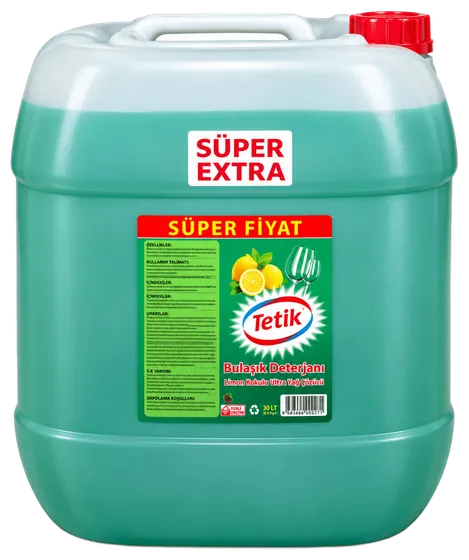
- TETİK Dishwashing Liquid: 750 g (16 per case), 5 kg (4 per case), 20 kg and 30 kg (sold singly).
- TETİK Dishwashing Liquid (PET packaging): 5 kg (4 per case).
- TETİK Dishwashing Liquid — Extra: 30 kg (sold singly).
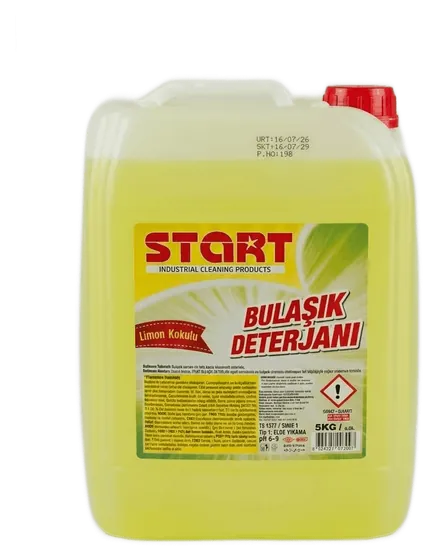
- START Dishwashing Liquid: 5 kg (4 per case).
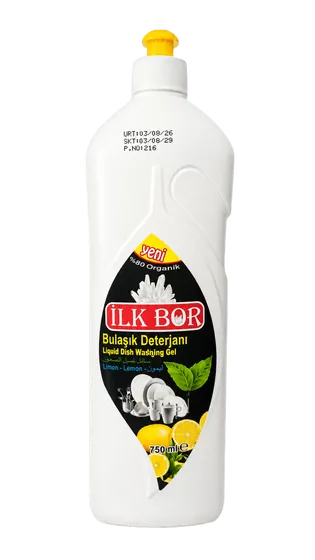
- İLK BOR Dishwashing Liquid: 750 ml (12 per case).
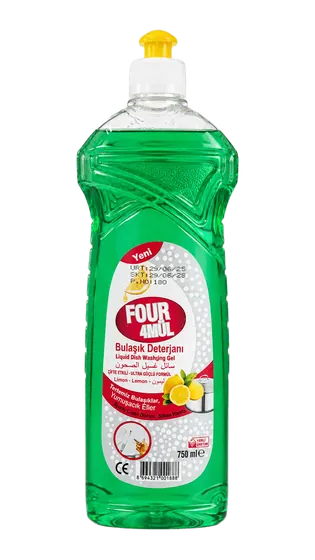
- FOUR4MÜL Dishwashing Liquid: 750 ml (16 per case).
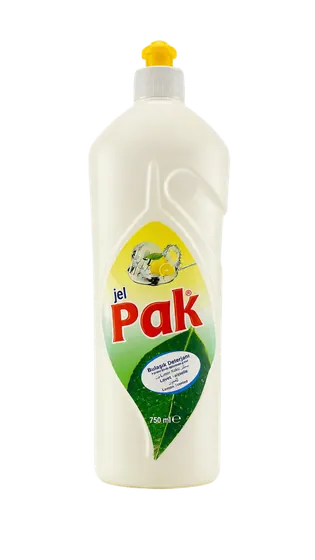
- JELPAK Dishwashing Liquid: 750 ml (16 per case). Despite the word jel in its name it is not a tub gel; it is a dishwashing detergent sold in a bottle.
Certificates and safety information
- TSE: START Dishwashing Liquid is TSE certified to TS 13773; certificate details are on the certificates page.
- Domestic Goods: We hold a Domestic Goods certificate in the dishwashing detergent product type covering the TETİK, START, JELPAK, İLK BOR and FOUR4MÜL brands (local content 73.58%).
- Safety data sheet: According to the sheet for START Dishwashing Liquid, the pH is 5–9 and the product causes serious eye irritation (H319). You can request a copy of the form from the safety data sheets page.
- For both types: If it gets in the eyes, rinse with plenty of water; wear gloves for frequent dishwashing and do not mix with other cleaning products (can cleaning products be mixed).
For businesses: gel or liquid?
In restaurants, hotels and canteens the choice depends on the type of dishes and the sink layout. The 35 kg gel pack suits the area where greasy pots and cauldrons are washed, and 5, 20 and 30 kg canisters of liquid detergent suit constant use at the sink. For a product list, see restaurant cleaning supplies; for certificates and packaging, see choosing wholesale dishwashing detergent.
Tetikoğlu Kimya is a dishwashing detergent manufacturer; we present our facility on the production page. For bulk purchase terms see wholesale cleaning products, for selling in your region see dealership and distribution, and for prices use the quote form.