Guide · Kitchen and dishes ·
How to Clean Placemats
Placemats sit under plates, glasses and cutlery at every meal; spilled oil, tomato paste, tea and fruit juice leave stains on placemats more than anywhere. How a placemat is cleaned depends on its material: fabric placemats are usually washed in the machine or by hand, PVC and plastic placemats are cleaned by wiping, and woven and bamboo placemats are wiped with a damp cloth without being immersed in water. This guide explains how to clean fabric, PVC, silicone, woven and bamboo placemats and how to dry them.
First find out the material
- Fabric: cotton, linen and polyester placemats can usually be washed; check the washing instructions on the label.
- PVC, plastic and silicone: waterproof; wiped with lukewarm water and dishwashing liquid.
- Woven, bamboo and rattan: natural fibres absorb water; they are not immersed in water but wiped with a damp cloth.
- Leather and faux leather: use the care method recommended by the manufacturer.
How to wash fabric placemats?
- Shake off crumbs and lift the excess of spilled sauce with a spoon.
- Before washing, pre-treat grease, tomato paste and fruit stains with İLK BOR stain remover, or spray on TETİK Kar Aspirin, whose label lists white and coloured laundry, and rub lightly.
- If the label allows, wash the placemats on the programme on their label with detergent for coloureds.
- Check the stains before drying; if a mark remains, repeat the pre-treatment.
- Dry the placemats laid flat or on a line; if the label allows, smooth them by ironing while slightly damp.
- For tablecloths and fabric napkins, see how to wash a tablecloth.
How to clean PVC placemats?
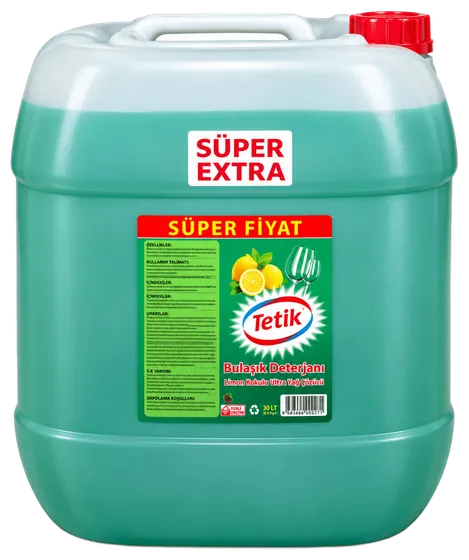
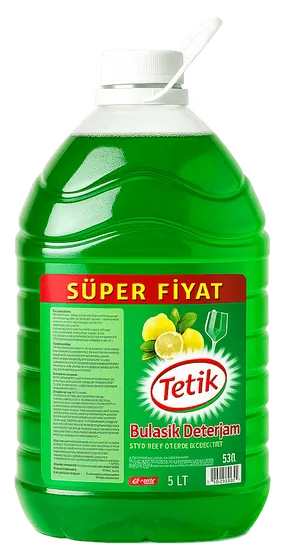
Wipe PVC, plastic and silicone placemats with a soft sponge or cloth in lukewarm water with a little TETİK Dishwashing Liquid added; clean the recesses of textured and woven-look PVC placemats with a soft brush. Rinse the placemats with clean water or wipe them with a clean damp cloth and dry with a dry cloth. Do not immerse PVC placemats in hot water, iron them or put hot pots on them; the material changes shape. You can flatten curled PVC placemats on a flat surface with a light weight on top.
How to clean woven placemats?
Do not immerse woven, bamboo and rattan placemats in water; natural fibres absorb water, swell and lose their shape. Shake off crumbs or remove them with a soft brush, wipe the stained area with a well-wrung cloth in lukewarm water with a little dishwashing liquid, wipe with a clean damp cloth, dry immediately and leave the placemat to dry flat in a well-ventilated place. For the care of woven and rattan items, see how to clean rattan.
Stains: grease, tomato paste, tea and wine
- Grease: on a fabric placemat, pre-treat the greasy area and wash at the most suitable temperature the label allows (how to remove grease stains).
- Tomato paste and tomato sauce: lift off the excess, rinse from the back with cold water, pre-treat and wash (how to remove tomato paste stains).
- Tea and coffee: rinse with cold water straight away and pre-treat (how to remove tea stains).
- Wine and fruit juice: blot the liquid with paper towel and pre-treat straight away (how to remove wine stains).
- On PVC and silicone placemats, wipe the stain straight away with a damp cloth and a little detergent.
Drying and storage
- Dry fabric placemats flat or hanging; do not fold and put them away before they are completely dry.
- After drying, store PVC and silicone placemats flat and stacked; leaving them rolled up for a long time makes them curl.
- Do not put woven and bamboo placemats away before they are completely dry; woven fibres that stay damp can discolour.
- Do not dry placemats in direct sunlight or on a radiator.
What not to do
- Immersing woven, bamboo and rattan placemats in water.
- Washing PVC placemats in hot water, ironing them or putting hot pots on them.
- Using bleach on coloured and synthetic fabric placemats.
- Using steel wool, abrasive cream and solvents on placemats.
- Mixing different cleaning products (can cleaning products be mixed).
For restaurants, cafés and hotels
In restaurants, cafés and hotels, placemats are used on every table at every meal; wiping PVC and silicone placemats after the table is cleared and collecting fabric placemats at the end of the day to wash them with pre-treatment make things easier. TETİK Dishwashing Liquid is sold in 750 g, 5 kg, 20 kg and 30 kg, TETİK Kar Aspirin in 750 g, 5 kg and 30 kg and powder machine detergents for coloureds and whites in 20 kg packs. For a product list, see restaurant cleaning supplies; for bulk purchases, you can request a quote.