Guide · Kitchen and dishes ·
How to Clean Food Storage Containers
Plastic food storage containers hold on to grease; coloured foods such as tomato paste, turmeric and curry leave orange and yellow marks in the plastic, and food residue collects under the lid seal. Because storage containers are in contact with food, they are washed with dishwashing liquid, rinsed thoroughly and dried completely. This guide explains how to clean plastic, glass and stainless steel storage containers, lids and seals, and what to do with greasy and stained containers.
How to clean food storage containers: step by step
- Empty and rinse: empty food leftovers from the container and rinse it with lukewarm water.
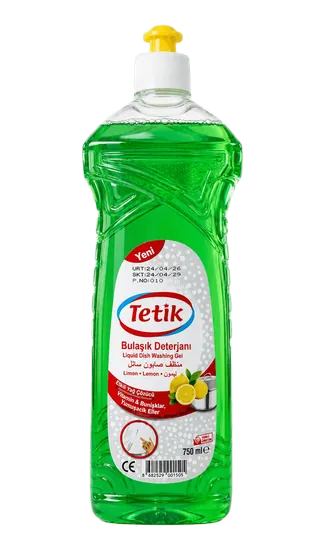
- Wash with dishwashing liquid: add a little TETİK dishwashing liquid to lukewarm water or the sponge and scrub the inside, corners and rim of the container.
- Wash the lid separately: clean the inside of the lid and the seal groove with a soft brush.
- Rinse: rinse the container and lid under running water until no detergent remains.
- Dry completely: dry the container and lid separately; do not put the lid on a damp container.
Lids and silicone seals
Food residue and moisture collect under the silicone seal in the lid of airtight containers. If the manufacturer allows, the seal is carefully removed from its groove, washed in lukewarm soapy water, rinsed and refitted once completely dry. Clean the seal groove with a soft brush; sharp metal tools can cut the seal and its groove. Replace a torn seal or one that has lost its elasticity with the manufacturer's spare.
How to clean greasy food containers
Plastic surfaces hold on to grease, and a greasy container can stay slippery even after rinsing. In a greasy container, a small amount of TETİK gel dish detergent can be applied to the sponge or directly to the greasy surface; leave it briefly, scrub under lukewarm water and rinse thoroughly. Repeat if necessary. Degreaser is not made for food-contact surfaces; do not use it on storage containers. For using dishwashing liquid, see the guide how to use dishwashing liquid.
How to clean stained plastic containers
Coloured foods such as tomato paste, tomato sauce, turmeric and curry work into the plastic and leave orange and yellow marks; this discolouration does not fully go away with washing. Washing the container with dishwashing liquid straight after use reduces how deeply the mark sets. Bleach, surface cleaner and limescale remover are not made for food-contact surfaces; do not use them on storage containers. We do not recommend home methods such as baking soda, lemon, vinegar or leaving in the sun. Using glass containers to store coloured and greasy dishes avoids discolouring plastic containers.
Glass and stainless steel containers
- Glass containers: wash with dishwashing liquid; do not put a hot glass container in cold water, as a sudden change in temperature can crack the glass.
- Stainless steel containers: wash with dishwashing liquid and dry straight away; steel wool scratches the surface (how to clean stainless steel).
- Dishwasher and microwave: check the symbols on the container and lid to see whether they can go in the dishwasher and the microwave.
- Replace plastic containers that are scratched, cracked or misshapen and containers whose lids no longer close.
Drying and storage
- Put containers and lids away only once they are completely dry.
- Do not store empty containers with their lids closed for long periods; store the lids separately or loosely fitted.
- When stacking containers, make sure they are dry inside.
- For dish racks and drip trays: how to clean a dish rack.
- For using gel dish detergent: how to use gel dish detergent.
- For the yellow colour in mustard and curry sauces: how to remove turmeric stains.
What not to do
- Cleaning storage containers with bleach, surface cleaner or degreaser.
- Using steel wool and abrasives on plastic containers.
- Putting the lid on a damp container.
- Removing the seal with a sharp metal tool.
- Putting a container in the microwave or dishwasher without checking its symbol.
For restaurants and canteens
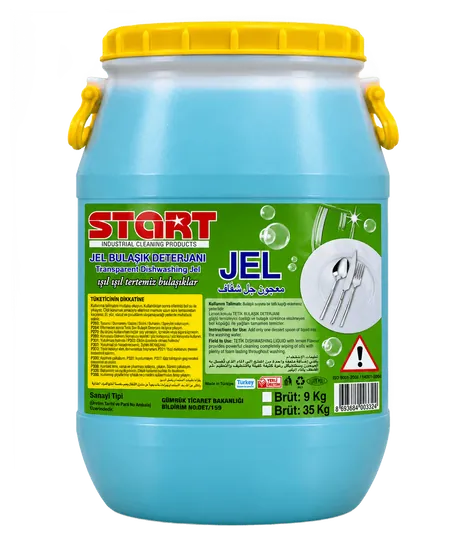
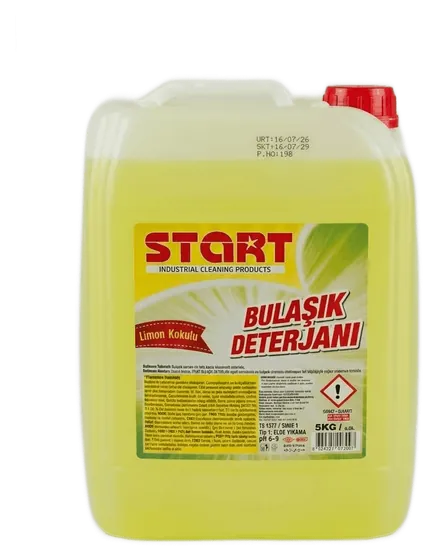
In professional kitchens, gastronorm pans, storage containers and their lids are washed frequently throughout the day; washing the containers with dishwashing liquid, rinsing them thoroughly, drying them completely with their lids and setting aside cracked or deformed containers keeps the kitchen orderly. Where food safety is required, follow your business's procedure. For kitchen cleaning products, see the guide restaurant cleaning supplies. TETİK Dishwashing Liquid is produced in 750 g, 5 kg, 20 kg and 30 kg packs and TETİK Gel in 200 g, 10 kg and 35 kg packs; for bulk purchases you can request a quote.