Guide · Stain removal ·
How to Remove Rust Stains
A rust stain is the brown-orange mark that forms when a rusting metal can, shelf or strainer stays in contact with tiles or ceramics for a long time, or when water containing iron runs over them. On ceramic surfaces it comes off with limescale and rust remover, but the same product is not used on fabric, marble or metal surfaces. This guide explains how to remove rust stains depending on the surface.
Why do rust stains form?
Iron rusts when it comes into contact with moisture and air; water carries the rust and leaves a mark on the surface it touches. In the bathroom, rust stains appear most often under shelves and spray cans, along the waterline of the toilet and around the washbasin drain. If the item causing the stain is not removed, the stain comes back after cleaning.
How to remove rust stains from tiles and ceramics
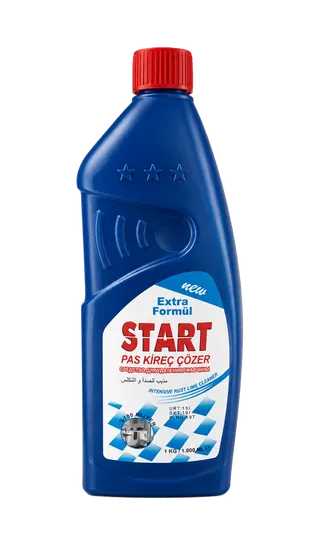
For rust stains on ceramic tiles, washbasins and toilets, limescale and rust remover is used. The product is acidic; follow the steps below together with the label instructions.
- Protect yourself: wear gloves and safety goggles and ventilate the room.
- Remove the source: take the metal item that caused the stain off the surface.
- Apply: apply the product to the rust stain and leave it briefly; follow the label for the contact time.
- Scrub and rinse: scrub with a brush or sponge, then rinse with plenty of water; do not let the product dry on the surface.
- Repeat if needed: repeat the process on old and dark stains; do not scrape with steel wool or hard objects, as the glaze will scratch.
Toilet, washbasin and shower enclosure
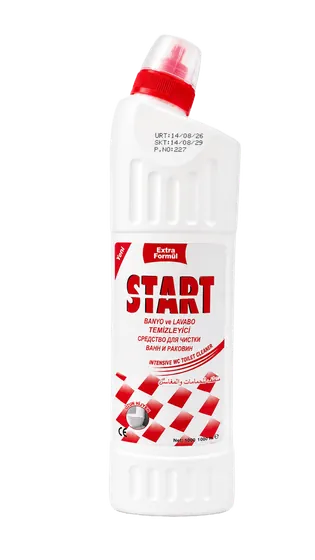
The brown mark along the toilet's waterline is usually a build-up of limescale and rust: apply limescale and rust remover under the rim onto the inner surface, leave it briefly, scrub and flush (how to clean a toilet). On ceramic washbasins and shower glass, apply the product with a damp cloth and keep it off metal parts such as taps, frames and strainers. For the whole bathroom, see our guide how to clean a bathroom.
Which surfaces should it not be used on?
- Marble, travertine and other natural stone: acid etches the surface and dulls it (how to clean marble).
- Enamel baths and basins: the glossy surface can be permanently damaged.
- Chrome-plated taps, stainless steel, aluminium, copper, brass and other metal surfaces.
- Cement-based grout: frequent or prolonged application wears the grout away.
- Textiles, carpets, wood and painted surfaces.
Rust stains on fabric
Acidic surface products such as limescale and rust remover, hydrochloric acid cleaner and bathroom and toilet cleaner are not used on fabric; they damage the fibres and the colour. Bleach does not remove rust stains either and can make them darker.
Rust stains on fabric do not always come out in a normal wash or with general stain removers; a rust stain product made for textiles or professional dry cleaning may be needed. Take valuable and delicate fabrics to a dry cleaner; do not tumble-dry or iron the item until the stain is gone. For other types of stains, see our guide how to use stain remover.
Preventing rust stains from coming back
- Do not place metal cans and sprays directly on tiles or the edge of the washbasin; use a plastic tray.
- Replace rusting shelves, hooks and strainers.
- Dry surfaces after showering; moisture speeds up rusting.
- Clean limescale and rust in the toilet and washbasin regularly, before they build up.
Safety
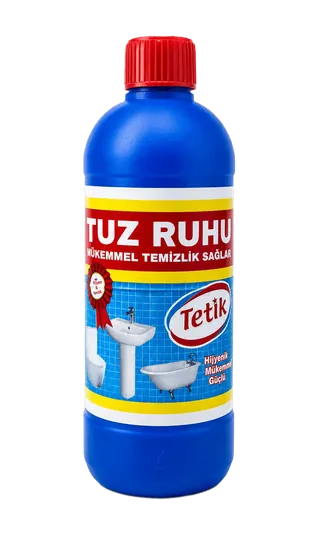
Limescale and rust remover is acidic: it must not be mixed with bleach or chlorine products, as the mixture can release harmful gas. If you use different products on the same surface, rinse with plenty of water in between (can cleaning products be mixed). Keep the product in its original packaging, out of the reach of children.
Pack options
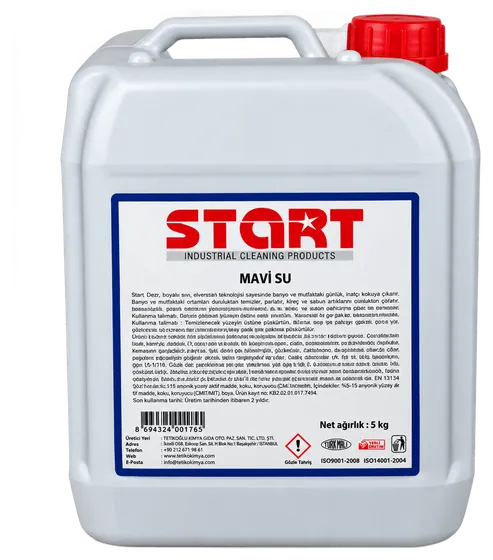
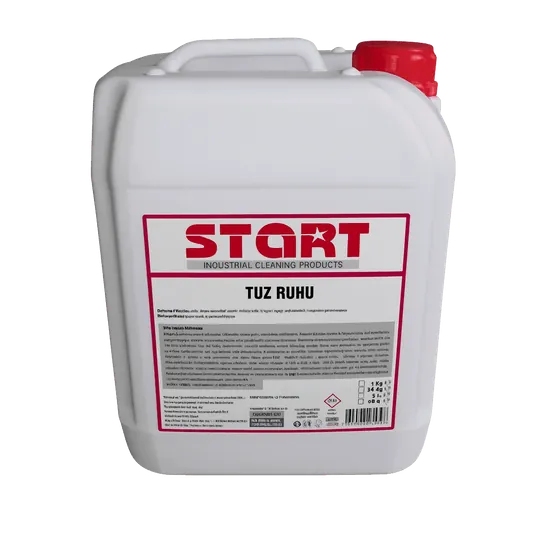
START Limescale & Rust Remover is produced in 1 kg, 5 kg, 20 kg and 30 kg packs; the large cans suit hotels, hospitals, schools and cleaning companies. The product and our other bathroom products are on the bathroom and toilet cleaners page; for bulk purchases, you can request a quote.