Guide · Bathroom, toilet and limescale ·
How to Clean a Toilet
Order matters when cleaning a toilet: first the inside of the bowl and the limescale, then the lid and outer surfaces, and finally the basin, tiles and floor. Using the right product in the right place makes the job quicker and keeps you from damaging chrome taps and tile grout. The steps below are the same at home and in businesses; always check the product label for dilution and contact time.
How to clean a toilet step by step
- Open the window or switch on the ventilation and put on gloves.
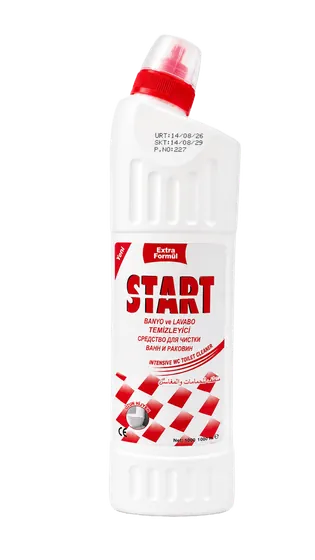
- Apply bathroom and toilet cleaner inside the bowl; pour it so it reaches under the rim and leave it for the time on the label.
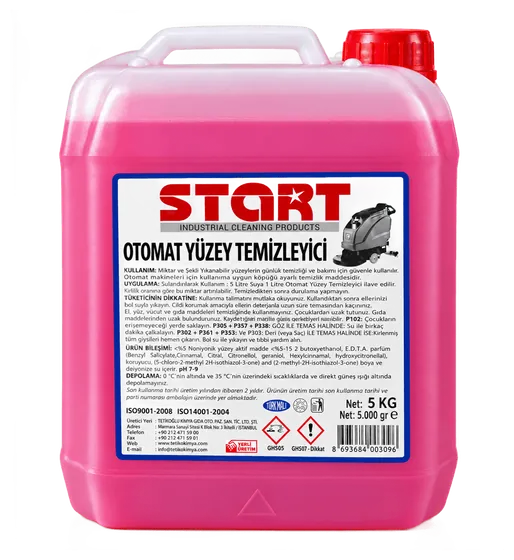
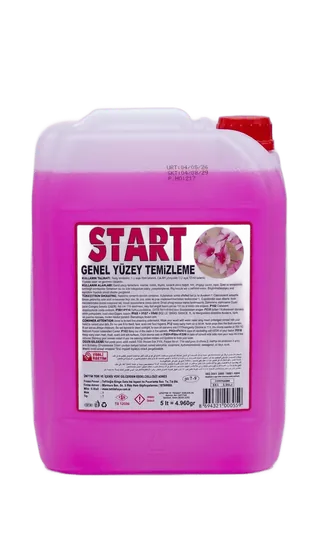
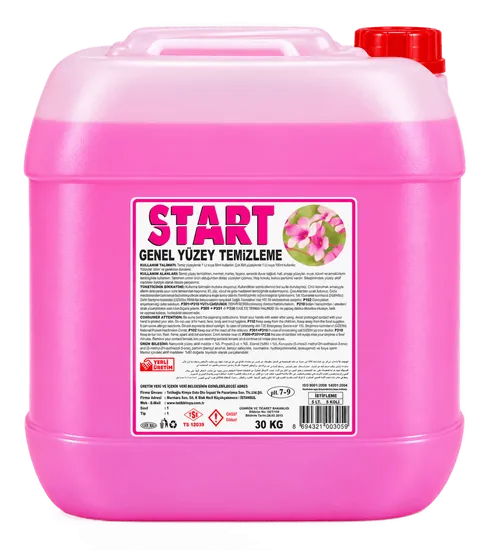
- While it works, wipe the lid, seat, outer body and flush button with diluted surface cleaner.
- For removing the toilet seat, its hinges and yellowing: how to clean a toilet seat.
- For the bidet attachment and its nozzle: how to clean a bidet attachment.
- Scrub inside the bowl and flush; rinse the brush and leave it to dry.
- Wipe the basin, mirror and taps; mop the floor last.
- Keep the cloths and brush for the toilet only; never mix them with kitchen cloths.
- For the whole bathroom, including the shower enclosure, bathtub and mirror: how to clean a bathroom.
How to remove toilet limescale
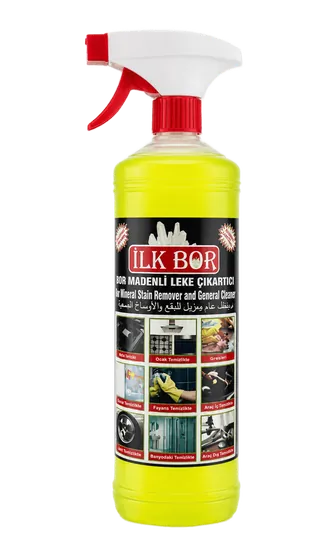
The yellow-brown layer inside the bowl and at the waterline is limescale, and the daily cleaner will not remove it. Use limescale and rust remover: apply it to the scaled surface, leave it for the time on the label, scrub and rinse with plenty of water. Repeat on stubborn deposits; do not scrape with hard objects, the ceramic scratches. Details: how to use limescale remover.
Muriatic acid (tuz ruhu) also removes limescale but is harsher: in the toilet, apply it only to the scaled area, according to the instructions and warnings on the label; keep it off chrome, marble and natural stone.
On the differences between limescale remover and hydrochloric acid: are limescale remover and hydrochloric acid the same.
On the causes of yellowing and darkening in the toilet: toilet turn yellow.
Basin, taps and tiles
Washbasins and fittings
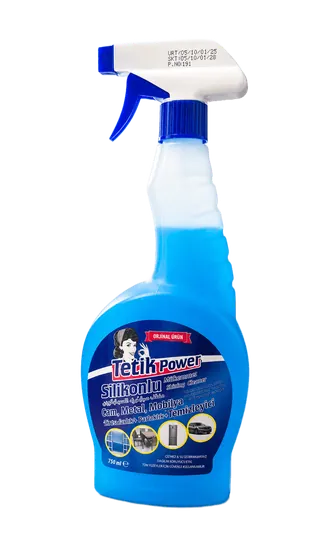
Bathroom and toilet cleaner is enough for a ceramic basin. Do not use acidic products on chrome taps and shower heads; wipe them with a damp cloth and surface cleaner, then buff with a dry cloth. For limescale around the tap, apply limescale remover to the ceramic part only.
Tiles and grout
Tile surfaces are wiped with surface cleaner. For darkened grout use Sihirli Su grout cleaner: the steps are in our guide how to clean grout.
Floor
The floor is mopped last with diluted surface cleaner and a well-wrung mop; the area around the drain is scrubbed separately.
For urinals in business toilets and urine scale: how to clean a urinal.
How to get rid of toilet odour
The smell usually comes from the drain, the grout and the build-up at the base of the toilet. Clean these spots first; for drain odour use enzyme odour remover (how to get rid of drain smell). Apply room fragrance after cleaning; fragrance masks the smell, it does not remove the source.
On the causes of sewage, damp and urine smells in the bathroom: bathroom smell.
What not to do
- Never mix bleach with acidic products (limescale remover, muriatic acid, toilet cleaner); use them separately with rinsing in between: can cleaning products be mixed.
- Do not use acidic products on chrome, marble, natural stone or aluminium.
- Do not leave the product on longer than the label says; dried product can leave marks.
- Keep products in their original packaging, out of children's reach: storing cleaning products.
For businesses
In hotels, restaurants, shopping centres and schools toilets are cleaned several times a day; 5–30 KG packs are decanted into labelled small bottles. For bathroom and toilet cleaner, limescale remover, surface cleaner and odour remover, request a quote on our wholesale cleaning products page.