Guide · Bathroom, toilet and limescale ·
How to Clean a Bidet Attachment
A bidet attachment consists of a thin pipe and nozzle that reach into the toilet bowl, or a valve and hand sprayer fitted beside the toilet. Because the nozzle is in constant contact with water and the limescale in it, and is exposed to splashes inside the bowl, it needs regular cleaning. This guide explains how to clean a bidet attachment in the toilet, its nozzle and the limescale on it. For the whole toilet, see how to clean a toilet.
Before you start
- Wear gloves: use rubber gloves or disposable gloves when working inside the toilet bowl.
- Know the material: the nozzle of a bidet attachment is usually chrome-plated metal or plastic; plated surfaces are damaged by acid.
- Close the valve: if you are going to remove the nozzle, first close the bidet valve.
- Keep toilet products away: products you use inside the toilet bowl should not touch the bidet attachment; if they do, rinse immediately with plenty of water.
How to clean a bidet attachment: step by step
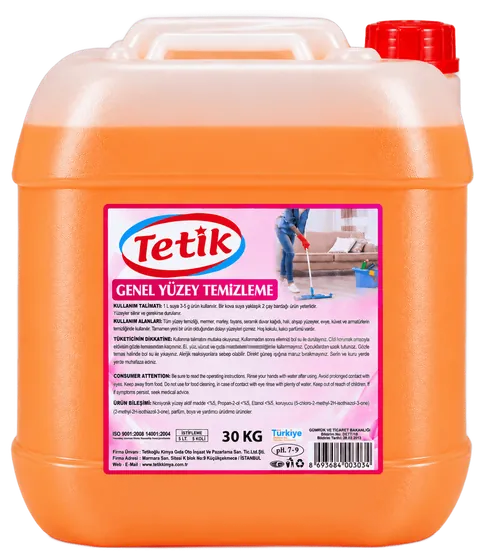
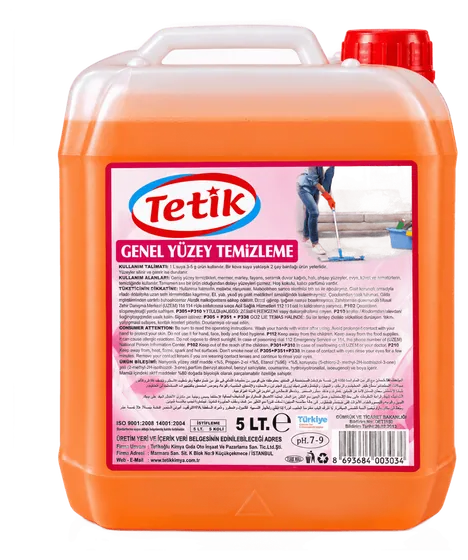
- Add START all-purpose surface cleaner to lukewarm water in the amount on the label. According to its safety data sheet, our START all-purpose surface cleaner has a pH of 7–8.
- Wipe the bidet pipe and nozzle with a soft cloth dampened with this solution; reach around the nozzle and between the holes with a soft toothbrush.
- Rinse the nozzle by opening the valve briefly; the running water flushes loosened dirt out of the holes.
- Remove the product by wiping with a clean damp cloth.
- Dry metal and chrome surfaces with a dry microfibre cloth.
How to remove limescale from a bidet attachment
Do not use acidic products such as descaler, hydrochloric acid, vinegar or lemon on chrome-plated and coated bidet attachments; the plating becomes dull, stained and can peel over time. Light limescale around the holes of the nozzle is reduced by regular wiping with a diluted neutral surface cleaner and a soft brush. For heavier limescale, use the product recommended by the fitting manufacturer or replace the nozzle. For the toilet seat and its hinges, see how to clean a toilet seat.
How to clean a bidet nozzle
- On models with a removable nozzle, close the valve and remove the nozzle according to the manufacturer's instructions.
- Clean the nozzle with a soft brush in lukewarm water with diluted neutral cleaner; brush the deposits out of the holes under running water.
- Do not push needles, wire or sharp metal into the holes; the holes get damaged and the water flow is disrupted.
- Rinse the nozzle, refit it and open the valve to check for leaks.
- Replace a nozzle that is clogged with limescale or whose plating has peeled with a new one.
If the bidet attachment has weak water flow
If the bidet attachment has weak water flow, first check whether the holes in the nozzle are clogged with limescale and deposits, and clean the nozzle. If the nozzle is clean, the problem may be the strainer in the valve; some bidet valves have a small strainer where the water enters that traps sand and deposits. Reaching the strainer means working on the plumbing, so close the main valve and follow the valve's instructions or call a plumber. For tap filters, see how to clean a tap.
What not to do
- Using descaler, hydrochloric acid, vinegar or bleach on the bidet attachment.
- Scrubbing the chrome surface with steel wool, abrasive cream or a hard brush.
- Pushing needles or wire into the holes of the nozzle.
- Pouring toilet cleaner over the bidet attachment.
- Mixing different cleaning products together.
For hotels, offices and businesses
In hotel, office, restaurant and shopping centre toilets, bidet attachments are used all day; in daily cleaning, wiping the attachment with a separate cloth and a neutral cleaner before the toilet products, drying it and checking the valves regularly keeps the routine consistent. For a product list, see the hotel cleaning supplies list. START all-purpose surface cleaner is produced in 5 L packs; for bulk purchases you can request a quote.