Guide · Bathroom, toilet and limescale ·
How to Clean a Shower Enclosure
White limescale marks left by hard water, and soap and shampoo residue build up on shower enclosure glass; over time the profiles, hinges and silicone seals darken and get dirty. Because a shower enclosure is made of different materials, each part is cleaned with a different product: limescale remover is applied only to the glass and to ceramic surfaces, while the profiles, metal parts and acrylic tray are wiped with a neutral cleaner. This guide explains how to clean the glass, limescale, profiles, shower tray and silicone and how to slow down new limescale. For the whole bathroom, see the guide how to clean a bathroom.
First, get to know your shower enclosure
- Glass: it may be tempered or coated glass; for coated glass, follow the manufacturer's care instructions.
- Profiles and hinges: they are mostly aluminium, chrome-plated or stainless steel; acidic products dull and stain these surfaces.
- Shower tray: it may be ceramic, acrylic or enamel; an acrylic tray scratches with abrasives, and enamel dulls with acid.
- Silicone and grout: the silicone between the glass and the tray and the tile grout are dealt with separately.
How to clean shower glass
- Wet the glass with lukewarm water to remove soap foam and loose dirt.
- For soap and shampoo marks, wipe the glass with a well-wrung damp cloth; for greasy marks, dampen the cloth with START all-purpose surface cleaner diluted as stated on the label. According to its safety data sheet, our START all-purpose surface cleaner has a pH of 7–8.
- Rinse the glass with clean water and remove the water from top to bottom with a squeegee.
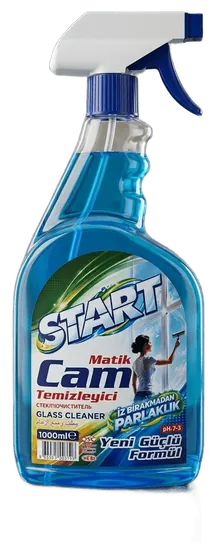
- Finally, spray START Spray Glass Cleaner onto a dry microfibre cloth and polish the glass.
- For using glass cleaner: how to use glass cleaner.
How to remove limescale from a shower enclosure
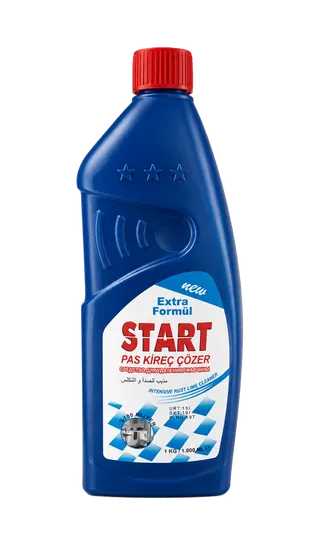
The white marks on shower glass are limescale left by hard water and do not come off with daily cleaning. START limescale and rust remover is applied to the glass only, on a damp sponge or cloth, left for the time on the label, wiped and rinsed with plenty of water. Do not let the product touch the profiles, hinges, handles, taps or an acrylic or enamel tray; rinse any splashes off immediately with plenty of water. Wear gloves and safety goggles and ventilate the bathroom while working. Repeat for stubborn limescale; do not scrape the glass with hard objects. For details, see the guide how to use limescale remover.
Profiles, hinges and handles
Wipe aluminium and chrome-plated profiles, hinges and handles with a soft cloth dampened with START all-purpose surface cleaner added to lukewarm water in the amount on the label, then dry with a dry cloth. Remove dirt from the bottom channels of the profiles with a soft brush. Do not use limescale remover, hydrochloric acid, bleach, abrasive cream or steel wool on these surfaces; they dull and stain. For stainless steel parts, see the guide how to clean stainless steel.
Shower tray
- Ceramic tray: apply bathroom and toilet cleaner, leave it for the time on the label, wipe with a soft sponge and rinse with plenty of water; for limescale on the tray, limescale remover may be applied to the ceramic surface only.
- Acrylic tray: clean with a diluted neutral surface cleaner and a soft sponge; do not use limescale remover, abrasive cream or a hard scourer.
- Enamel tray: acidic products permanently dull enamel; use a neutral cleaner.
- Clean hair and dirt from the tray's drain by removing the strainer; for odours coming from the drain, an enzyme odour remover can be used (how to get rid of drain odours).
- For detailed cleaning of shower drains and linear drains: how to clean a bathroom drain.
- For showers over a bath: how to clean a bathtub.
- For cleaning a shower tray according to its material: how to clean a shower tray.
How to clean shower silicone
Over time, black and brown marks form in the silicone between the glass and the tray. Wipe the silicone with a damp cloth and a neutral cleaner, dry the silicone after showering and ventilate the bathroom; staining slows down as humidity falls. Black marks that have penetrated the silicone may not come out with cleaning; in that case the old silicone is removed and new silicone applied. For the tile joints inside the shower, a grout cleaner such as START Sihirli Su can be used (how to clean grout).
Why does a shower enclosure turn yellow and dark?
- Limescale and soap film: limescale and soap residue building up on the glass and frames turn dull and yellowish over time; regular cleaning removes this layer.
- Ageing of acrylic and plastic parts: acrylic panels, plastic frames and seals can yellow with light and time; this is ageing of the material and does not go away with cleaning.
- Darkening of silicone edges: dark stains form on silicone that stays damp, together with soap residue and dirt; stains that have soaked in do not come out with cleaning and the silicone needs to be renewed.
- Lack of ventilation: moisture left in the bathroom after showering increases limescale, darkening and odour; wipe the glass and tray after showering and ventilate the bathroom.
Slowing down new limescale
- Wipe the glass with a squeegee or a dry microfibre cloth after every shower.
- Leave the enclosure door open after showering and ventilate the bathroom.
- Wipe the glass with a neutral cleaner once a week; limescale comes off more easily if it is removed before it thickens.
- Do not lean shampoo and shower gel bottles against the glass and profiles; liquid left at the bottom leaves marks.
What not to do
- Applying limescale remover to the profiles, hinges, taps, or an acrylic or enamel tray.
- Using steel wool, metal scrapers or abrasive cream on the glass and profiles.
- Mixing limescale remover with bleach or other cleaning products (can cleaning products be mixed).
- Working with acidic products in a closed, unventilated bathroom.
- Using products the manufacturer does not allow on coated glass.
- For the safe use of hydrochloric acid: how to use hydrochloric acid.
For hotels, gyms and dormitories
In the showers of hotel rooms, gyms and dormitories, enclosures are used all day; drying the glass with a squeegee every day and removing limescale weekly makes cleaning easier. START Spray Glass Cleaner is produced in 1 L and START All-Purpose Surface Cleaner in 5 L packs. For product lists, see the guides Hotel cleaning supplies list and Gym cleaning supplies, and for bulk purchases you can request a quote.