Guide · Bathroom, toilet and limescale ·
How to Clean a Bathtub
In a bathtub, soap residue, limescale and body oils combine to form a grey ring at the water line and, over time, yellowing. Cleaning a bathtub properly starts with knowing its material: enamel tubs are permanently dulled by acid, while acrylic tubs scratch easily with abrasives. This guide explains how to clean enamel and acrylic bathtubs, bathtub silicone and the drain.
Find out what type of bathtub you have
- Enamel bathtub: a steel or cast iron body coated with glass-based enamel; acidic products can permanently remove the shine of the enamel.
- Acrylic bathtub: light and warm to the touch; abrasive products, steel wool and solvents scratch and dull the surface.
- How can you tell? A magnet sticks to steel and cast iron enamel tubs but not to acrylic tubs.
- The bathtub manufacturer's care instructions always take priority.
How to clean a bathtub: step by step
- Wet it: wet the tub with lukewarm water and pick up hair and debris.
- Prepare a neutral cleaner: add a neutral surface cleaner or a little dishwashing liquid to lukewarm water at the amount on the label.
- Wipe with a soft sponge: starting with the ring at the water line, wipe the inside, the edges and the outer side panel with a soft sponge.
- Rinse with plenty of water: rinse off product residue; detergent left in the tub makes the surface slippery.
- Dry: dry the tub and tap with a microfibre cloth; regular drying prevents limescale and soap marks.
How to clean an enamel bathtub?
An enamel bathtub is cleaned with a neutral cleaner or lukewarm water with dishwashing liquid and a soft sponge. Acidic products such as limescale removers, hydrochloric acid and bathroom and toilet cleaners can permanently remove the shine of the enamel and are not used on enamel tubs (how to use limescale remover). For stubborn soap marks, mineral cream cleaner can be used with a soft sponge after testing on a small hidden area; steel wool and abrasive powder scratch enamel.
How to clean an acrylic bathtub?
An acrylic bathtub is cleaned only with a neutral cleaner and a soft sponge or microfibre cloth. Abrasive creams and powders, steel wool and solvents such as acetone and thinner scratch and dull acrylic. If you need to use a cream cleaner, test it first on a small hidden area and check the bathtub manufacturer's advice.
How to clean a yellowed bathtub?
Yellowing in a bathtub is mostly a layer built up from soap, limescale and dirt and fades with regular cleaning. On enamel and acrylic tubs this layer is removed with a neutral cleaner, a soft sponge and, if needed, a cream cleaner tested on a small area. On enamel tubs that are worn, scratched or very old, and on acrylic that has yellowed with age, discolouration may not disappear with cleaning; in that case, consult a company that offers bathtub refinishing.
How to remove limescale from a bathtub?
Limescale marks in a bathtub form mostly under the tap and at the water line. Limescale remover is not used on enamel and acrylic tubs; the marks are removed regularly with a neutral cleaner and a soft sponge, and if the tub is dried after each use, limescale does not build up. For stubborn limescale, use a product approved by the bathtub manufacturer. On the ceramic tiles around the tub, limescale and rust remover is applied to the tiles only; keep the product off the tub and the tap.
How to clean bathtub silicone?
Over time, black and brown stains form on the silicone seal between the tub and the tiles. Wipe the silicone with a damp cloth and a neutral cleaner, ventilate the bathroom after each use and dry the silicone. Black stains that have penetrated the silicone may not come out with cleaning; in that case the old silicone is removed and a new bead applied. For tile joints, see how to clean grout.
Bathtub drain and glass screen
- Regularly remove hair and soap build-up from the drain strainer; for drain odour, an enzyme odour remover can be used (how to get rid of drain odours).
- Do not use different chemical products one after another in a blocked drain; if the blockage does not clear, call a plumber (how to clean a bathroom sink).
- For limescale on a glass bath screen, follow the shower screen steps in how to clean a bathroom; do not let limescale remover used on the glass run into the tub.
- For the curtain of the bath or shower tray: how to wash a shower curtain.
- For acrylic, ceramic and stone-effect shower trays: how to clean a shower tray.
- For whirlpool and hydromassage baths: how to clean a whirlpool bath.
- For what cream cleaner is and where it is used: what is cream cleaner.
What not to do with a bathtub
- Using limescale remover, hydrochloric acid and bathroom and toilet cleaner on enamel and acrylic tubs.
- Using steel wool, abrasive powder and hard brushes.
- Using solvents such as acetone and thinner on acrylic tubs.
- Using bleach at the same time as an acidic cleaner: harmful gas forms.
- Leaving detergent residue in the tub: the surface becomes slippery.
For hotels and businesses
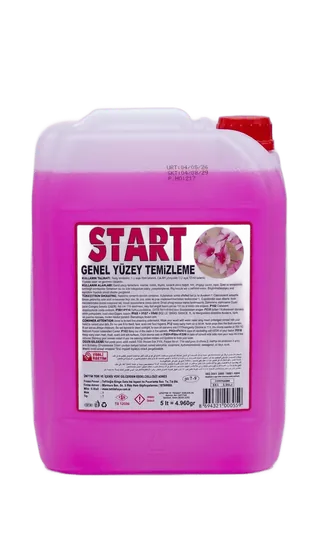
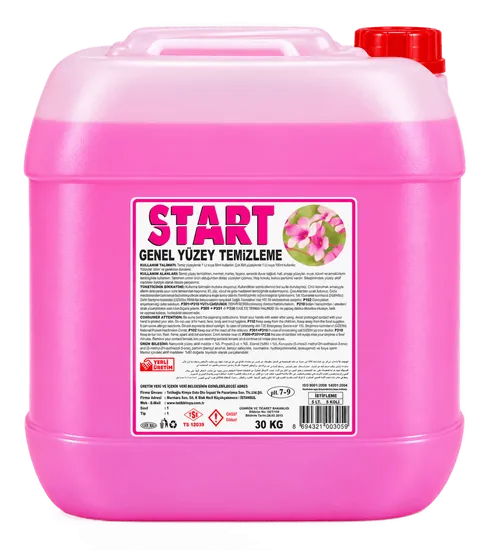
In hotel room bathrooms, tubs are cleaned after every stay; on enamel and acrylic tubs a neutral cleaner protects the surface and makes housekeeping easier. START all-purpose surface cleaner is produced in a 5 L pack and START Mineral Liquid Cream Cleaner in a 750 g pack. For the order of hotel room cleaning, see how to clean a hotel room, and request a quote for bulk purchases.