Guide · House cleaning plan ·
How to Clean a Child's Room
Toys, books, crayons and textiles all sit together in a child's room; pen marks build up on the walls, sticky stains on the desk, crumbs and play dough on the rug and dust on the shelves. When cleaning a child's room, the main rule is to leave no product residue on surfaces children touch and to keep cleaning products where children cannot reach them. This guide explains how to clean a child's room and a baby's room and how to deal with toys, walls, play mats and textiles. For the general bedroom routine, see the guide how to clean a bedroom.
Safety when cleaning a child's room
- Do not clean while the child is in the room: clean when the child is out of the room and ventilate until the surfaces are dry.
- Keep products out of reach: do not leave cleaning products unattended even while using them; when you finish, put them away out of children's reach in their original packaging.
- Apply the product to a cloth: do not spray products directly onto surfaces and toys.
- Leave no residue: wipe surfaces cleaned with a cleaner once more with a cloth dampened with clean water, then dry them.
- Do not mix products: never mix different cleaning products (can cleaning products be mixed).
How to clean a child's room: step by step
- Pick up toys, books and clothes from the floor and put them away.
- Dust lamps, shelves and the tops of cupboards with a dry microfibre.
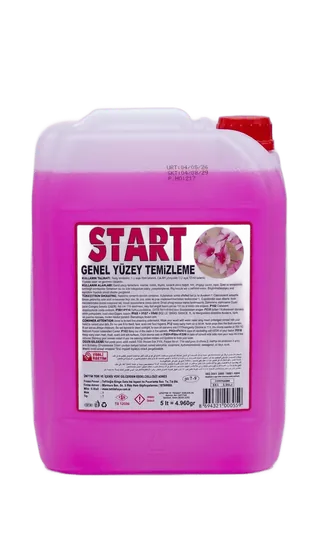
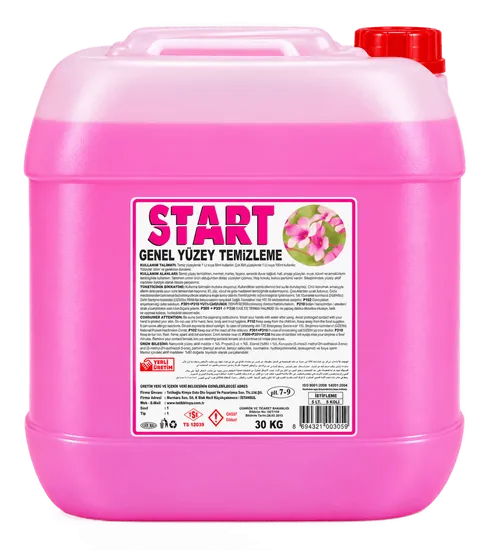
- Wipe the furniture, desk and chair with a well wrung cloth dampened in lukewarm water with START all-purpose surface cleaner added in the amount on the label; then wipe with a clean damp cloth and dry. According to its safety data sheet, START Genel Yüzey Temizleyici has a pH of 7–8.
- Wipe door handles, light switches and cupboard handles with a well wrung cloth.
- Vacuum the rug and floor; mop the floor according to its type and let it dry (what to mop floors with).
- Ventilate the room and let the child back in only once the surfaces are dry.
Toys and toy shelves
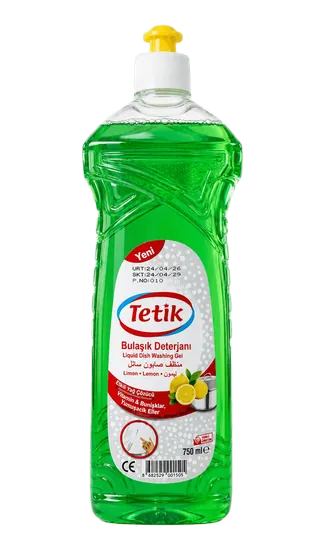
- Wash plastic toys with lukewarm water and a small amount of TETİK dishwashing liquid, rinse well and dry (how to clean toys).
- Do not put battery-powered and electronic toys in water; take out the batteries and wipe them only with a well wrung cloth.
- Wash soft toys according to their label (how to wash soft toys).
- Empty toy boxes and shelves, wipe them with diluted surface cleaner and put the toys back once they are dry.
- Set aside broken, cracked toys or toys with missing parts.
Pen, paint and sticky marks on walls and desks
- For felt-tip pen marks, see the guide how to remove felt-tip pen stains.
- For crayon and wax crayon marks, see the guide how to remove crayon stains.
- For ballpoint pen marks, see the guide how to remove ballpoint pen ink.
- For slime and play dough, see the guide how to remove slime stains.
- For stickers and label adhesive, see the guide how to remove sticker residue.
- On painted walls, test first in a hidden spot and do not rub the wall (how to clean walls).
Play mats and rugs
- Take EVA and foam puzzle mats apart and wipe them with a soft sponge, lukewarm water and a small amount of TETİK dishwashing liquid, rinse and dry completely.
- Wash fabric play mats according to their label; if the label does not allow it, only vacuum them and wipe with a slightly damp cloth.
- Vacuum the child's room rug often; for stains, see the guide how to use carpet shampoo.
- Do not use the rug or mat until it is completely dry.
How to clean a baby's room
In a baby's room, the cot, changing table, high chair and baby textiles stand out. Wipe the surfaces of the cot and changing table with a well wrung cloth and diluted START all-purpose surface cleaner, remove product residue with a clean damp cloth and dry (how to clean a cot). For the high chair, see how to clean a high chair, and for the pushchair how to clean a pushchair. For choosing products and washing baby textiles, follow the garment label; for questions about sensitivity or health, consult your paediatrician.
Textiles, cupboards and school things
- Wash bed linen, pillows and blankets according to their label (how to wash bed linen).
- If you use a mattress protector, wash it according to its label (how to wash a mattress protector).
- Wash curtains and cushions according to their label (how to wash cushions).
- Empty and wipe wardrobes and drawers at the change of season; set aside clothes that no longer fit (how to clean inside cupboards).
- For school bags and lunch bags, see the guides how to wash a school bag and how to clean a lunch bag.
Child's room cleaning checklist
- Every day: tidy up toys, sweep up crumbs, wipe the desk.
- Once a week: dust, clean the rug and floor, change the bed linen, wash frequently used toys.
- Once a month: wipe toy boxes, shelves, door handles and skirting boards.
- Seasonal: sort out cupboards; wash curtains, blankets and the rug (how to spring clean).
What not to do
- Leaving cleaning products in the child's room or anywhere the child can reach.
- Spraying products while the child is in the room.
- Leaving product residue on toys and furniture.
- Using bleach, degreaser or hydrochloric acid in a child's room.
- Putting battery-powered toys in water.
For nurseries and kindergartens
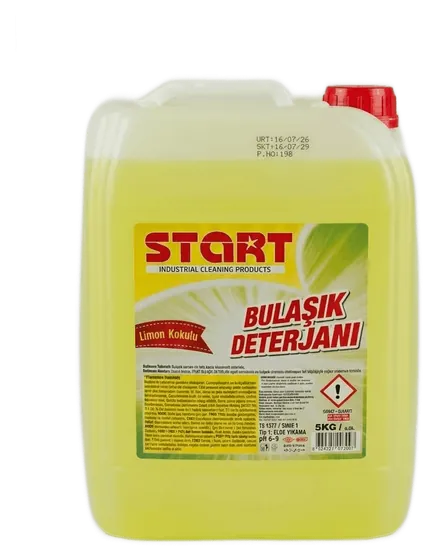
In nurseries and kindergartens, playrooms, sleep rooms and toys are used heavily every day; cleaning while the children are out of the room, washing toys in rotation and keeping products in a locked cupboard keeps the work organised. Where hygiene and disinfection are required, follow your institution's hygiene procedure. For details, see the guides how to clean a nursery and School cleaning supplies list. START all-purpose surface cleaner is produced in 5 l and TETİK dishwashing liquid in 750 g, 5 kg, 20 kg and 30 kg packs; for bulk purchases you can request a quote.