Guide · Cleaning for businesses ·
School Cleaning Supplies List
In schools, classrooms, toilets and canteens used by hundreds of pupils are cleaned every day, so both the right product and the right quantity matter when buying cleaning supplies. This list sets out school cleaning supplies area by area, with short notes on purchasing and safe storage.
What are school cleaning supplies?
Classrooms and corridors
Surface cleaner for floors, desks and doors; in wide corridors with a floor scrubber, a floor scrubber surface cleaner.
Glass cleaner for window and door glass.
Toilets and washbasins
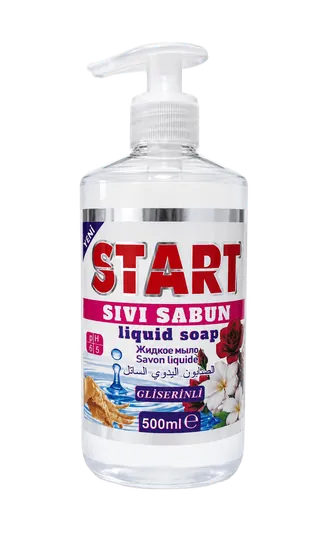
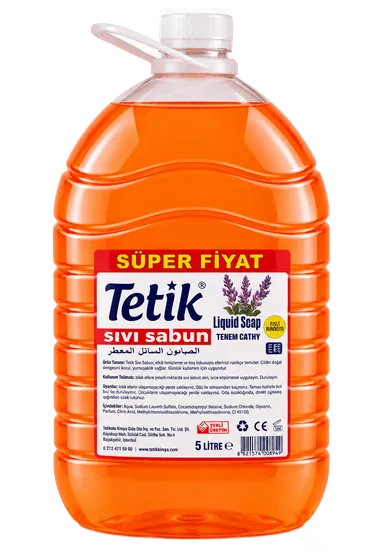
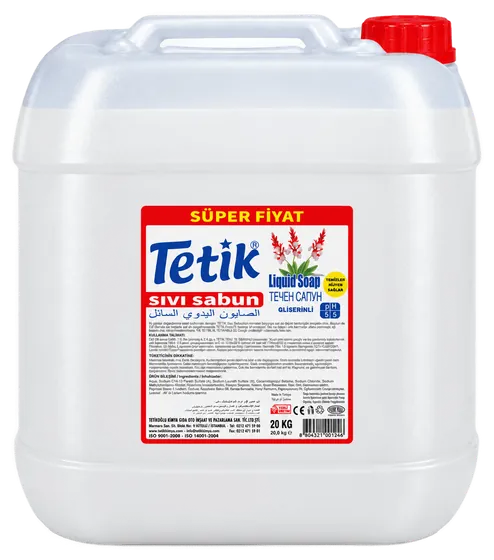
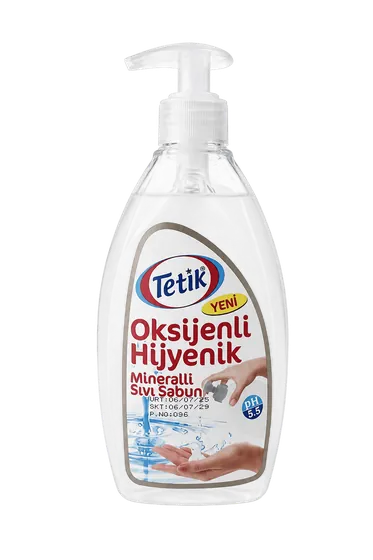
Liquid hand soap for washbasins; keeping dispensers full matters for pupils' handwashing habits.
Bathroom & toilet cleaner for toilets, urinals and tiles, and bleach as directed on the label.
Canteen and tuck shop
Dishwashing liquid for hand washing, dishwasher detergent and rinse aid where there is an industrial machine, and degreaser for hobs and ovens.
Gym and changing rooms
Surface cleaner for floors, limescale remover for limescale in shower areas, and enzyme odour remover for bad odours.
How to plan a school's cleaning supply needs
- Count the areas: list the number of classrooms, toilets, washbasins, corridors, canteens and gyms, and which products each area uses.
- Measure consumption: record how much of each product is used over a month and calculate the term's needs from that record.
- Choose the packaging: for frequently used liquid soap, surface cleaner and bleach, 5–30 kg drums with distribution in small bottles for classrooms are practical.
- Stock and storage: keep at least one month's stock; in a locked storeroom, keep acidic and chlorine products on separate shelves.
- Assign responsibility: write down who receives and distributes the supplies and who keeps the consumption record.
- For where and how to buy detergent wholesale: where to buy wholesale detergent.
- For choosing liquid soap packaging, colours and certificates, see our wholesale liquid soap guide.
Cleaning frequency and daily plan at school
- Every break or several times a day: Toilets and washbasins; soap and paper-towel dispensers are checked, and wet floors are dried.
- Every day after lessons: Classroom floors, desks, door handles, stair rails, dining-hall tables and bins.
- Weekly: Windows, window sills, doors, tops of cupboards, radiators and the gym floor.
- At the start of term and in holidays: General cleaning: wiping walls, curtains, light fittings, renewing floor polish and taking stock of the store.
- The frequencies are examples; the school management sets the plan according to the number of pupils and how heavily each area is used, and products are applied in the amount given on the label.
Safe storage and use
- Store cleaning supplies in a locked cupboard or storeroom that pupils cannot reach.
- Keep products in their original labelled packaging; never transfer them into empty drink bottles.
- Clean outside lesson times where possible and ventilate enclosed areas.
- Do not mix products together; for details see our article can cleaning products be mixed.
- For the steps of classroom, toilet and corridor cleaning and a daily plan: how to clean a school.
- For whiteboards and erasers in classrooms: how to clean a whiteboard.
- For school desks and chairs: how to clean school desks.
- For pleated school skirts and uniforms: how to wash a pleated skirt.
- For crayon stains on desks, walls and carpets: how to remove crayon stains.
- For nurseries and kindergartens: how to clean a nursery.
Pupil safety with the cleaning products used in schools
- Mildly scented products: A strong smell lingering in the classroom leads to headache complaints; clean outside lesson hours where possible and air the room.
- Labelled small bottles: Product decanted from a large drum is always labelled with the product name; it is never put into a water bottle.
- Locked store: Products are kept in a locked cupboard out of pupils' reach; the cleaning trolley is not left unattended in the corridor.
- Staff protection: Gloves, and safety goggles with corrosive products; safety data sheets are filed in the store and in the administration office.
- Products pupils use: Only liquid hand soap at the washbasins; toilet cleaner, limescale remover and bleach are kept where pupils cannot reach them.
- In case of an accident: Product that touches the eyes or skin is washed off at once with plenty of water for a long time, medical help is sought and the first-aid instructions on the label are followed.
Documents required in school purchasing
Public school purchases often require proof of conformity to standards, domestic production and a safety data sheet. We hold 10 TSE conformity certificates and 8 Domestic Goods certificates for our products; numbers and expiry dates are on the documents and certificates page. For tenders and direct procurement, see our tenders and public institutions page.
Product set for schools: which product, which pack size?
- Classroom and corridor floors: TETİK Surface Cleaner 5–30 kg; if you have a floor scrubber, START Floor Scrubber Surface Cleaner 5, 20 and 30 kg.
- Toilets: START Bathroom & Toilet Cleaner 5, 20 and 30 kg; for limescale, START Limescale & Rust Remover 1–30 kg.
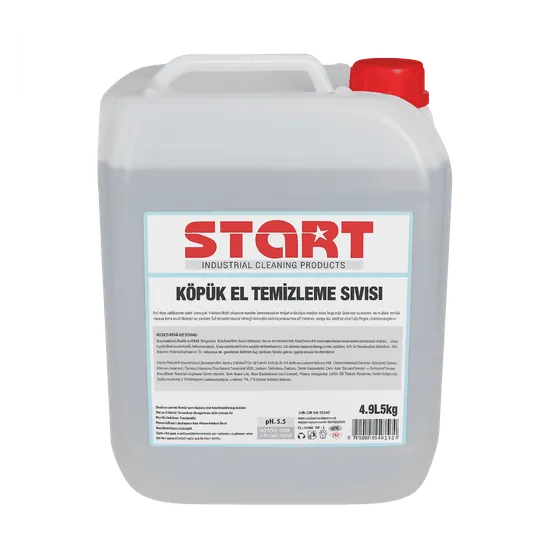
- Washbasin dispensers: TETİK Liquid Hand Soap 5, 20 and 30 kg; for foam pump dispensers, START Foam Hand Soap 5 and 30 kg.
- Glass and windows: START Glass Cleaner from 1 L to 30 kg; for a spray bottle, START Glass Cleaner Spray.
- Canteen: TETİK Dishwashing Liquid 5, 20 and 30 kg; for the dishwasher, START Liquid Dishwasher Detergent and START Liquid Dishwasher Rinse Aid.
- Drain and bin area odours: TETİK Enzyme Odour Remover — Drains 5, 20 and 30 kg.
- Product codes and case quantities are on the product pages; add the products on this list to the quote form to ask for prices in one go.
Quotes for schools
To plan a term's needs in one go, calculate monthly consumption from the number of pupils and choose large packs. For bulk purchases you can request a quote on our wholesale cleaning products page.