Guide · Stain removal ·
How to Remove Shalgam Stains (and Beetroot Stains)
Shalgam is a dark purple-red drink, and red beetroot also leaves an intense colour when it is cut, grated or pickled. Both stains soak quickly into fabric, carpets and porous surfaces, but they usually come out when treated promptly with cold water. Stains washed in hot water, tumble-dried or ironed, however, can become permanent. This guide explains how to remove shalgam and beetroot stains from clothes, jeans, white T-shirts, carpets, sofas and kitchen surfaces. For pomegranate stains, see how to remove pomegranate stains, and for other fruit how to remove fruit stains.
First aid for shalgam and beetroot stains
- Act at once: shalgam and beetroot stains work further into the fabric as they dry.
- Blot: blot spilled shalgam with a clean cloth or paper towel; do not rub.
- Rinse with cold water: rinse the stain from the back of the fabric under cold running water until the colour stops running so much.
- Keep away from heat: do not use hot water, the tumble dryer or the iron until the stain is out.
How to remove shalgam stains from clothes
- Rinse the stain from the back with cold water and blot off the excess water.
- Apply a stain remover such as İLK BOR Leke Sihirbazı directly to the stain and leave it for the time on the label; do not let it dry.
- On clothing stains, TETİK Kar Aspirin can also be applied to the stain as on its label and rubbed gently (what Kar Aspirin is used for).
- Wash the item on the programme suited to the fabric label with a detergent such as TETİK detergent for coloureds.
- Check the stain before drying; if a mark remains, repeat the pre-treatment.
- On coloured and delicate fabrics, test the product on a small hidden area first (how to use stain remover).
Shalgam stains on jeans
The dark dye of denim may hide a shalgam stain for a while, but the stain stays in the fabric. Turn the jeans inside out and rinse the stain with cold water, test the stain remover first on the inside of the leg, then apply it to the stain and leave it for the time on the label. Wash the jeans inside out, with coloureds and at the temperature on the label. Do not use bleach on denim; it lightens the colour and leaves white patches. For denim care, see the guide how to wash jeans.
Shalgam stains on white T-shirts
On white T-shirts and shirts, first follow the steps above and wash with TETİK detergent for whites at the temperature the label allows. If a mark remains, bleach can be used in the amount on its pack only on white cotton and linen whose label allows it; do not mix bleach with stain remover or other products. Bleach is not used on polyester and elastane-blend whites. For T-shirt care, see the guide how to wash a t-shirt.
How to remove beetroot stains
Juice that splashes while cutting, grating or pickling red beetroot leaves a dark red-purple mark on clothes like a shalgam stain and is removed in the same way: rinse it with cold water without delay, pre-treat it with a stain remover and wash the item on the programme suited to its fabric label. Wearing an apron and gloves when preparing beetroot protects both clothes and hands (how to wash an apron). Beetroot colour on the hands fades with washing in soap and water; do not use bleach or stain remover on the skin.
How to remove shalgam stains from carpet
- Blot spilled shalgam at once with a clean white cloth; do not rub.
- Apply a little cold water to the stain and blot again; do not over-wet the carpet.
- Apply a small amount of a carpet-safe stain remover such as TETİK Binbir Stain Remover to the stain and blot it with a clean cloth, working from the outside of the stain inwards.
- Remove the foam with a clean damp cloth and wait until the carpet is thoroughly dry; if the stain remains, repeat.
- Test first on a hidden corner against colour bleeding; send valuable, wool and hand-woven rugs to a professional carpet cleaner.
- On fabric sofas, apply TETİK Kar Aspirin to a clean cloth and blot the stain; Kar Aspirin's label includes use on sofas and upholstery.
Dried shalgam and beetroot stains
First moisten the dried stain with cold water, apply the stain remover, leave it for the time on the label and wash the item; if the stain has not fully gone, repeat before drying. On a dried stain in a carpet, you may need to repeat the treatment with a carpet-safe stain remover several times. Old shalgam and beetroot stains that have been washed in hot water, dried or ironed may not come out completely.
Kitchen surfaces and containers
- Wipe up shalgam and beetroot juice spilled on the worktop without delay.
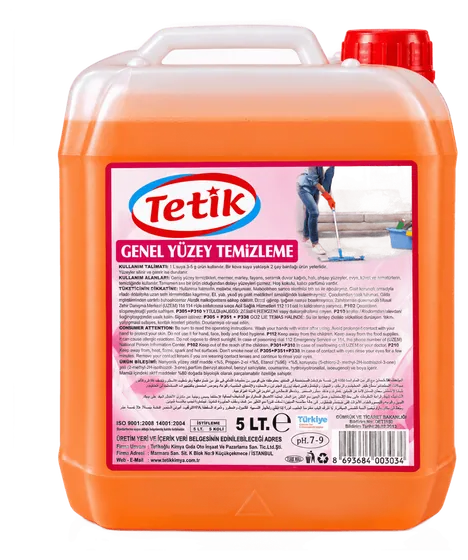
- Wipe laminate, quartz and painted surfaces with a microfibre dampened with diluted START all-purpose surface cleaner and wrung out well. According to its safety data sheet, START Genel Yüzey Temizleyici has a pH of 7–8.
- Do not leave vinegar-based pickle brine standing on marble and natural stone worktops; wipe it up at once (how to clean marble).
- Wash the chopping board, grater and plastic containers used for beetroot with lukewarm water and a small amount of TETİK dishwashing liquid (how to clean a chopping board).
- For stains on tablecloths, see the guide how to wash a tablecloth.
What not to do
- Rubbing the shalgam stain: it spreads and works into the fibres.
- Pouring hot water on the stain or washing the stained item in hot water: shalgam and beetroot stains may set.
- Tumble-drying on heat or ironing before the stain is gone.
- Using bleach on denim, coloured and synthetic fabrics.
- Trying home mixtures such as lemon, vinegar, salt and bicarbonate of soda: they can damage the colour and texture of the fabric.
- Mixing stain remover with bleach or other cleaning products (can cleaning products be mixed).
For kebab houses, restaurants and hotel kitchens
In kebab houses and restaurants that serve shalgam, and in hotel and restaurant kitchens where beetroot salads and pickles are prepared, shalgam and beetroot stains appear mostly on tablecloths, napkins, aprons and chef's clothing. Setting stained textiles aside promptly, rinsing them in cold water and pre-treating them prevents stains from becoming permanent; in laundries the dosing is set by the machine manufacturer or service company. İLK BOR Leke Sihirbazı is produced in 1 l, TETİK Kar Aspirin in 750 g, 5 kg and 30 kg and TETİK Binbir Stain Remover in 30 kg packs. For product lists, see the guides restaurant cleaning supplies and Laundry supplies and chemicals, and for bulk purchases you can request a quote.