Guide · Kitchen and dishes ·
How to Clean a Food Chopper
Scraps of chopped onion, garlic, walnuts and vegetables stick under the blade, at the bottom of the bowl and inside the lid of a food chopper, and become harder to remove as they dry. Because the bowl, lid and blade touch food, they are washed with dishwashing liquid; the motor unit, however, is never put in water. This guide explains how to clean the blade, bowl and motor unit of a food chopper. For blenders, see the guide how to clean a blender.
Before you start
- Unplug it: pull out the food chopper's plug before you start cleaning.
- Remove the motor unit: lift the motor unit off the bowl as shown in the manual.
- Mind the blade: the chopper blade is very sharp; hold it by its plastic hub and do not wipe it with your bare hands.
- Keep the motor unit out of water: the motor unit and cable are not put in water or held under the tap.
How to clean a food chopper: step by step
- Straight after use, empty the bowl and remove the blade by pulling it upwards off its spindle.
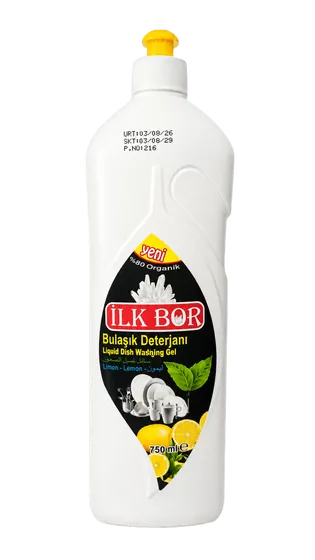
- Wash the bowl, lid and blade with lukewarm water and a little TETİK dishwashing liquid using a soft sponge.
- Clean the underside of the blade and the spindle seat in the middle of the bowl with a bottle brush.
- Rinse the parts with plenty of water, dry them and reassemble them only once they are completely dry.
- If the manufacturer allows it, you can wash the bowl, lid and blade in the dishwasher.
How to clean a food chopper blade
On a chopper blade, residue collects mostly inside the hub where the blades meet and on its underside. Hold the blade by its plastic hub and leave it briefly in lukewarm soapy water, then brush the inside of the hub and between the blades with a bottle brush; do not wipe the sharp edges with a cloth. Dry the blade straight after washing. A rusty or blunt blade cannot be restored by cleaning; because it touches food, use the manufacturer's spare part and do not use rust removers or bleach.
Bowl, lid and seal
- Wash the bowl without delay after chopping onions, garlic and spices; residue sticks more as it dries.
- Brightly coloured foods such as carrots, beetroot and turmeric can leave colour on a plastic bowl; this colour may not always come off completely.
- Do not use steel wool, abrasive creams or bleach on a plastic bowl; scratched plastic turns cloudy.
- Protect a glass bowl from sudden temperature changes; do not pour cold water onto hot glass.
- If the lid has a seal, remove it as described in the manual, wash it separately and refit it once it is dry.
Motor unit
- With the chopper unplugged, wipe the motor unit with a well-wrung cloth dampened in lukewarm water with START all-purpose surface cleaner added at the dose on the label, then dry it. According to its safety data sheet, START Genel Yüzey Temizleyici has a pH of 7–8.
- Remove residue from the coupling on the underside of the motor unit with a cloth dampened with dishwashing liquid.
- Do not let liquid get into the button, ventilation openings or cable inlet.
What not to do
- Putting the motor unit in water or holding it under the tap.
- Wiping the chopper blade with your bare hands.
- Leaving residue to dry in the bowl.
- Using abrasives, steel wool or bleach on a plastic bowl.
- Assembling the parts and putting them away while still wet.
For restaurants and cafés
In restaurant and café kitchens, food choppers are used one after another for different ingredients during the day; washing the bowl and blade when changing ingredients and taking the parts apart to clean them at the end of the day prevents residue from building up. For commercial choppers, follow the manufacturer's instructions for dismantling and cleaning. For food safety rules, follow your business's procedure. For meat grinders, see the guide how to clean a meat grinder. TETİK dishwashing liquid is produced in 750 g, 5 kg, 20 kg and 30 kg packs; for bulk purchases you can request a quote.