Guide · Kitchen and dishes ·
How to Clean a Juicer
In a juicer, fruit pulp sticks in the fine holes of the filter, in the corners of the bowl and between the seals; as the fruit sugar dries, this residue hardens and becomes harder to remove. Rinsing the juicer straight after use makes cleaning much easier. This guide explains how to clean the parts and the motor base of centrifugal juicers, slow juicers and citrus juicers. For blenders, see the guide how to clean a blender.
Before you start
- Unplug it: switch the juicer off and pull out the plug.
- Check the manual: the user manual explains how to take the parts apart and which ones are dishwasher-safe.
- Mind the blade: do not wipe the blade disc or the grater with your bare hands; use a brush.
- Keep the motor base out of water: the motor base is only wiped with a slightly damp cloth.
How to clean a juicer: step by step
- Empty the pulp from the pulp container straight after use.
- Remove the detachable parts (lid, bowl, filter, pulp container and jug) as described in the manual.
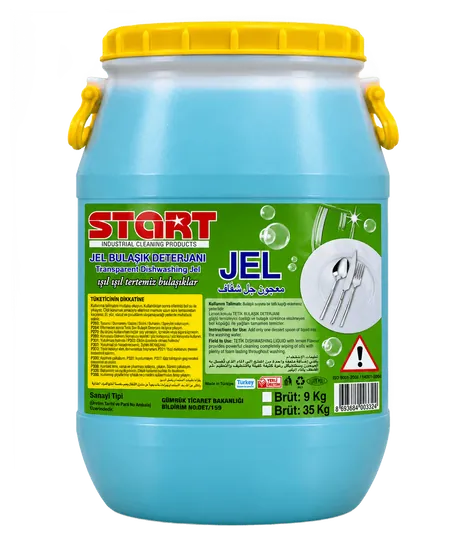
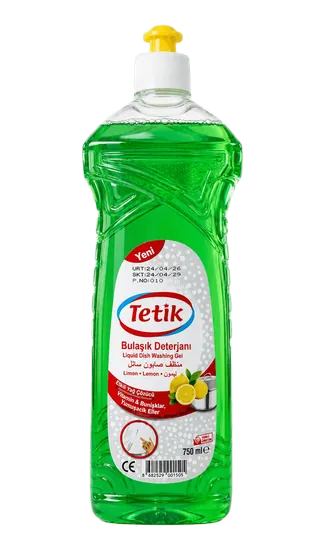
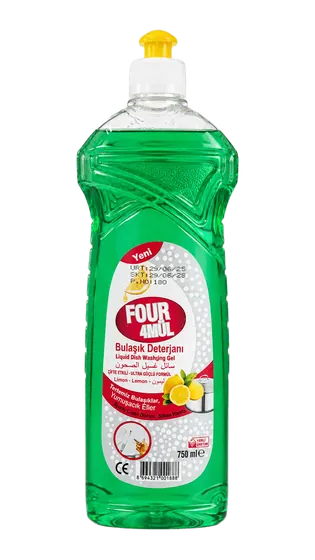
- Wash the parts with lukewarm water and a little TETİK dishwashing liquid.
- Brush the pulp out of the filter holes with a soft brush, holding the filter under running water.
- Rinse all the parts with plenty of water, dry them and reassemble them only once they are completely dry.
- If the manufacturer allows it, you can wash the parts in the dishwasher.
Filter and blade disc
The filter is the part of a juicer that holds the most residue; if its fine holes clog with pulp, the juicer yields less juice. Rinse the filter with water straight after use; for dried pulp, soak it briefly in lukewarm soapy water and brush both sides with a fine, soft brush. Do not wipe the sharp surfaces of the blade disc and grater by hand; clean them with a brush. Do not use steel wool or abrasives on a metal filter; the holes can be damaged.
Centrifugal juicers and slow juicers
- On a centrifugal juicer, empty and rinse the pulp container and the edges of the bowl after every use.
- Remove the auger (screw) of the slow juicer and clean the pulp out of its grooves with a soft brush.
- Remove the seals and silicone parts as described in the manual and wash them in lukewarm soapy water; do not refit them until they are completely dry.
- Brush the juice spout and the anti-drip cap separately.
- Before using the juicer, make sure all the parts are fitted correctly.
How to clean a citrus juicer
Remove the cone, filter and bowl of an electric citrus juicer, wash them with lukewarm water and a little dishwashing liquid, rinse and dry them; wipe the motor base only with a slightly damp cloth. Plastic, glass and stainless steel manual citrus juicers can be washed directly in lukewarm soapy water. The oil from citrus peel can leave a sticky film on plastic; to remove it, soak the part in lukewarm soapy water and wash it with a soft sponge.
Colour stains and the motor base
- Brightly coloured fruit and vegetables such as carrots, beetroot and blackberries can leave colour on plastic parts; this colour comes off more easily if the parts are washed without delay, but it may not always disappear completely.
- Do not use bleach or abrasives on stained plastic parts.
- With the juicer unplugged, wipe the motor base with a well-wrung cloth dampened in lukewarm water with START all-purpose surface cleaner added at the dose on the label, then dry it. According to its safety data sheet, START Genel Yüzey Temizleyici has a pH of 7–8.
- Do not let liquid get into the buttons, ventilation openings or cable inlet.
- For fruit stains, see how to remove fruit stains.
- For food choppers and meat grinders: how to clean a food chopper, how to clean a meat grinder.
What not to do
- Putting the motor base in water or washing it under the tap.
- Wiping the blade disc with your bare hands.
- Leaving pulp to dry in the juicer.
- Using steel wool or abrasives on the filter.
- Washing the parts in the dishwasher without the manufacturer's permission.
For cafés, juice bars and hotels
In cafés, juice bars and hotel breakfast rooms juicers are used heavily throughout the day; emptying and rinsing the pulp container and filter regularly during the day and taking all the parts apart to wash them at the end of the day helps the appliance work efficiently. For food safety rules, follow your business's procedure and the appliance manufacturer's instructions. For cleaning the whole café, see the guide how to clean a café. TETİK dishwashing liquid is produced in 750 g, 5 kg, 20 kg and 30 kg packs; for bulk purchases you can request a quote.