Guide · Bathroom, toilet and limescale ·
What Makes a Toilet Turn Yellow?
Yellowing in a toilet usually comes not from dirt but from limescale in hard water, urine scale left by urine, iron and rust in the water, or the plastic seat changing colour over time. Knowing the cause makes it easier to choose the right product: limescale and urine scale do not come off with a daily cleaner, while a change in the colour of the plastic seat itself cannot be reversed by cleaning. This guide explains why a toilet turns yellow and dark, what causes yellowing inside the toilet, in the water and on the seat, and what you can do to prevent it.
Why does a toilet turn yellow?
- Limescale: minerals in hard water leave a yellow-brown layer at the water line and on the inside of the bowl.
- Urine scale: urine residue combines with limescale to form a hard yellowish layer below the water line and at the outlet.
- Iron-rich or rusty water: iron in the water and rust in the pipes leave orange-brown streaks where the water runs.
- Infrequent use: in a toilet that is rarely used, a ring forms at the water line as the water evaporates.
- Plastic seat: a plastic seat turns yellow over time through light, heat and chemicals.
- Scratched surface: abrasive powder and steel wool scratch the ceramic; a scratched surface gets dirty faster and holds colour.
Why does the inside of a toilet turn yellow?
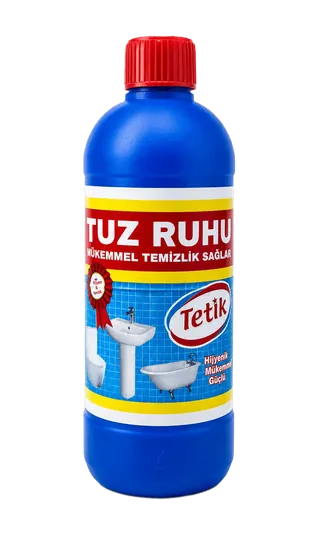
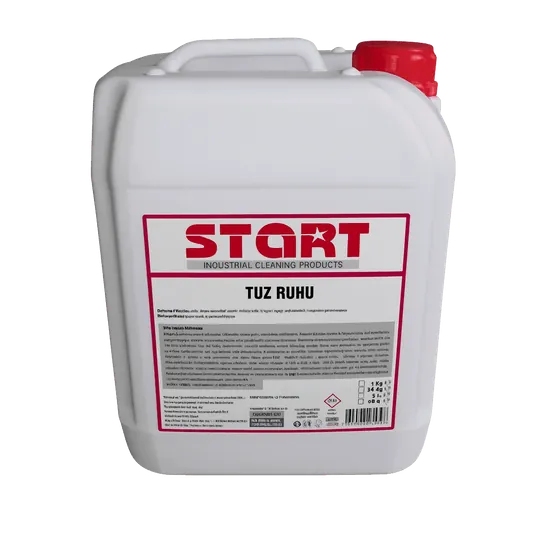
The yellow-brown layer seen where water runs inside the bowl and at the water line is usually limescale and urine scale; it does not come off with a daily cleaner. A limescale and rust remover is used for it: apply the product only to the ceramic inside surface, leave it for the time on the label, scrub with the toilet brush and flush. Repeat on thick layers; do not scrape with hard objects, as the ceramic scratches. Bleach does not dissolve limescale or urine scale; do not use bleach together with acidic products or one after the other without rinsing in between. Step-by-step instructions: how to clean a toilet and how to use limescale remover.
Why is the toilet water yellow?
If the water coming from the cistern looks yellow or brown, the cause is usually iron in the mains water, rust in the pipes or rusting metal parts inside the cistern. In plumbing that has not been used for a long time, the first water can also be coloured; flush a few times and see whether the water runs clear. Coloured tablets put in the cistern also colour the water. If the colour persists and the tap water is coloured too, contact the water utility; if it appears only in the toilet, ask a plumber.
Why does a toilet seat turn yellow?
Yellowing on a toilet seat can have two causes: dirt, limescale and product residue building up on the surface make the seat look yellowish and fade with regular, gentle cleaning, while the plastic itself changing colour through light, heat and chemicals cannot be reversed by cleaning. Products used inside the bowl splashing onto the seat can also speed up discolouration. Do not apply bleach, abrasive cream or acidic products to the seat. For details: how to clean a toilet seat.
Why does a toilet get dark rings?
A grey-black ring at the water line of a toilet usually consists of dirt clinging to a layer of limescale and minerals in the water; dark streaks under the rim come from dirt and limescale building up in the holes the water flows through. Clean the inside of the bowl with a bathroom and WC cleaner as directed on the label and scrub well under the rim with a brush; if there is limescale under the dark ring, remove it with limescale and rust remover. For darkening between tiles: how to clean grout.
How to prevent toilet yellowing
- Clean the toilet regularly and scrub under the rim as well.
- Remove limescale with limescale and rust remover as directed on the label before the layer builds up.
- Flush a rarely used toilet now and then so that no ring forms at the water line.
- Do not use hard objects, steel wool or abrasive powder.
- Do not mix bleach with acidic products: can cleaning products be mixed.
- For urinals in business toilets and urine scale: how to clean a urinal.
Choose the right products
A bathroom and WC cleaner is used for daily toilet cleaning, a limescale and rust remover for limescale, urine scale and rust, and surface cleaners for the seat and outer body, as directed on the label; limescale and rust remover is applied only to ceramic surfaces and must not touch chrome, marble or natural stone. Do not mix products with each other. Hotels, shopping centres, schools and offices can request a quote for bulk orders.