Guide · Stain removal ·
How to Remove Soot Stains
Soot is the fine, oily black dust left by smoke from stoves, fireplaces, candles and cooking. It forms grey or black stains on walls, ceilings, curtains and clothes and spreads and grows when wiped straight away with a wet cloth. This guide explains how to remove soot stains from walls, ceilings and fabric and which mistakes make the stain permanent.
How to remove soot stains: the basic rules
- Dry clean first: remove the soot with the vacuum cleaner's brush attachment or a dry sponge before wetting it; wet soot spreads.
- Do not rub: work by dabbing and in one direction; rubbing pushes the soot into the surface.
- Use little moisture: when moving on to wet cleaning, wring the cloth out well.
- Test first: try the method you will use on a small, hidden area.
How to remove soot from walls?
- First remove soot on the wall gently with a dry sponge or a soft brush, working from top to bottom.
- On a washable painted wall, add a neutral surface cleaner to lukewarm water at the amount on the label and wipe in small sections with a well-wrung cloth; according to its safety data sheet, our START all-purpose surface cleaner has a pH of 7–8.
- Remove detergent residue with a clean damp cloth and dry with a dry cloth.
- On a matt-painted wall, only dry clean; if soot remains, touch-up paint gives a better result.
- For paint types and other stains: how to clean walls.
How to remove soot stains from the ceiling
Ceiling paints are usually matt and leave marks when wiped with water. Remove soot from the ceiling with a dry sponge or the vacuum cleaner's brush attachment; when working near light fittings and sockets, switch off the power. Grey shadows left on the ceiling are usually repainted. For heavy soot after a fire, use a professional cleaning service.
Soot cleaning by ceiling type
- Painted plaster and render ceilings: Most ceiling paint is matt; remove the soot only with a dry cleaning sponge or the brush head of the vacuum cleaner, a damp cloth spreads the grey shadow. Remaining marks are touched up with ceiling paint; before painting, the surface must be completely free of soot, otherwise the stain shows through the new paint again.
- Wipeable (washable) painted ceilings: After dry cleaning, wipe in small sections with a well-wrung cloth and warm water with neutral surface cleaner added in the amount on the label; move on to the next section before the previous one dries so that no join marks remain.
- Suspended ceilings and panelling: PVC and laminate panelling is wiped with a damp cloth; plasterboard tiles are dry-cleaned like a painted ceiling; on wood panelling use a wood surface cleaner and do not leave a lacquered surface wet.
- Above the stove pipe and in the corners: Soot collects most where the stove pipe passes and in the ceiling corners; use the narrow nozzle of the vacuum cleaner there first, then a dry sponge.
- Safety: Use a sturdy ladder when working on the ceiling, switch off the power to chandeliers and spotlights, and wear safety goggles so that soot does not fall into your eyes.
- All the steps for wiping a ceiling are in the how to wipe a ceiling guide.
How to remove soot from an exterior wall or garden wall
- Remove it dry first: Soot on an exterior wall, like on an interior wall, is cleaned dry first; it is swept from top to bottom with a soft broom or brush, because loose soot that is not removed before wetting spreads over the wall with rain and water.
- Painted exterior wall: A neutral surface cleaner is added to lukewarm water in the amount on the label, the wall is washed from top to bottom with a soft brush and rinsed with a hose at low pressure; high pressure strips exterior paint and render.
- Brick and stone walls: On porous surfaces soot sinks in deeply; work with a stiff nylon brush and plenty of water, and repeat for thick soot. A pressure washer is used with a wide nozzle and from a distance, never aimed directly at the mortar joints.
- Around barbecues, chimneys and outdoor stoves: Soot that forms regularly is cleaned at the end of the season; soot around a chimney builds up year after year into permanent darkening.
- Rain streaks: Soot carried by rain leaves black streaks on the wall; the streaks are washed the same way, but unless the soot at the source is removed the marks come back.
- Safety and limits: On high walls a platform and a second person are needed instead of a ladder; for clad, natural stone and historic facades a facade cleaning company is called in. For soot and grime around a fireplace see the how to clean a fireplace guide.
How to remove soot from fabric?
- Shake the garment or vacuum the loose soot off the stain; do not rub.
- Apply stain remover to the stain and leave it for a short time; do not let it dry.
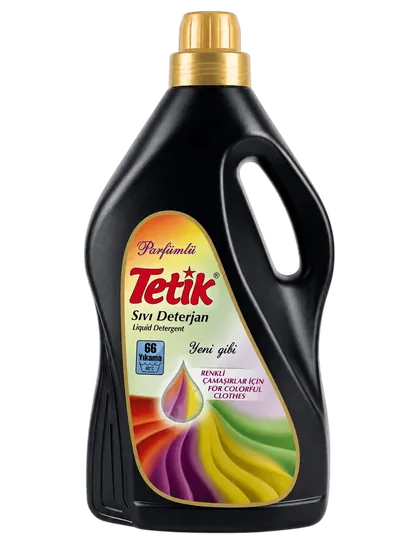
- Wash the garment at the label temperature with a suitable liquid laundry detergent (what temperature to wash clothes).
- If the stain has not come out, do not dry the garment; repeat the pre-treatment and wash again.
- For how to use stain remover: how to use stain remover.
- For ceilings: how to wash a ceiling.
- If the candle wax itself has dripped onto fabric: how to remove candle wax.
Soot on curtains, sofas and carpets
- Curtains: first remove dust and loose soot, then wash according to the label (how to wash curtains); for roller blinds, see how to wash roller blinds.
- Fabric sofa: vacuum the loose soot, apply TETİK Kar Aspirin to a cloth and dab the stain; do not soak the fabric (how to clean a sofa).
- Carpet: vacuum the soot and blot the remaining stain with a small amount of carpet shampoo (how to use carpet shampoo).
How to remove soot from glass: windows, mirrors and glass doors
Because soot on glass is greasy, wiping it with a dry cloth smears it and leaves streaks. First remove the loose soot from the glass with a dry, soft brush or the brush head of the vacuum cleaner; then spray glass cleaner onto a cloth rather than directly onto the glass, wipe in one direction and polish with a second dry microfibre cloth. With heavy greasy soot, wipe with a little warm water and washing-up liquid and rinse before using the glass cleaner; if the frame is painted or wooden, do not let water run onto the frame. The same order applies to mirrors and glass doors; glass lampshades near candles and display-case glass are cleaned the same way. Soot on stove and fireplace glass is combined with tar and needs a separate method, described in the next heading. For product choice see the glass cleaner category, and for application the how to use glass cleaner guide.
Stove and fireplace glass
The source of the soot is often the stove or fireplace; for cleaning soot and tar off the glass, see our guide how to clean stove glass. Wet wood and insufficient air produce more soot; use the fuel recommended by the stove manufacturer.
What not to do with soot stains
- Wiping soot straight away with a wet cloth: the stain spreads and grows.
- Rubbing and using a hard brush.
- Using bleach, degreaser and abrasive products on painted walls.
- Drying or ironing a garment before the stain is out.
- Mixing different cleaning products (can cleaning products be mixed).
For cafés, hotels and cleaning companies
In cafés and hotels with fireplaces and restaurants that use candles, soot on walls and curtains should be included in the regular cleaning plan. Our surface cleaners are produced under the TETİK and START brands in packs from small sizes up to 30 kg; TETİK Liquid Stain Remover and START Stain Remover in 30 kg packs, and İLK BOR Leke Sihirbazı in 1 litre. For the product list, see our guide Supplies for a cleaning company, and request a quote for bulk purchases.