Guide · Product information and safe use ·
What Is a Surfactant?
A surfactant (surface-active agent) is the ingredient that does the real cleaning in detergents: it lowers the surface tension of water so that dirt and grease come away from surfaces. One end of the molecule likes water, the other likes oil; this structure holds grease in water as tiny clusters (micelles) and carries it away with the rinse. This guide explains the types of surfactant, what they do in which product and how they differ from soap; for the production process see our guide how is detergent made.
How does a surfactant clean?
- Wetting: lowers the surface tension of water; instead of staying as droplets, water spreads over the surface and gets under the dirt.
- Lifting dirt: the oil-loving end attaches to grease and the water-loving end to water, so grease and dirt come away from the surface.
- Holding dirt in suspension: the loosened dirt stays suspended in water inside micelles and is rinsed away without settling back on the surface.
- Foam: some surfactants produce foam. Foam shows the user that the product is working, but it is not a measure of cleaning power.
Types of surfactant
Anionic surfactants
They form negatively charged ions in water. They are strong at lifting dirt and grease and give plenty of foam; they are the basic ingredient of dish detergents, liquid soaps and laundry detergents. The best-known examples are SLES, LAS and soap.
Nonionic surfactants
They carry no charge in water. They foam little, work well on greasy dirt and are less affected by hard water. That is why they stand out in floor-scrubber products, where foam is unwanted, and in surface cleaners that must not leave streaks. Fatty alcohol ethoxylates are a common example.
Cationic surfactants
They are positively charged in water and cling to negatively charged fabric fibres. In fabric softeners they are used as the softening ingredient that makes fibres smoother and reduces static (how is fabric softener made).
Amphoteric surfactants
Their charge changes with the pH of the solution. They are milder on the skin and support foam; they are used together with anionics in liquid hand soap and dish detergent. Cocamidopropyl betaine is a well-known example (how is liquid soap made).
What are SLES and LABSA?
SLES (sodium laureth sulfate) is one of the most widely used anionic surfactants in liquid soap, shampoo and dish detergent; it provides plenty of foam and good dirt removal.
LABSA (linear alkylbenzene sulfonic acid) is an acidic raw material; in production it is neutralised to form LAS and used in laundry and dish detergents. Both raw materials can irritate the eyes and skin in concentrated form; the hazard information for the finished product is given in its safety data sheet.
The difference between soap and detergent
Soap is the oldest surfactant, made by saponifying vegetable or animal fats with an alkali; detergents are made with synthetic surfactants. The key difference is hard water: soap combines with the calcium and magnesium in water to form an insoluble residue, so it foams less in hard water and can leave marks on surfaces. Synthetic surfactants keep working in hard water too. Traditional potash soap is a soft soap saponified with potassium (how to use potash soap).
Which type is used in which product?
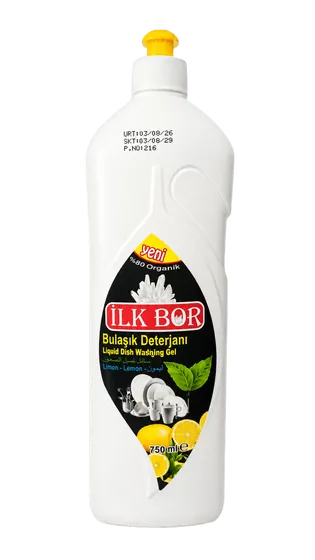
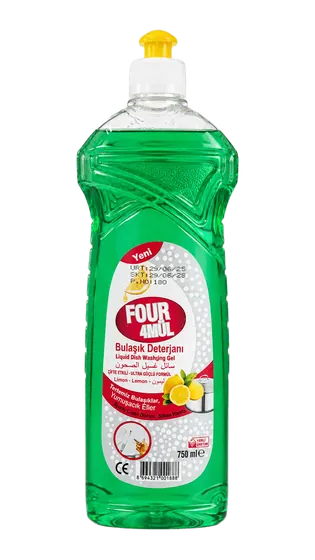
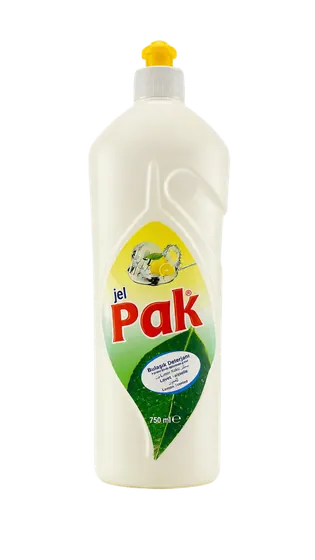
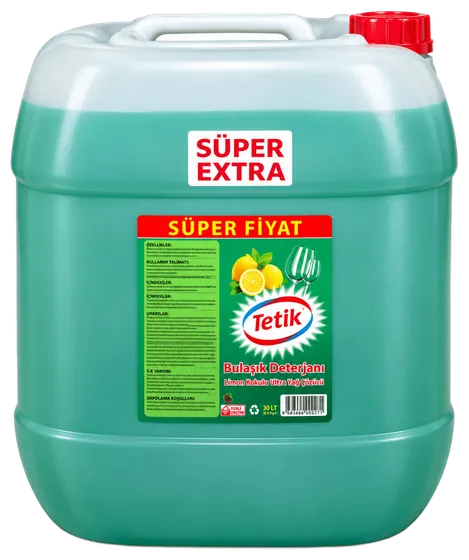
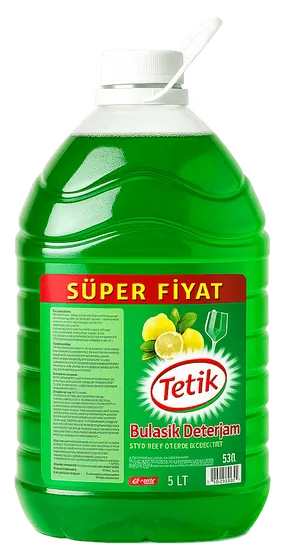
- Dish detergent: anionic and amphoteric together, for rich, lasting foam and grease cutting (how is dish detergent made).
- Liquid hand soap: skin-friendly anionic and amphoteric types plus moisturising ingredients.
- Floor-scrubber product: low-foaming types are chosen; the foam of a normal surface cleaner fills the machine's vacuum tank (how is surface cleaner made).
- Fabric softener: cationic softening ingredients that cling to fabric.
- Industrial dishwasher detergent: foam is unwanted in the machine; the cleaning is done mainly by alkaline ingredients.
Environment and safety
In the European Union, Detergents Regulation (EC) No 648/2004 requires surfactants used in detergents to be ultimately biodegradable. On the user side, the "causes serious eye irritation" (H319) statement seen in the safety data sheets of dish detergent and surface cleaner comes largely from the surfactants; if product gets into the eyes, rinse with plenty of water for several minutes, remove contact lenses if present, and get medical help if irritation continues. The list of sheets for our products is on the safety data sheets page.