Guide · Cleaning for businesses ·
How to Clean the Inside of a Bus
City buses, intercity coaches and staff and school shuttles carry hundreds of passengers a day; stains on the seats, mud and sand on the floor and fingerprints on the handrails build up quickly. Organising interior cleaning into a plan that is quick between trips, thorough at the end of the day and in-depth once a week increases passenger satisfaction and extends the life of the interior. This guide explains the order and the products for cleaning the inside of buses and shuttle vehicles. For washing the outside, see the guide how to wash a truck.
Basic rules for cleaning the inside of a bus
- Work while the vehicle is parked: stop the engine, apply the handbrake and air the vehicle by opening the doors and windows.
- From top to bottom, from dry to wet: first rubbish and dust, then surfaces and seats, and the floor last.
- Use colour-coded cloths: use different coloured cloths for the toilet, the driver's area and the passenger area.
- Do not carry products in the vehicle in unlabelled containers: carry cleaning products in their original packaging and secured (storing and transporting cleaning products).
- Watch out for slipping: do not let passengers on until wet floors and steps are dry.
Quick cleaning between trips
- Collect the rubbish, newspapers and bottles between the seats and in the seat pockets.
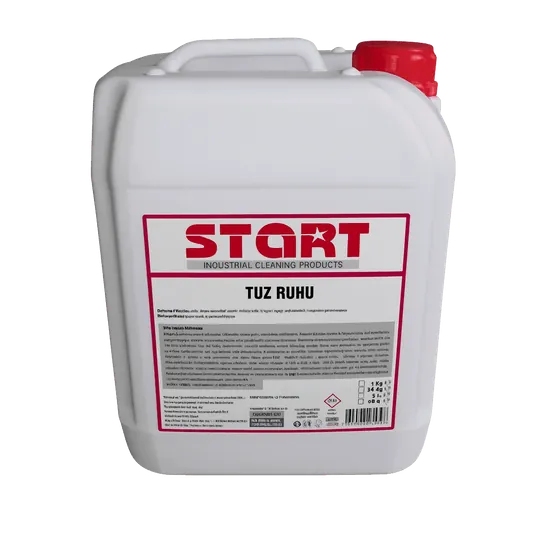
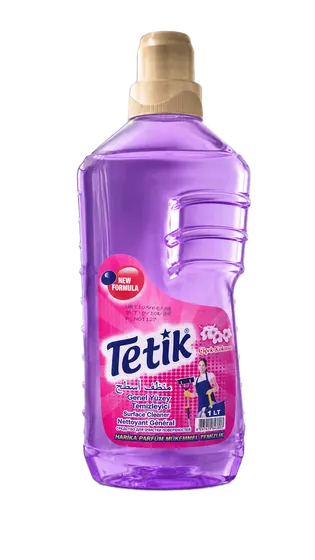
- Wipe the grab poles, ceiling handrails, handles on the seat backs and stop buttons with a cloth dampened with START all-purpose surface cleaner added to lukewarm water in the amount on the label and thoroughly wrung out. According to its safety data sheet, our START all-purpose surface cleaner has a pH of 7–8.
- Wipe up spilled drinks and food straight away with kitchen paper; do not leave seat stains to set.
- Sweep up sand and mud on the floor and dry any wet patches.
End-of-day cleaning
- Vacuum the seats, under the seats, the luggage racks and the floor.
- Wipe the window ledges, side panels, plastic surfaces on the seat backs and folding tables with diluted START all-purpose surface cleaner.
- Clean the stains on the seats as described below.
- Mop the floor and steps last; clean the anti-slip coverings on the steps and at the door entrance with a stiff brush.
- Air the vehicle with the doors open and close them once the floor is dry.
How to clean bus seats
- Fabric seats: vacuum first; clean stains with TETİK Kar Aspirin, whose label covers car interior seats and upholstery, by applying it to a cloth, testing first on a hidden area and pressing; remove with a clean damp cloth and do not over-wet the seat.
- Faux-leather and vinyl seats: wipe with diluted START all-purpose surface cleaner using a thoroughly wrung-out cloth and dry.
- Leather seats: follow the leather care method recommended by the manufacturer.
- Chewing gum and sticky residue: for gum stuck to a seat, see the guide how to remove chewing gum.
- Headrest covers: wash removable covers according to their labels and refit them only once completely dry.
- For details, see the guide how to clean car seats.
Floor and steps
Bus floors are mostly covered with rubber or PVC. Sweep the floor first, then mop it with a thoroughly wrung-out mop using a bucket of lukewarm water with START all-purpose surface cleaner in the amount on the label; do not let water collect at the edges of the covering or where there are electrical connections. In winter, remove mud and salt marks on the steps and at the entrance with a stiff brush and rinse. Do not use oily, waxy or shine-boosting products on anti-slip coverings. For floor coverings, you can see the guides how to clean rubber flooring and how to clean PVC flooring.
Windows, curtains and the driver's area
- For the inside windows, see the guide how to clean car windows; apply the product to the cloth and do not let it drip onto the panels.
- Wash curtains and sun blinds according to their labels (how to wash curtains).
- The dashboard, instruments and screens in the driver's area are wiped only with a dry microfibre cloth or one lightly dampened with water (how to clean a car dashboard).
- Do not spray product onto the steering wheel, gear lever or control buttons.
- Wipe the seat belts on the surface and let them retract only once completely dry (how to clean a seat belt).
Buses with toilets
- Apply START bathroom and toilet cleaner inside the toilet as on the label and brush.
- Wipe the washbasin, mirror, toilet seat and wall panels with diluted START all-purpose surface cleaner.
- Refill the soap dispenser with TETİK liquid hand soap; top up paper towels and toilet paper.
- Emptying and maintaining the waste tank are done according to the vehicle's and the operator's procedure; cleaning product is put in the tank only as permitted by the manufacturer.
Vomit and body fluids
In cases such as vomiting during the journey, wear protective gloves, collect the solid part with kitchen paper and clean the stained area as described in the guide how to remove vomit stains. When cleaning up body fluids and during outbreaks of infectious disease, follow your company's hygiene procedure and the recommendations of the competent health authorities.
Cleaning shuttle vehicles and minibuses
Staff and school shuttles, minibuses and VIP vehicles are cleaned in the same order but in less time: collect the rubbish, vacuum the seats and floor, wipe the handles and door handles with diluted START all-purpose surface cleaner, clean seat stains with TETİK Kar Aspirin and mop the floor last. Do not leave cleaning products in school shuttles; do not keep products where children can reach them. For the whole vehicle, see the guide how to clean a car interior.
Daily and weekly cleaning plan
- After each trip: rubbish, spills, handrails and sand on the floor.
- At the end of each day: vacuuming, surfaces, seat stains, floor and steps, toilet.
- Once a week: all seats, windows, luggage racks, curtains and seat covers, and deep cleaning of the floor.
- Record the cleaning done, the date and the person responsible on the checklist for each vehicle.
For bus and shuttle operators
City public transport operators, tour companies and staff and school shuttle operators should plan interior cleaning around the depot and platform schedule. The basic products are surface cleaner, car interior stain remover, bathroom and toilet cleaner, liquid hand soap and car shampoo for exterior washing. START all-purpose surface cleaner is produced in 5 L; TETİK Kar Aspirin in 750 g, 5 kg and 30 kg; START bathroom and toilet cleaner in 1 kg, 5 kg, 20 kg and 30 kg; and TETİK liquid hand soap in 500 g, 5 kg, 20 kg and 30 kg packs. For exterior washing and a product list you can see the guide Car wash supplies and chemicals, and for bulk purchases you can request a quote.