Guide · Car wash and vehicle care ·
How to Wash a Car in Winter
In winter, the salt spread on roads mixes with mud and snow and sticks to the car's paint, underbody and wheels. This dirt should not be left for long; however, a wash done wrongly in cold weather can freeze door seals, locks and windows. This guide explains how and when to wash your car in winter, how to remove salt and how to prevent freezing.
Can you wash a car in cold weather?
Yes, but with careful timing. Wash the car on a day when the temperature is above freezing and there is little wind, during the mildest hours of the day. If it is very cold or frost is expected overnight, have the car washed at an indoor car wash. Use lukewarm rather than hot water; pouring hot water on icy or very cold glass can crack it. For the basic washing steps: how to use car shampoo.
How to wash a car in winter: step by step
- Rinse off salt and mud with plenty of water: first rinse the car from top to bottom with plenty of water; if salt and sand are wiped while dry, they scratch the paint.
- Wash the underbody and wheel arches: wash the wheel arches and sills, where salt builds up most, with a hose or pressure washer.
- Apply foam: if you have foam equipment, apply car foam, leave it for a short time and rinse.
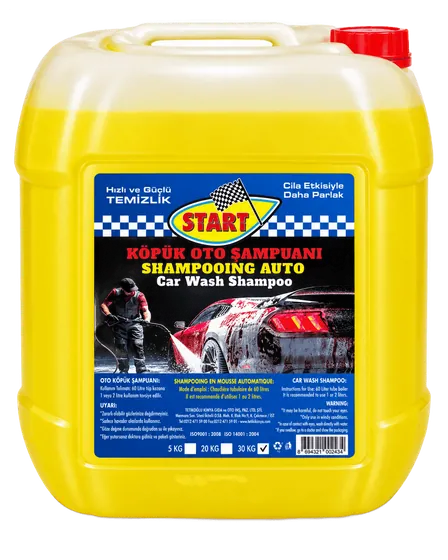
- Wash with two buckets: wash from top to bottom with START Car Shampoo using the two-bucket method.
- Rinse thoroughly: leave no shampoo or salt residue.
- Dry straight away: dry the car with a microfibre towel; also wipe the door, boot and bonnet gaps, mirrors and locks separately.
Underbody and wheel arches
Road salt builds up most on the underbody, sills and inside the wheel arches; being out of sight, it is also noticed last. When washing by hand, aim the hose into the wheel arches and under the sills. Car washes use underbody wash systems or pressure washers. Do not hold pressurised water too close to electrical connections, sensors or tyre sidewalls.
Door seals and locks
- After washing, wipe the door and boot seals with a dry cloth; seals left wet can freeze overnight.
- If water has got into the door handles and locks, dry them and leave the car to dry somewhere covered or sunny.
- Do not force a frozen door; the seal can tear.
Windows, wipers and washer fluid
- Do not pour hot water on icy glass; remove the ice with a plastic scraper.
- Do not switch on wipers that are frozen to the glass; the wiper rubber can be damaged.
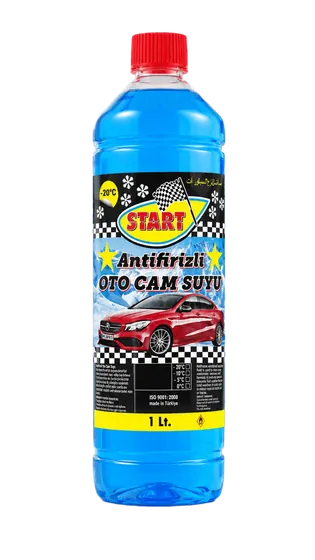
- Before winter, fill the washer reservoir with antifreeze windscreen washer fluid; summer washer fluid and plain water freeze. Details: how to use antifreeze washer fluid.
The car interior and mats in winter
- Snow and salty water collect most on the mats; wash rubber mats with START Car Shampoo and dry them (how to clean car mats).
- Remove salt stains on fabric mats and seats by applying TETİK Kar Aspirin to a cloth and blotting; the Kar Aspirin label lists mats and seat fabric inside the car (how to clean car seats).
- Moisture inside the car fogs the windows; do not put wet mats back without drying them (how to clean a car interior).
What not to do in winter
- Washing outdoors when the temperature is below freezing.
- Pouring hot water on icy or very cold glass.
- Washing the car with dishwashing liquid: it can thin the protective layer on the paint (what is car shampoo).
- Wiping dry salt and sand with a sponge: it scratches the paint.
- Leaving the car undried and leaving summer washer fluid in the reservoir.
For car wash businesses
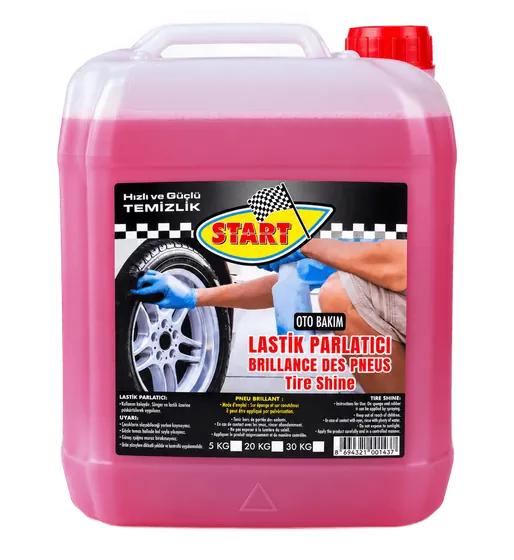
In winter, salty and muddy roads increase demand for washing. START Car Shampoo is produced in 5 kg, 20 kg and 30 kg, TETİK Car Foam — Wax in 30 kg, START Antifreeze Windscreen Washer Fluid in 1 kg and 5 kg and START Tyre Shine in 5 kg packs; tyre shine is applied only to the tyre sidewall (how to use tyre shine). For the product list, see our guide Car wash supplies and chemicals, and request a quote for bulk purchases.