Guide · Sourcing, wholesale and production ·
How Is Glass Cleaner Made?
Glass cleaner is made by mixing a small amount of surfactant, which dissolves fingerprints, grease and dust on glass, in water with fast-evaporating solvents, fragrance and colour; the aim is for the glass to dry quickly and without streaks. This article applies the steps of our guide how is detergent made to glass cleaner.
What is glass cleaner made of?
- Water: most of the product; water quality matters so that no marks are left on the glass.
- Fast-evaporating solvents: usually alcohols; they help dissolve dirt and make the glass dry quickly.
- Surfactants: dissolve fingerprints and greasy film; only a small amount is used because too much leaves streaks on glass.
- Fragrance and colour: the blue colour and fresh scent common in glass cleaners.
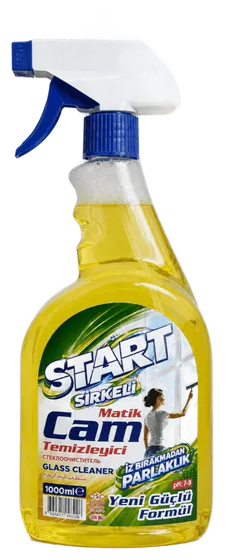
- Vinegar in vinegar products: against water and limescale marks.
- Proportions depend on the manufacturer's recipe; safety information for our products is given in the safety data sheets.
Production steps
- Weighing: the raw materials in the recipe are weighed for the batch size.
- Mixing: water is put into the tank, the other ingredients are added in order and the mixture is stirred at low speed until clear; avoiding foam is important.
- Quality control: appearance, colour, smell and pH are checked, and a streak test is done on mirrors and glass.
- Filling: the product is filled on an 8-nozzle volumetric filling machine into 500 ML and 1 LT bottles and, for professional use, into 5, 20 and 30 KG drums.
- Capping and labelling: bottles are fitted with a cap or a trigger spray head, labels are applied and the products packed into cases.
Quality control points specific to glass cleaner
- No streaks: no lines, smears or marks on wiped glass and mirrors once dry.
- Drying speed: the product must not stay wet on the glass for long.
- Spraying: the trigger head must spread the product evenly without dripping.
- Clarity: no sediment, cloudiness or colour change in the bottle.
- For the full list of criteria when choosing a manufacturer: what to look for when choosing a cleaning products manufacturer.
Why is glass cleaner blue?
The blue colour of glass cleaners comes from an added dye, not from their cleaning power. The colour makes the product easy to tell apart from other cleaning products on the shelf and gives it a fresh look; because very little dye is used, it leaves no marks on glass. Colourless glass cleaners are used for the same purpose.
Glass cleaner with and without alcohol
- Products with alcohol: dry faster and dissolve greasy fingerprints more easily; practical in cold weather and on outside windows.
- Alcohol-free products: have a milder smell; drying may take a little longer.
- Whether a product contains alcohol is stated in the ingredients section of the label and in the safety data sheet.
What makes vinegar glass cleaner different
In vinegar glass cleaner, the vinegar helps dissolve water and limescale marks on glass; it is preferred on surfaces in contact with hard water, such as bathroom mirrors and shower screens. Because vinegar is mildly acidic, do not splash it on acid-sensitive surfaces such as marble and natural stone. For use, see our guide how to use glass cleaner.
Can you make glass cleaner at home?
Home-made mixtures are not quality-controlled, so they can leave streaks and their scent does not last. More importantly, mixing cleaning products can release dangerous gases; for example, products containing ammonia must not be mixed with bleach (can cleaning products be mixed). Use a labelled ready-made product.
Sourcing from the manufacturer
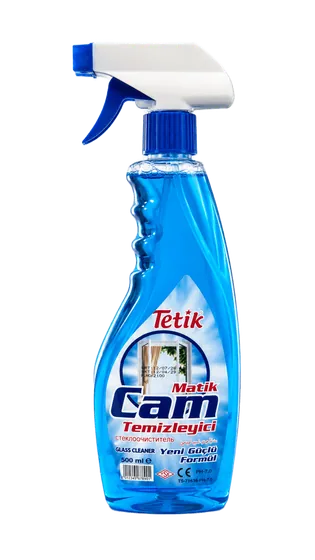
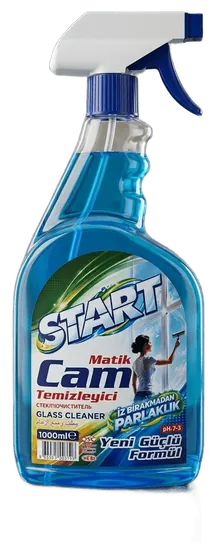
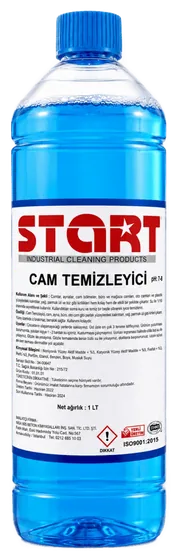
As a glass cleaner manufacturer, Tetikoğlu Kimya produces glass cleaners under the TETİK and START brands. See wholesale cleaning products for bulk purchasing and production for our facilities.
START Cam Temizleme Sıvısı is TSE-certified to standard TS 11636 (documents and certificates).