Guide · Laundry and clothes washing ·
How to Remove Collar Stains
Collar grime is a greasy, stubborn dirt formed as sweat, skin oil, cosmetics and dust build up on the inside of the collar during the day. Because it is greasy, it often does not come out completely in a normal wash and gets a little darker with every wash; this is why collar grime needs pre-treatment before washing. This guide explains how to remove grime from shirt, coat and jacket collars and how to clean cuffs.
Why does collar grime form?
The inside of the collar is in constant contact with the skin of the neck; sweat and skin oil transfer to the fabric, and dust, perfume and makeup residue are added on top. This mixture works into the fibres and over time forms a grey or yellowish line. Leaving a dirty shirt for a long time and washing the stain without pre-treatment makes the grime darker.
How to remove shirt collar stains?
- Open out the collar and lay it flat with the dirty inside facing up.
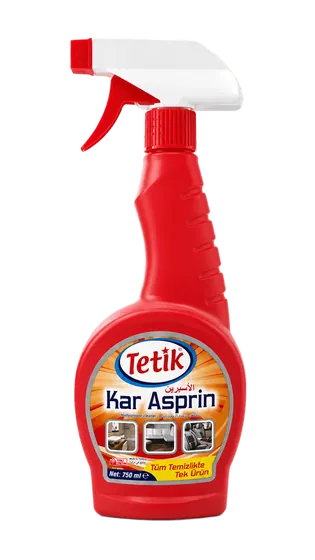
- Spray TETİK Kar Aspirin, whose label lists collar and cuff use, directly onto the collar grime; test the product on a hidden spot such as an inside seam first.
- Rub the fabric gently with your fingers or a soft brush; do not use a hard brush.
- Wash the shirt on the programme on the fabric care label with detergent for coloureds or detergent for whites.
- Check the collar before drying; if grime remains, repeat the pre-treatment.
- As a stain remover, İLK BOR Leke Sihirbazı can also be used as described on its label (how to use stain remover).
How to remove collar stains from a white shirt?
On a white shirt, first carry out the pre-treatment above and wash the shirt with detergent for whites. For yellowed and old collar grime, bleach may be used only if the fabric care label allows it, only on white cotton and linen shirts, and at the amount on the product label (how to use bleach). Do not use bleach on white shirts blended with polyester or elastane. For general yellowing, see how to whiten yellowed clothes.
Collar grime on coloured shirts
On a coloured shirt, test the pre-treatment product on a hidden spot first and make sure the colour does not change. Clean the collar by working gently without scrubbing, and wash the shirt with detergent for coloureds without exceeding the temperature on the care label. Do not use bleach on coloured and dark shirts. For washing and ironing shirts, see how to wash shirts.
How to remove collar stains from a coat?
On machine-washable coats, the collar gets the same pre-treatment before washing and the coat is washed on the programme on its label (how to wash a winter jacket). On coats that cannot be machine washed, clean the collar in place: apply Kar Aspirin to a clean cloth, work on the collar grime by pressing and rubbing gently, then wipe several times with a cloth dampened with clean water to remove the product, and let the collar dry completely. Take care not to soak the coat; do not use the product on fur or faux fur collars.
Jacket collar grime
On jacket and blazer collars, the fabric, lining and interfacing are sensitive to water. On washable cotton and polyester jackets, you can clean the collar in place according to its label with product applied to a cloth as above (how to wash a jacket). Do not use stain remover or water on wool, wool coating, leather and suede jackets; take these collars to a dry cleaner.
Cuffs and sleeve ends
- Grime on cuffs and sleeve ends is greasy like collar grime; apply the same pre-treatment before washing.
- Undo the buttons, lay the cuff flat and spray the product onto the dirty area.
- On jumper, sweatshirt and coat sleeve ends, test the product on a hidden spot first.
- For yellow sweat marks under the arms and on the collar: how to remove sweat stains.
- For perfume stains on the collar: how to remove perfume stains.
Old and darkened collar grime
On shirts that have been washed for a long time without pre-treatment, collar grime works into the fabric and leaves a dark line. Repeat the pre-treatment before every wash on these collars; the stain may lighten over several washes. As heat can set the grime, do not tumble dry or iron the shirt until the collar is clean. On very old grime that has worked into the fibres, a faint mark may remain.
What not to do with collar grime
- Scrubbing the collar with a hard brush or wire brush: the fabric pills and the collar wears.
- Leaving the pre-treatment product to dry on the collar.
- Exceeding the temperature on the fabric care label.
- Using bleach on coloured and synthetic fabrics.
- Ironing the shirt or putting it in the tumble dryer before the grime has come out.
- Mixing stain remover with bleach or other cleaning products (can cleaning products be mixed).
For hotels, restaurants and laundries
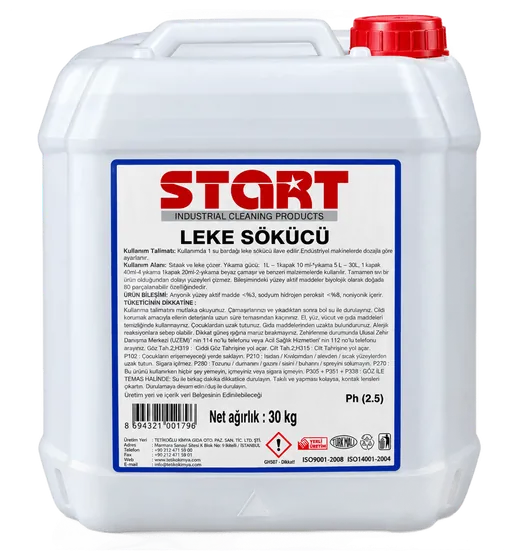
In hotel, restaurant and corporate uniforms, collar and cuff grime is the most common problem; regular pre-treatment before washing helps extend the life of shirts and uniforms. TETİK Kar Aspirin is produced in 750 g, 5 kg and 30 kg packs, and TETİK Liquid Stain Remover and START Stain Remover in 30 kg packs. For a product list, see laundry supplies and chemicals, and for workwear, how to wash work clothes; for bulk purchases, you can request a quote.