Guide · Laundry and clothes washing ·
How to Wash Shirts
A shirt is one of the garments whose collar and cuffs get dirtiest and whose fabric and cut lose their shape fastest. With the right temperature, sorting by colour and pre-treating collar dirt before washing, a shirt keeps both its colour and its shape. This guide explains how to machine wash cotton, white and linen shirts, how to remove collar dirt and how to dry and iron a shirt.
Before washing
- Read the label: check the shirt's fabric type, washing temperature and ironing symbol.
- Undo the buttons: undo all buttons, including collar and cuff buttons; washing a buttoned shirt strains the buttonholes and buttons.
- Empty the pockets: a pen or paper left in a pocket can stain the shirt and the rest of the laundry.
- Sort by colour: wash white, light-coloured and dark shirts separately.
- Pre-treat collars and cuffs: spray TETİK Kar Aspirin on collar and cuff dirt, rub gently, then machine wash (what Kar Aspirin is used for).
- For old and darkened collar grime: how to remove collar stains.
How to machine wash a shirt?
- Choose the temperature by the label: do not go above the temperature the label allows; high heat can shrink cotton and linen shirts.
- Shirt or delicate programme: short, low-spin programmes reduce creasing.
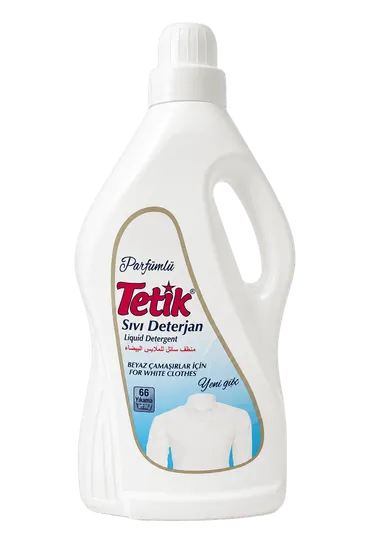
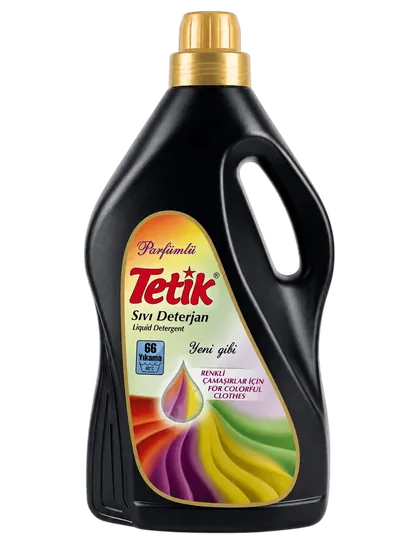
- Choose the right detergent: use detergent for whites on white shirts and detergent for coloureds on coloured ones; put in the amount on the label.
- Don't overload: in a full machine, shirts tangle and crease more.
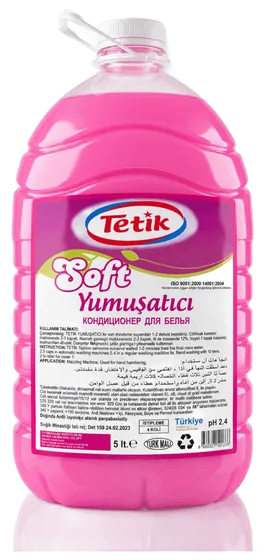
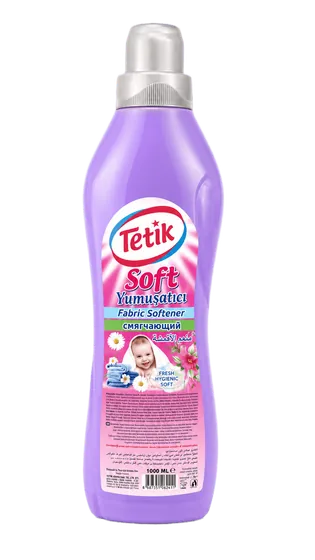
- Measure the softener: if the label allows, put softener in its compartment at the amount on the label (how to use fabric softener).
- For linen trousers and dresses: how to wash linen.
- For chiffon, satin and white dresses: how to wash a dress.
- For satin, chiffon and embellished blouses: how to wash a blouse.
- For suit jackets and trousers: how to wash a suit.
- For ties and bow ties: how to wash a tie.
Washing shirts by fabric: cotton, polyester blend, oxford and flannel
- Pure cotton shirt: Washed at the temperature the label allows, on the shirt or delicates programme; because it may shrink a little in the first washes, stay below the upper limit on the label. Hung on a hanger while damp and ironed slightly damp.
- Cotton-polyester blend: These low-crease, fast-drying shirts are washed at low temperature; high heat stiffens the polyester and leaves permanent creases. No bleach, and a low setting in the tumble dryer.
- Oxford and poplin: Densely woven cotton fabrics; the cotton rules apply. Because oxford is thick, pre-treating the collar and cuffs matters more, while poplin smooths out when ironed slightly damp.
- Flannel and corduroy shirts: Washed inside out at low temperature and low spin; not washed with towels that shed lint. Softener is used sparingly if the label allows it; a hard brush and high heat flatten the pile.
- Linen and linen blends: Low temperature, delicates programme and low spin; the details are in the linen section below.
- Printed and embroidered shirts: Washed inside out at low temperature; the print is not ironed directly. For jerseys see the how to wash a jersey guide.
How to wash a white shirt: by machine and by hand
Wash white shirts only with white laundry; dye from coloured laundry turns a white shirt grey. For yellowing on collars and underarms, see how to remove sweat stains and how to whiten yellowed clothes. Bleach can be used only on white cotton and linen shirts whose label allows it, at the amount on the label; on polyester-blend shirts it causes yellowing (How to use bleach).
How to wash linen shirts?
Linen can shrink in hot water and creases easily. Wash a linen shirt at the label temperature on a delicate programme with a low spin speed; do not use high heat in the tumble dryer. Creases come out more easily when a linen shirt is ironed while slightly damp. Washing dark linen shirts inside out reduces fading.
How to iron and store a linen shirt: shrinkage and creasing
- Creasing is the nature of linen: Linen creases easily once dry; this is not a flaw. Shaking the shirt out after washing and hanging it on a hanger with the shoulders straightened halves the ironing.
- Iron while damp: Linen is ironed before it is fully dry, while slightly damp; if it has dried, dampen it with a spray bottle. The iron temperature follows the linen symbol on the label, and dark linen is ironed inside out.
- Prevent shrinkage: Linen shrinks in hot water and at high heat in the tumble dryer; do not exceed the temperature on the label and dry the shirt on a hanger, not in the machine. A slightly shrunk shirt largely recovers when stretched by hand and ironed while damp.
- Buttons and seams: Linen seams can open with frequent washing; wash with the buttons undone and choose a low spin. When ironing, go around the buttonholes with the tip of the iron.
- Storage: A linen shirt is stored on a hanger in the wardrobe without being squeezed; if it is folded for a suitcase, it is rolled so that creases do not set. If it will not be worn for a long time, it is put away clean and completely dry.
- Linen trousers, dresses and cloths: The general rules for the fabric are in the how to wash linen guide.
Silk and satin shirts
Follow the label instructions on silk and satin shirts; most of these fabrics require hand washing or dry cleaning. If the label says dry clean, take the shirt to a dry cleaner. If the label allows hand washing, wash the shirt in cold water without rubbing or wringing (how to hand wash clothes).
How to dry and iron a shirt?
- Take the shirt out of the machine as soon as the programme ends, shake it out and hang it on a hanger; a shirt left in the machine creases.
- Dry the shirt in the shade; coloured shirts can fade in direct sunlight.
- Use a tumble dryer only on low heat and only if the label allows.
- Choose the iron temperature by the ironing symbol on the label; iron the collar, cuffs and sleeves first, then the body.
- For soleplate care: how to clean an iron soleplate.
What not to do
- Washing a white shirt with coloured laundry.
- Washing a shirt with its buttons done up.
- Using bleach on a polyester-blend shirt.
- Leaving a washed shirt in the machine for a long time.
For hotels, restaurants and corporate uniforms
In hotels, restaurants and offices, staff shirts are washed often; regular pre-treatment of collars and cuffs and correct sorting extend a shirt's life. TETİK detergents for whites and coloureds are sold in 4 kg, powder machine detergents in 20 kg and TETİK Kar Aspirin in 750 g, 5 kg and 30 kg packs. For workwear, see how to wash work clothes; for the product list, Laundry supplies and chemicals; request a quote for bulk purchases.