Guide · Household items and appliances ·
How to Clean a Vase
Flower water left standing in a vase leaves a greenish film on the inside, a white ring at the waterline and plant debris at the bottom; in narrow-necked vases this residue is hard to reach by hand. How a vase should be cleaned depends on its material: glass and glazed ceramic are washed with dishwashing liquid, crystal is washed only by hand in lukewarm water, and brass and metal vases are wiped with a cloth rather than washed. This guide explains how to clean glass, crystal, ceramic, brass and acrylic vases.
How to clean a vase: step by step
- Take out the flowers, empty the water and remove leaves and stems from the bottom.
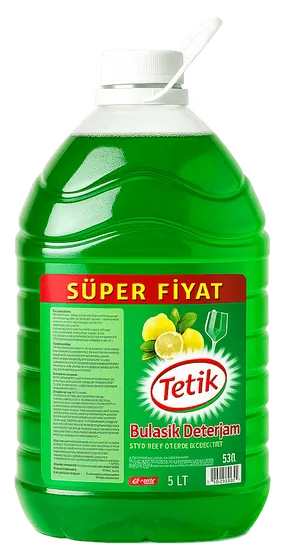
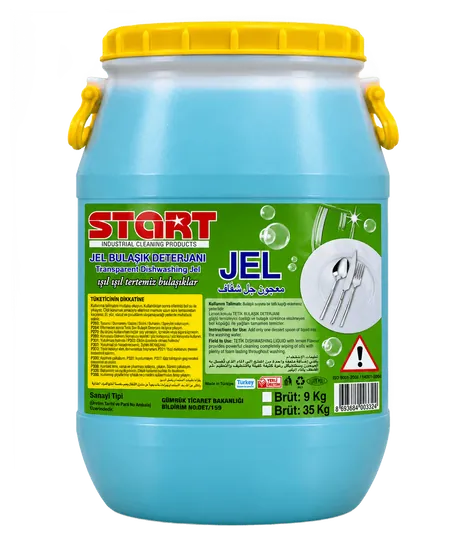
- Put lukewarm water and a little TETİK dishwashing liquid into the vase and leave it for a while.
- Brush the inside with a long-handled bottle brush, paying particular attention to the waterline and the bottom.
- Rinse the vase with plenty of water until no detergent remains.
- Leave the vase upside down to dry completely.
Narrow-necked vases
In tall, narrow-necked vases the inside cannot be reached by hand. Fill the vase with lukewarm water and a little dishwashing liquid and leave it until the residue softens, then brush it with a long, thin bottle brush suited to the height of the vase. Brushes with bendable handles make it easier to reach the shoulder of the vase. Rinse the vase by swirling plenty of water in it several times and dry it upside down. For jugs and bottles, see the guide how to clean a water jug.
How to clean a glass vase
- Wash the inside of a glass vase with lukewarm water and a little dishwashing liquid using a bottle brush.
- Wipe the outside by spraying START glass cleaner spray onto a cloth and polish with a dry cloth.
- The white ring at the waterline is caused by limescale in the water and may not always come off completely; do not use limescale removers or hydrochloric acid on a vase.
- To prevent the ring from forming, change the water often and dry the vase when it stands empty.
- Do not pour cold water onto hot glass; a sudden change in temperature can crack it.
How to clean a crystal vase
Wash a crystal vase by hand only, in lukewarm water; hot water and sudden changes in temperature can crack crystal. Lay a soft towel in the bottom of a bowl, add lukewarm water and a little dishwashing liquid, and clean the inside of the vase with a soft bottle brush and the outside with a soft cloth. Remove dust from cut patterns with a soft brush. Rinse the vase with plenty of lukewarm water and dry it straight away with a lint-free cloth. Do not wash a crystal vase in the dishwasher; dullness and scratches cannot be reversed. For crystal chandeliers, see the guide how to clean a chandelier.
Ceramic and porcelain vases
- Wash glazed ceramic and porcelain vases with lukewarm water and a little dishwashing liquid using a soft sponge.
- On unglazed (matt, porous) ceramic, water marks and colour can soak into the surface and may not always come off; if these vases will not hold water, just wipe them with a dry or slightly damp cloth.
- For terracotta, plastic and ceramic plant pots: how to clean plant pots.
- For artificial flowers and arrangements: how to clean artificial flowers.
- Do not scrub hand-painted or gilded patterns and do not put them in the dishwasher.
- For hand-painted çini vases and plates: how to clean hand-painted tiles.
- For crystal glasses and stemware: how to clean crystal glasses.
- Do not put water in a cracked vase; water can seep out and damage furniture.
Brass, metal and acrylic vases
- Wipe brass and copper vases with a dry or slightly damp cloth and dry them straight away; we do not recommend a product for brass and copper, so ask a craftsman about their care.
- Do not use acidic products, abrasives or solvents on brass and copper vases.
- Wipe painted and coated metal vases with a slightly damp cloth; worn coating cannot be restored by cleaning.
- Wash acrylic and plastic vases with lukewarm water and a little dishwashing liquid using a soft sponge; do not use alcohol, acetone or solvents, as the surface can turn dull.
What not to do
- Washing a crystal vase in the dishwasher or with hot water.
- Using limescale removers, hydrochloric acid or bleach in a vase.
- Pouring cold water onto hot glass.
- Using acidic products and abrasives on brass and copper vases.
- Mixing different cleaning products (can cleaning products be mixed).
For hotels, restaurants and florists
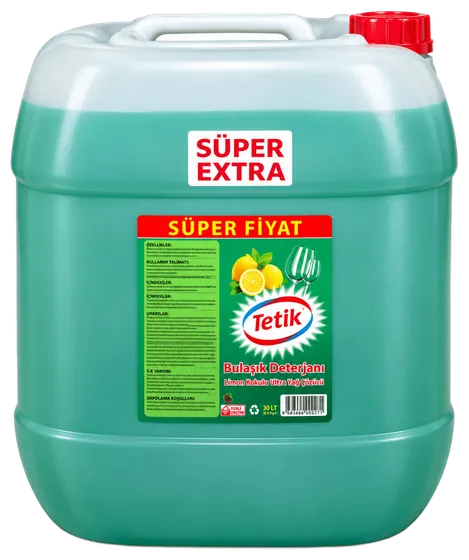
In hotel lobbies, on restaurant tables and in florists' shops, vases are used every day; changing the water regularly, washing an emptied vase straight away and drying it upside down, and wiping the outside of glass vases at the end of the day help vases look clean. Where many vases are washed, keep long-handled brushes for narrow-necked vases. TETİK dishwashing liquid is produced in 750 g, 5 kg, 20 kg and 30 kg packs and START glass cleaner spray in 1 L packs; for a list of products see the guide hotel cleaning supplies list, and for bulk purchases you can request a quote.