Guide · Household items and appliances ·
How to Clean Plant Pots
Plant pots are in constant contact with soil, watering water and sun; soil stains and a white crust build up on the outside, dry soil and root debris on the inside and water marks on the saucers. How a pot is cleaned depends on its material: plastic and glazed ceramic pots are easily cleaned with a neutral cleaner, while unglazed terracotta pots are porous and are cleaned mostly with water and a brush. This guide explains how to clean plant pots, terracotta pots and plastic pots. For glass, crystal and ceramic vases, see the guide how to clean a vase.
Before you start
- Empty the pot: move the plant to another container and empty out the old soil and root debris.
- Wear gloves: use gloves when working with soil and cleaning products.
- Know the material: determine whether the pot is plastic, glazed ceramic, unglazed terracotta or metal; the method depends on the material.
- Work outdoors: clean the pot on the balcony, in the garden or in a basin; keep soil from going down the drain.
How to clean plant pots: step by step
- Remove dry soil and root debris from the inside and outside of the pot with a dry brush.
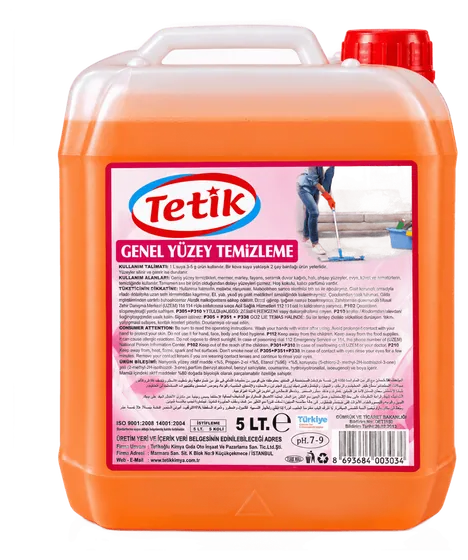
- Fill a basin with lukewarm water and add START all-purpose surface cleaner at the label dose. According to its safety data sheet, START Genel Yüzey Temizleyici has a pH of 7–8.
- Scrub the inside and outside of the pot with a soft brush or sponge; pay attention to the area around the drainage hole.
- Rinse the pot with plenty of water until no cleaner remains.
- Let the pot dry completely before reusing it.
How to clean terracotta pots?
Unglazed terracotta (fired clay) pots are porous and absorb water and cleaning products. So clean a terracotta pot first with water and a soft brush only; if the dirt does not come off, add a small amount of surface cleaner to lukewarm water at the label dose. If you used a cleaner, leave the pot in clean water for a while and rinse it several times so that no product residue remains. Leave the terracotta pot in the shade until it is completely dry.
White crust and green marks
- White crust: the white crust that forms on the outside of a terracotta pot comes from salts and limescale in the watering water; brush it with a soft brush while the pot is dry, then wipe with a damp cloth. This crust may not always come off completely.
- Do not use limescale remover: limescale remover and hydrochloric acid are not used on terracotta pots; acid can penetrate the porous surface and wear the pot.
- Green marks: green marks on the outside of a pot that stays damp are removed with a brush and water. We have no biocidal product or claim in this respect.
- Pests and plant diseases: we have no product or recommendation for pests and plant diseases in pots; consult an agricultural specialist or a plant nursery.
How to clean plastic and ceramic pots?
- Plastic pot: it is wiped with a soft sponge using lukewarm water and surface cleaner at the label dose, then rinsed and dried; discolouration of sun-faded plastic does not go away with cleaning.
- Glazed ceramic pot: it is wiped with a soft sponge and diluted surface cleaner; steel wool is not used so as not to scratch the glaze.
- Saucer: water marks and soil on the saucer are cleaned the same way; marks lessen if water is not left standing in the saucer.
- Fibreglass and decorative pots: follow the manufacturer's care recommendation; do not use abrasives or solvents.
Metal and brass pots
We have no product for brass, copper and painted metal pots. Wipe the outside of these pots with a dry or slightly damp soft cloth and dry them straight away; for tarnished or rusted metal, follow the manufacturer's advice or consult a craftsman. Using an inner pot instead of planting directly in the metal pot reduces the metal's contact with soil and water.
What not to do
- Using limescale remover and hydrochloric acid on terracotta pots.
- Using solvents such as acetone and thinner on plastic pots.
- Using steel wool and abrasive powder on glazed ceramic pots.
- Refilling the pot with soil without rinsing off the cleaner.
- Mixing different cleaning products together.
For hotels, shopping centres and landscaping companies
In hotel lobbies, shopping centres, offices and restaurants, ornamental plant pots shape the look of shared areas; wiping the outside of pots regularly, not leaving water standing in saucers and emptying and cleaning the pot when plants are changed keeps the routine orderly. For terraces and balconies, see how to clean a terrace and how to clean a balcony. START all-purpose surface cleaner is produced in 5 L packs; for bulk purchases you can request a quote.