Guide · Stain removal ·
How to Remove Molasses Stains
Pekmez, a thick grape or fruit molasses, is a breakfast-table staple; because of its dark colour and sticky texture it leaves a noticeable stain when it drips onto clothes, tablecloths, carpets and sofas. Most of pekmez is sugar, and sugar dissolves in water; so the sugary part of the stain is first dissolved and removed with water, and then the dark colour mark from the fruit is cleaned. When mixed with tahini, oil is added to the stain. This guide explains how to remove molasses and tahini-molasses stains from clothes, carpets, sofas and surfaces.
First steps
- Remove the excess: lift the molasses off with a spoon or a blunt knife; rubbing spreads the stain.
- Dissolve with lukewarm water: rinse the stain from the back with lukewarm water; lukewarm water dissolves the sugar in the molasses.
- Avoid heat: do not use hot water, a tumble dryer or an iron until the stain is gone; heat can set the colour mark in the fabric.
- Do not wait: molasses hardens as it dries and sticks more to the fabric.
How to remove molasses stains from clothes
- Remove the excess molasses and rinse the stain from the back with lukewarm water until the stickiness is gone.
- Apply a stain remover such as İLK BOR Leke Sihirbazı to the remaining colour mark and leave it for the time on the label; do not let it dry.
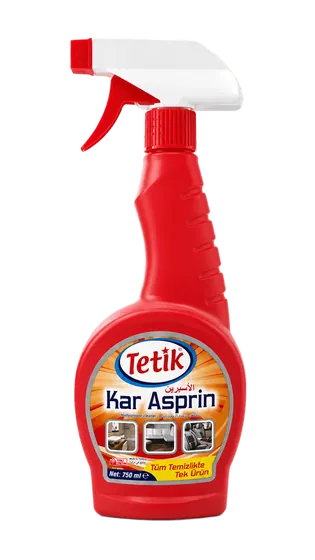
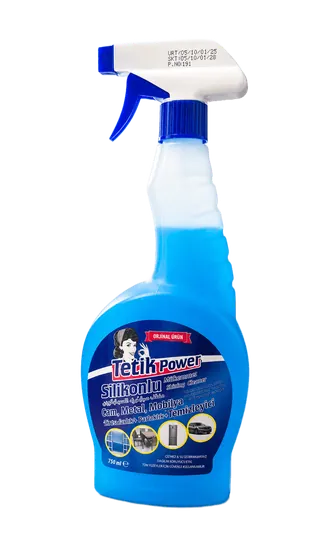
- On garments, TETİK Kar Aspirin, whose label lists use on clothing, can also be sprayed onto the stain and rubbed gently; test on a hidden spot first.
- Wash the garment on the programme on the fabric label with detergent for coloureds or detergent for whites.
- Check the stain before drying; if a mark remains, repeat the pre-treatment.
- For grape, mulberry and fruit juice stains: how to remove fruit stains.
- For pomegranate and pomegranate molasses splashes: how to remove pomegranate stains.
- For honey and honey syrup stains: how to remove honey stains.
How to remove dried molasses stains
Dried molasses hardens and sticks to the fabric. Leave the stained area in lukewarm water for a while to soften the molasses, gently lift the softened part with a blunt edge and rinse the stain with lukewarm water. Then pre-treat with stain remover and wash the laundry again; repeat several times if necessary. Stains that have been washed and dried once may leave a light mark.
How to remove tahini and molasses stains
A tahini and molasses stain contains both sugar and oil. Remove the excess, rinse the sugary part from the back with lukewarm water, then pre-treat the greasy mark with stain remover, leave it for the time on the label and wash the laundry on the programme on the fabric label. For the greasy mark of tahini, the steps in the guide how to remove grease stains can be followed. The greasy mark must be completely gone before drying; a grease stain that has been dried darkens.
Molasses stains on white garments
On white cottons, first pre-treat with stain remover and wash with detergent for whites. For any remaining mark, bleach can be used only on white cotton and linen, if the fabric label allows bleaching and in the amount on the product label (How to use bleach); do not use it on whites blended with polyester or elastane.
How to get molasses out of carpet
- Lift the excess molasses with a spoon; do not rub the carpet pile.
- Dissolve the stain by pressing with a clean cloth dampened with lukewarm water and blot it with a dry cloth; repeat until the stickiness is gone.
- On the remaining colour mark, apply a small amount of a carpet-safe stain remover such as TETİK Binbir Stain Remover and blot it off with a clean cloth; test on a hidden corner first.
- Finally, wipe with a clean damp cloth; if sugar and product residue remains in the carpet, the stickiness attracts dirt again.
- Do not overwet the carpet and leave it to dry thoroughly (how to use carpet shampoo).
Molasses stains on sofas
Remove the molasses from a fabric sofa and dissolve the stain by pressing with a cloth dampened with lukewarm water. On the remaining mark, apply TETİK Kar Aspirin to a clean cloth, press it onto the mark and wipe with a clean damp cloth; the Kar Aspirin label lists use on sofas and upholstery. Test on a hidden area first; on leather, velvet and delicate upholstery, follow the manufacturer's recommendation (how to clean a sofa).
Tables, worktops and tablecloths
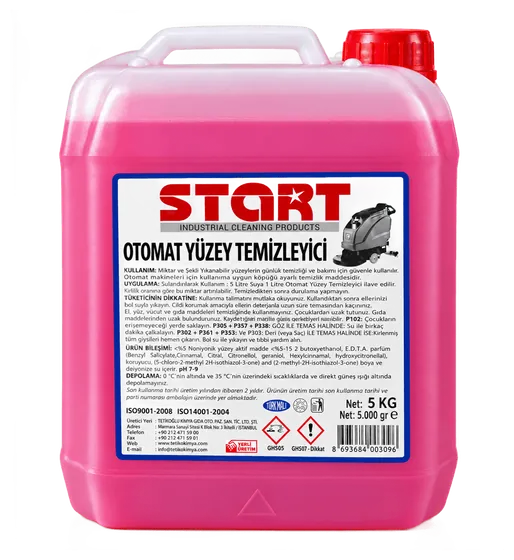
Remove sticky molasses from tables and worktops by dissolving it with a cloth dampened with lukewarm water; then add START all-purpose surface cleaner to lukewarm water in the amount on the label, wipe with a well-wrung cloth and dry. According to its safety data sheet, our START all-purpose surface cleaner has a pH of 7–8. Do not use acidic products or abrasives on marble and natural stone worktops. Pre-treat tablecloths with molasses drips without delay (how to wash a tablecloth).
What not to do
- Rubbing the stain: molasses spreads into the fabric.
- Using hot water, the tumble dryer or the iron before the stain is out.
- Scraping dried molasses with a hard brush or a knife and forcing the fabric.
- Using bleach on coloured and synthetic fabrics.
- Mixing stain remover with bleach or other cleaning products (can cleaning products be mixed).
For hotels and breakfast rooms
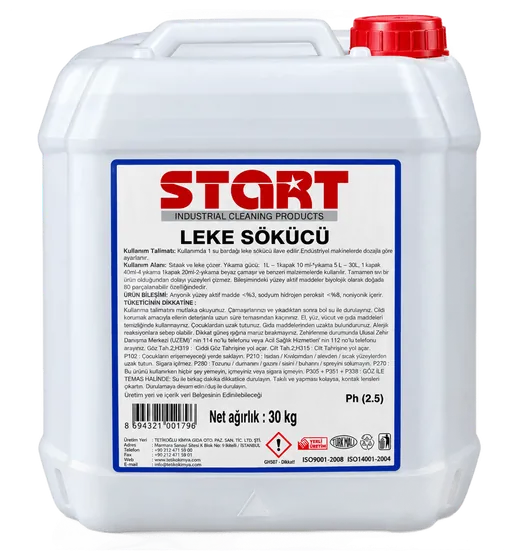
In hotel restaurants, breakfast rooms and cafés, molasses, jam and honey stains are common on tablecloths, napkins and staff clothing; separating stained textiles without delay and pre-treating them makes washing easier. TETİK Liquid Stain Remover and START Stain Remover are produced in 30 kg packs, and TETİK Kar Aspirin in 750 g, 5 kg and 30 kg. For product lists, see the guides Hotel cleaning supplies list and restaurant cleaning supplies, and for bulk purchases you can request a quote.