Guide · Stain removal ·
How to Remove Walnut Stains
A walnut stain is a brown stain that gets onto fabric, hands and countertops when green walnut husks are peeled or walnuts are cracked, and it darkens as it is exposed to air. The colouring matter in the walnut husk clings quickly to fabric fibres, so the sooner you act on the stain, the better the result. Old, dried walnut stains may not come out of every fabric completely. This guide explains how to remove walnut stains from clothes, carpets, hands and countertops. For other fruit stains, see the guide how to remove fruit stains.
Before you start
- Act straight away: walnut stains darken as they dry and settle into the fabric.
- Read the labels: check the garment's care label and the label of the stain remover you will use.
- Don't rub hard: rubbing hard spreads the colouring matter into the fabric; blot it instead.
- Don't dry it: do not put the garment in the tumble dryer or iron it until the stain has come out.
How to remove walnut stains from clothes: step by step
- Remove pieces of husk and pulp from the stain and blot the stain dry with a clean paper towel.
- Rinse the stain from the back of the fabric with cold water.
- Apply a stain remover such as İLK BOR Leke Sihirbazı to the stain according to its label and leave it for the time stated on the label; test it on a hidden area first.
- On clothing stains, TETİK Kar Aspirin can also be used: spray it onto the stain, rub gently, then machine wash the garment (what Kar Aspirin is used for).
- Wash the garment at the temperature on its label with a laundry detergent suited to its colour.
- Check the stain before drying; if it is still there, repeat the pre-treatment.
How to remove green walnut stains
Green walnut husks and walnut juice leave the darkest and most stubborn stains, which soon turn brown on fabric. Rinse a fresh stain with cold water straight away, pre-treat it with the steps above and wash the garment. On white cotton and linen garments, bleach can be used only if the label allows, at the label dose and without mixing it with any other cleaning product (how to use bleach); it is not used on coloured or delicate fabrics. Wearing gloves and an old apron when peeling green walnuts prevents the stain in the first place.
Walnut stains on carpets and sofas
- On carpets, blot the stain with a dry cloth, then apply a little of a carpet-safe stain remover such as TETİK Binbir Stain Remover and blot it up with a clean cloth.
- On fabric sofas, apply TETİK Kar Aspirin to a clean cloth and blot the stain; Kar Aspirin's label includes use on sofas and upholstery.
- On leather sofas and wool carpets, follow the manufacturer's care advice.
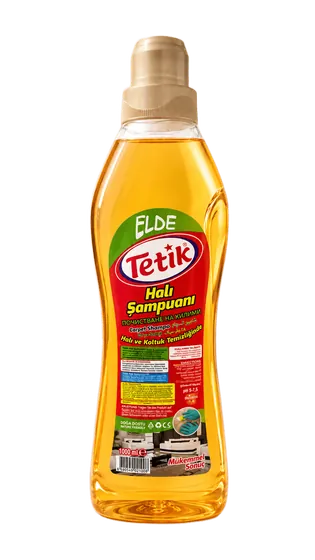
- For details: how to use carpet shampoo, how to clean a sofa.
How to remove walnut stains from hands
Walnut stains on hands sink into the top layer of the skin and do not wash off straight away; they fade over time as the skin renews itself. Wash your hands with lukewarm water and TETİK liquid hand soap and rinse well. Do not use bleach, stain remover, surface cleaner or any other cleaning product on skin. Wearing gloves when peeling and cracking walnuts is the most effective precaution; if your skin becomes irritated, consult a doctor.
Countertops and chopping boards
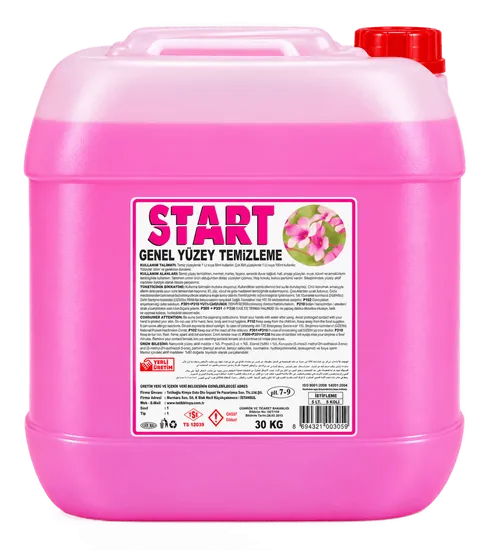
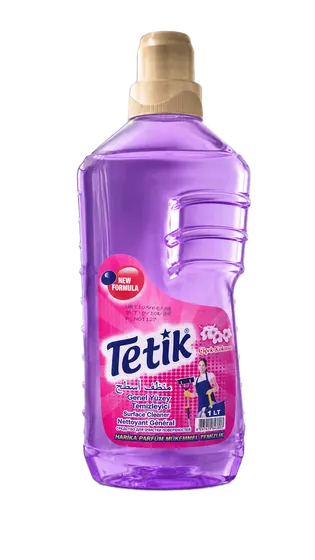
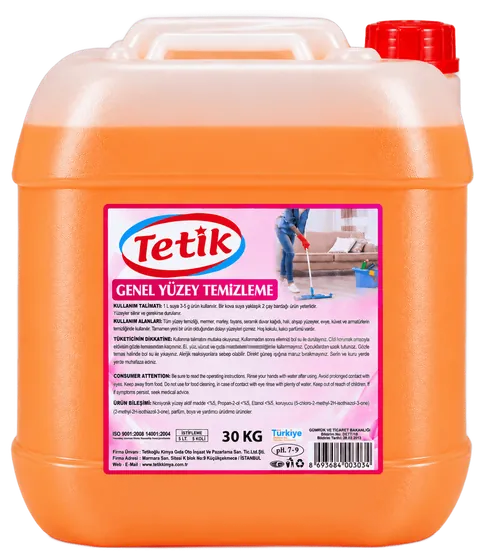
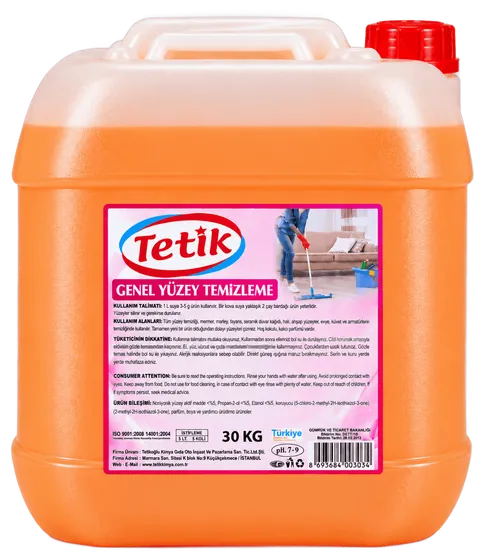
- Wipe walnut juice off the countertop straight away with a well-wrung cloth dampened in lukewarm water with START all-purpose surface cleaner added at the label dose. According to its safety data sheet, START Genel Yüzey Temizleyici has a pH of 7–8.
- Do not leave the stain on marble and natural stone; for stone surfaces, see the guide how to clean marble.
- Wash a wooden chopping board in lukewarm water with dishwashing liquid, rinse and let it dry (how to clean a chopping board).
What not to do
- Rubbing the stain hard or rinsing it with hot water.
- Drying or ironing the garment before the stain has come out.
- Using bleach on coloured garments or without label permission.
- Using cleaning products on skin.
- Mixing different cleaning products together.
For nut processors, bakeries and food businesses
In nut-processing plants, bakeries and during the walnut harvest, walnut stains are common on aprons, work clothes and gloves; separating stained textiles straight away and pre-treating them stops the stain from setting. For washing aprons, see the guide how to wash an apron. TETİK Liquid Stain Remover and START Stain Remover are produced in 30 kg packs for professional use and İLK BOR Leke Sihirbazı in 1 L packs for home use; TETİK Kar Aspirin comes in 750 g, 5 kg and 30 kg packs. For bulk purchases you can request a quote.