Guide · Floors, furniture and surfaces ·
How to Clean Fly Screens
Fly screens on windows and doors are the first surface to catch dust, pollen and dirt from outside; as they get dirty they reduce light and air flow, and their dust can be carried inside when the window is opened. The type of screen decides how it is cleaned: fixed and sliding screens can usually be removed and washed, while pleated and concertina screens are cleaned gently in place. This guide explains how to dust fly screens, how to clean each type and how to dry them.
Dust the fly screen first
- Remove dust from the screen mesh with a soft brush or the vacuum cleaner's brush attachment, without pressing on the mesh.
- Brush the outer side first, then the inner side; if dust falls on the window sill, wipe the sill last.
- Regular dusting means the fly screen needs wet cleaning less often.
How to clean fixed and sliding fly screens?
- Remove the fly screen together with its frame according to the manufacturer's instructions.
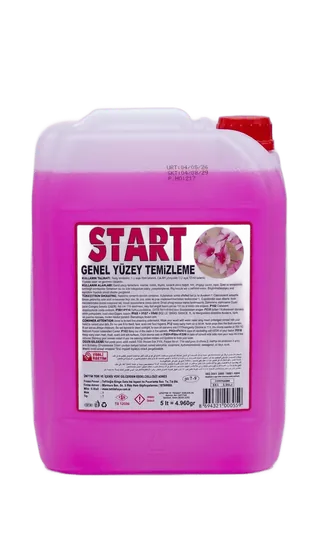
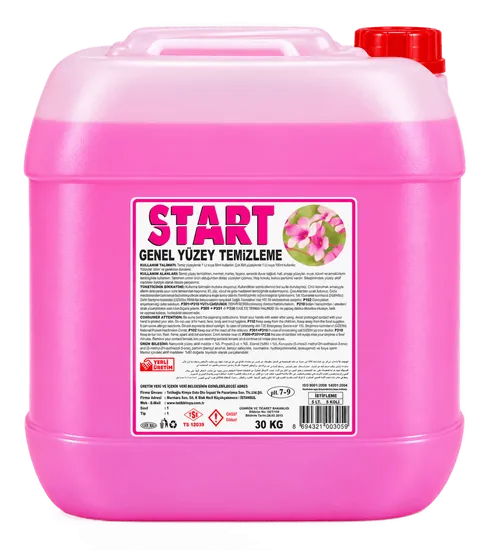
- On the balcony, in the shower tray or in the bathtub, add surface cleaner to lukewarm water at the dose on the label.
- Gently brush the mesh and frame with a soft brush; do not push or press on the mesh.
- Rinse with clean water and hold the screen upright to let the water drain.
- Put it back once it is completely dry; on sliding screens, wipe the tracks as well.
How to clean pleated and concertina fly screens?
Pleated, concertina and folding fly screens are usually not removed. Keep the screen open, remove its dust with a soft brush or the vacuum cleaner's brush attachment, then wipe it gently with a well-wrung damp microfibre cloth. Do not let water get into the mechanism, cords or springs, and do not retract the screen until it is completely dry. For pleated systems, see how to clean pleated blinds.
How to clean fly screen mesh?
Fibreglass and plastic screen mesh is thin and flexible; hard brushes and pressure washers can loosen or puncture it. Clean the mesh with a soft brush and lukewarm water with diluted neutral cleaner, then rinse with clean water. Do not use acidic products such as limescale remover or hydrochloric acid on aluminium mesh and frames; the surface can darken.
Frames, tracks and brushes
The screen frame and tracks are wiped with a damp cloth and diluted surface cleaner; dust in the tracks is first removed with a dry brush. Brush the brush seals of sliding screens without wetting them. For PVC frames and window profiles, see how to clean uPVC windows.
Fly screens that will not come out
Do not force fixed screens that will not come out; the frame and mesh can be damaged. Brush these screens in place and wipe them with a well-wrung damp cloth. Do not lean out on high floors, and get professional help for screens that cannot be reached from inside the window.
What not to do with fly screens
- Using a pressure washer or a hard brush: the mesh loosens or gets punctured.
- Using acidic products on aluminium frames and mesh.
- Wetting the mechanism of pleated and concertina screens.
- Retracting or fitting the screen while it is wet.
- Leaning out of the window to wipe the fly screen.
Together with window cleaning
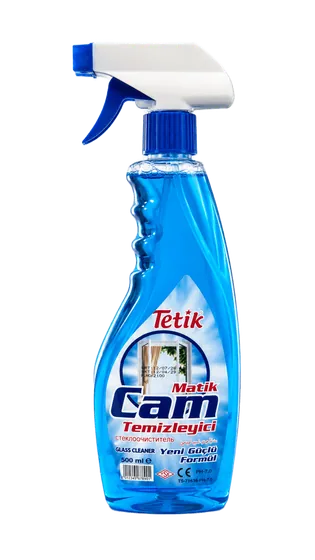
Cleaning fly screens together with the windows makes the job easier: first remove and clean the screen, then wipe the glass and profile. For glass, see how to use glass cleaner; for glass balconies, how to clean a glass balcony.
For building, hotel and office management
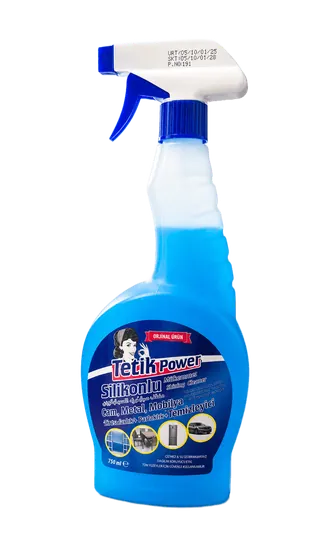
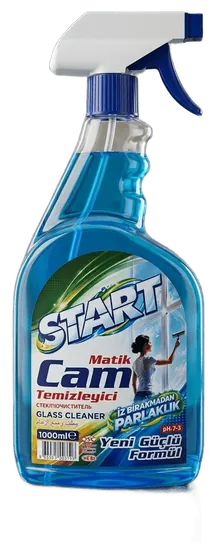
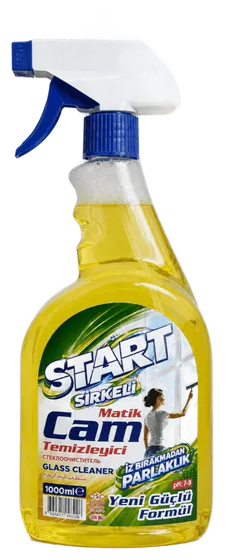
In residential complexes, hotels and office buildings, fly screens are cleaned at the start of spring and together with periodic window cleaning; regular dusting extends the life of the mesh. START all-purpose surface cleaner is produced in 5 l and START glass cleaner spray in 1 l packs. For product lists, see apartment building cleaning supplies and the hotel cleaning supplies list; request a quote for bulk purchases.