Guide · Carpets, sofas and upholstery ·
How to Wash a Kilim Rug
A kilim is thinner and lighter than a carpet, so most kilims can be washed at home. However, wool, cotton, jute and straw kilims react differently to water: some shrink, some bleed colour and some should not be wetted at all. This guide explains how to wash a kilim by hand and in the machine, what to watch for depending on the material, and how to dry it.
Before washing
- Check the label and material: the kilim's label gives washing advice; for hand-woven and old kilims, professional rug cleaning is safer.
- Remove the dust: shake the kilim out outdoors or vacuum both sides; dust turns to mud with water.
- Do a colour test: press a damp white cloth onto a hidden corner of the kilim; if the cloth picks up colour, the kilim bleeds, so do not wet-wash it at home.
How to wash a kilim by hand
- Lay the kilim on a clean floor, a balcony or in the bathtub and wet it with water.
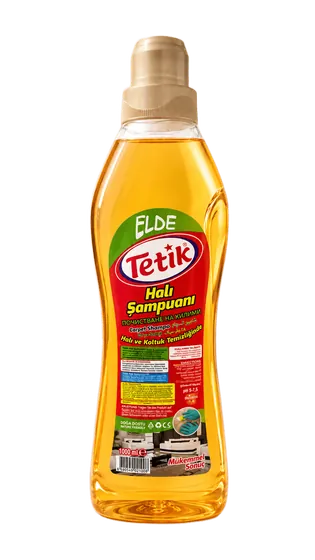
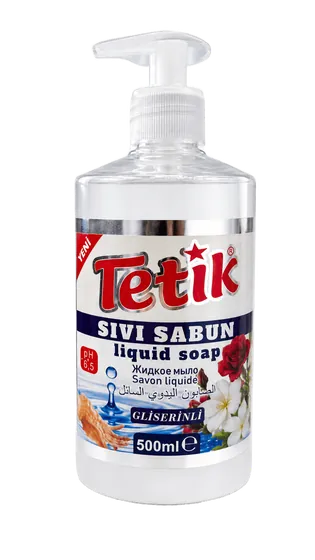
- Dilute carpet shampoo or liquid soft soap with water at the ratio on the label.
- Apply the mixture with a soft brush, brushing in the direction of the weave; brush the fringes gently as well.
- Rinse the kilim with plenty of water until no foam remains; shampoo residue makes the kilim get dirty faster.
- Remove the water with a squeegee or by leaving the kilim on a slope to drain; do not wring it.
How to wash a kilim in the machine
Small cotton and synthetic kilims can be washed in the washing machine if their label allows: fold the kilim so it does not exceed the machine's capacity, choose a delicate or low-temperature programme, use detergent at the dose on the label and keep the spin speed low. On non-slip-backed kilims, high temperatures can damage the backing; follow the label. Do not wash large, heavy kilims in a domestic machine; it strains the machine.
What to watch for with each material
Wool kilims
Wool felts and shrinks with hot water and hard rubbing. Wash it with cold or lukewarm water, quickly and with light brushing; do not leave it soaking for long. Do not use soft soap on wool kilims; the alkaline medium wears the fibres. Take valuable and hand-woven wool kilims to a professional rug cleaner.
Cotton kilims
Cotton kilims stand up well to water, but they may release colour in the first washes and shrink slightly. Do the colour test and use lukewarm water.
Jute and straw kilims
Jute and straw kilims absorb water; when wet they can darken and lose their shape. Do not wet-wash them; vacuum them regularly, blot stains with a slightly damp cloth and dry them straight away.
Plush and non-slip-backed kilims
For plush and non-slip-backed kilims, follow the washing instructions on the label; do not wash them at high temperatures or put them in the tumble dryer.
How to dry a kilim
- Lay the kilim flat or hang it over a railing without folding it; let air reach both sides.
- Do not leave it in direct sunlight for long; the colours can fade.
- Do not put it back on the floor until it is completely dry; moisture causes bad smells and staining.
- Once dry, straighten the pile and fringes with a soft brush.
- For detailed cleaning of rug and kilim fringes: how to clean rug fringes.
- For long-pile shaggy rugs: how to clean a shaggy rug.
- For runners and runner rugs: how to wash a runner rug.
- For prayer rugs that can be machine or hand washed: how to wash a prayer rug.
- For whether potash soap can be used on a sofa: can you clean a sofa with potash soap.
- For laundry that has picked up dye from another item: how to remove dye transfer from clothes.
What not to do
- Using bleach: it fades the colours and weakens the fibres.
- Washing a wool kilim in hot water: it felts and shrinks.
- Wet-washing a kilim that bleeds colour.
- Wringing the kilim: the weave gets distorted.
- Mixing different cleaning products (can cleaning products be mixed).
For mosques, hotels and rug cleaning businesses
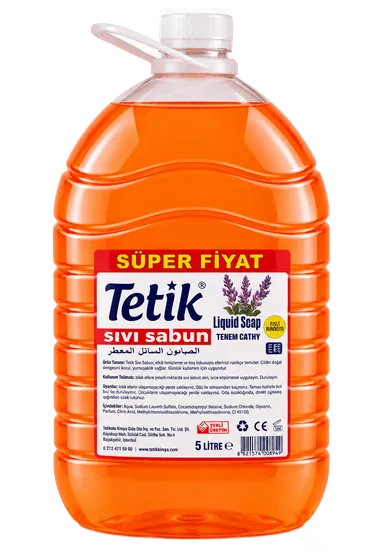
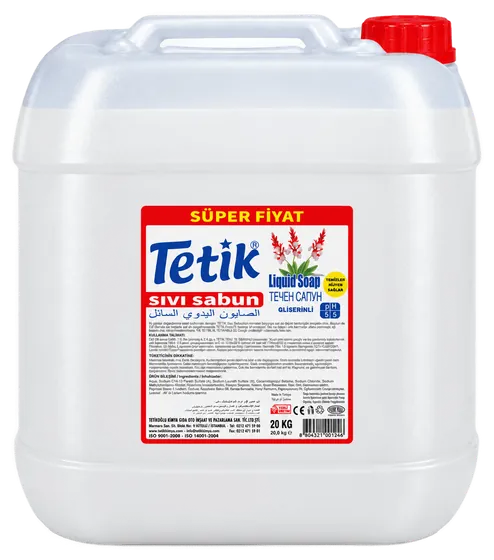
For mosques, hotels and rug cleaning plants, TETİK Carpet Shampoo is produced in 1, 5, 20 and 30 kg packs, TETİK Binbir Stain Remover (Carpet Shampoo) in 30 kg and TETİK Liquid Soft Soap in 5 kg and 20 kg. For carpet washing steps, see how to use carpet shampoo; for mosque carpets, see mosque cleaning supplies, and for bulk purchases you can request a quote.