Guide · Odour and damp problems ·
Why Does My House Smell Bad?
A bad smell in a home that looks clean usually comes not from a single source but from a combination of ventilation, moisture and a few hidden spots. The type of smell, and which part of the home it is strongest in, makes it easier to find the source. This guide explains why a house smells, what causes stale, damp and sewage smells, and what you can do to deal with them at the source.
Why does a house smell?
- Poor ventilation: cooking, sweat and moisture smells build up in a home that stays closed.
- Damp and moisture: moisture collecting along the base of walls, behind cupboards and around windows causes a musty smell.
- Drains and traps: a dried-out trap or build-up inside a drain causes a sewage smell.
- Textiles: carpets, curtains, sofas and beds hold odours.
- Kitchen: the bin, fridge, sink drain and cooker hood filter can all be sources of odour.
- Pets: fur, the litter tray and urine residue cause odour in the home.
Why does my house smell stale?
In a home that stays closed for a long time or is rarely aired, cooking, sweat, smoke and moisture smells settle into textiles and the air, making the home smell stale and heavy. Air the home briefly every day by opening windows on opposite sides, run the cooker hood while cooking and clean its filter regularly: how to clean a cooker hood. Wash textiles such as curtains, cushion covers and bedspreads regularly.
Why does my house smell damp?
A damp smell comes from moisture building up in the home. Closed windows in winter, drying laundry indoors, and steam from showers and cooking all increase humidity; moisture collects along the base of walls, behind cupboards and around windows. Air the home regularly, do not push furniture right up against walls, and dry laundry in a well-ventilated place if possible. If stains are spreading on the walls or the damp is constant, ask a specialist about the source of the moisture. For damp in the bathroom see bathroom smell, and for musty laundry see why does laundry smell.
On the causes of damp and clothing smells in wardrobes and cupboards: wardrobe smell.
Why does my house smell like sewage?
A sewage smell in the home usually comes from bathroom, kitchen or balcony drains. In rarely used basins, showers and floor drains, the water in the trap evaporates and the drain smell rises indoors; pour in some water at regular intervals and clean the drain grates. For drain smells, an enzyme odour remover can be applied as directed on the label at times when little water is used. For details see how to get rid of drain smell; if the smell continues, have the plumbing checked.
Finding the source of the smell
- Note which room and time of day the smell is strongest; check the bathroom, kitchen and drains first.
- For carpet and textile odours: carpet smell.
- For fridge odours: how to clean a fridge.
- For bin and container odours: how to get rid of bin smell.
- For pet odours, clean the litter tray and the textiles your pet lies on regularly: how to clean a litter tray.
- On why a new, memory foam or used mattress smells: mattress smell.
- On the causes of sink, cloth and cupboard odours in the kitchen: kitchen smell.
If you smell gas
If you smell natural gas or bottled gas at home, do not touch electrical switches or light any flame, open the windows, turn off the gas valve, leave the building and call the gas emergency line. Do not try to mask this smell with room fragrance or cleaning products.
Choose the right products
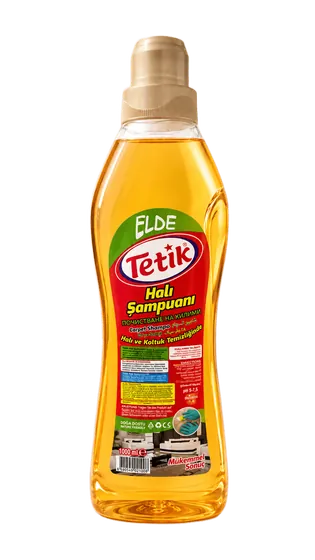
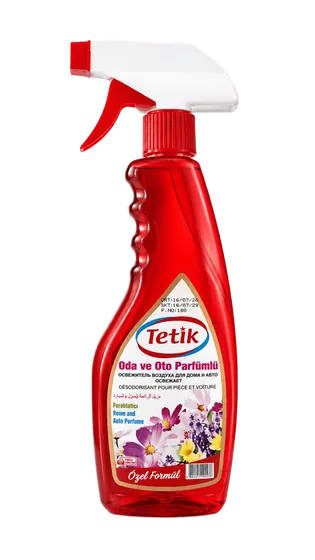
Once the source of the smell has been cleaned, TETİK Room Fragrance can be used for ambient scent; room fragrance masks a smell, it does not remove its source (how to use room fragrance). Surface cleaners for surfaces, carpet shampoos for carpets and odour removers for drains are used as directed on the label. Hotels, dormitories and offices can request a quote for bulk orders.