Guide · Odour and damp problems ·
What Causes a Wardrobe Smell?
A smell from a wardrobe usually does not come from the wardrobe itself but from moisture building up inside, from clothes put away before they are fully dry or hung up after being worn once without washing, from a cold outside wall or from the materials of a new wardrobe. Because it is a closed space with little air, a wardrobe passes the smell on to all the clothes inside. This guide explains why a wardrobe smells, what causes odour inside the wardrobe and in the clothes, how to reduce new furniture smell and what you can do to prevent wardrobe odour.
Why does a wardrobe smell?
- Damp and lack of air: in a wardrobe that is always closed and packed full, air does not circulate and moisture builds up.
- Clothes put away damp: laundry that is not fully dry leaves moisture in the wardrobe and passes the musty smell to other clothes.
- Worn clothes: sweat and body odour from clothes hung up after being worn once without washing get into the wardrobe.
- Cold outside wall: moisture condenses behind a wardrobe standing against an outside wall and causes a musty smell.
- New wardrobe: the smell of chipboard, MDF, glue, paint and varnish can be noticed in new wardrobes for a while.
- Shoes and bags: shoes, sports bags and damp towels put in the wardrobe spread odour into it.
Why do clothes in the wardrobe smell?
Clothes in a wardrobe usually smell when they are put away before they are fully dry, when worn clothes are hung among clean ones or when the wardrobe has not been aired for a long time. Wait until thick seams and pockets are dry before putting laundry away; air clothes you have worn once and hang them separately, or wash them. If clothes smell straight after washing, the cause may be the wash rather than the wardrobe: why does laundry smell. Rewash smelly clothes and dry them completely, empty and wipe the wardrobe, and put the clothes back once it is dry.
Why does the inside of a wardrobe smell musty?
A musty smell inside a wardrobe shows that moisture has stayed in it. If the wardrobe stands against an outside wall or a bathroom wall, moisture condensing on the cold surface builds up behind it and on its base; a room that is not aired adds to the moisture. Empty the wardrobe, wipe the inside with a well-wrung cloth in a way that suits the material, dry it and leave the doors open for a while: how to clean inside cupboards. Place the wardrobe slightly away from the wall and air the room regularly. If you see wetness or mould stains on the wall behind the wardrobe, have a specialist find the source of the moisture; for damp smells in the home: why does my house smell.
How to get rid of new furniture smell
The smell of a new wardrobe usually comes from volatile substances given off by chipboard, MDF, glue, paint and varnish, and it fades over time. Before you start using the wardrobe, leave the doors and drawers open and air the room often. Remove the assembly dust, wipe the inside of the wardrobe and put clothes in only once it is completely dry. Do not mask the smell with room fragrance; if the smell is strong or lasts a long time, ask the wardrobe's manufacturer or seller.
Why do kitchen, shoe and bathroom cabinets smell?
- Kitchen cupboard: spilled oil, sauces and spices and food stored uncovered cause odour: kitchen smell.
- Shoe cabinet: shoes put away before they have dried build up odour in the cabinet: why do shoes smell.
- Bathroom cabinet: bathroom moisture and spilled products cause odour inside the cabinet: why does my bathroom smell.
How to prevent wardrobe odour
- Put clothes and bedding away only once they are completely dry.
- Do not hang worn clothes among washed ones.
- Do not pack the wardrobe full; let air circulate between the clothes.
- Leave the doors open now and then and air the room.
- Empty, wipe and dry the wardrobe at the change of season.
- Store clothes you will keep for a long time clean and dry in breathable cotton bags; a sealed plastic bag can trap moisture inside.
- Masking the smell with room fragrance does not remove its source.
Choose the right products
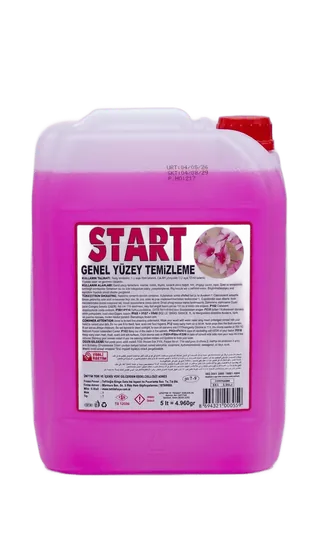
Surface cleaners are used for wiping the inside of the wardrobe and laundry detergents for rewashing smelly clothes, as directed on the label; too much detergent and softener leaves residue in fabric, so use products in the amount on the label and do not mix them with each other. Hotels, dormitories and guesthouses can request a quote for bulk orders.