Guide · Sourcing, wholesale and production ·
Opening a Cleaning Products Shop
Selling detergents and cleaning supplies appeals to a wide range of buyers, from households to tradespeople. A successful shop rests on the right product range, reliable supply and an orderly shelf and storage layout. This guide sums up what to watch for when opening a cleaning products shop, from choosing products to checking suppliers.
1. Define your customers
- Household customers: bottles and small canisters; colour and scent options matter.
- Tradespeople and businesses: cafés, hairdressers, offices and building managers; 5–30 kg canisters for regular use.
- Institutions: schools and public bodies ask for documents, so keep track of certified products separately.
2. Build your product range
The product groups that cover basic needs in the shop are:
- Dishwashing liquid and liquid soap
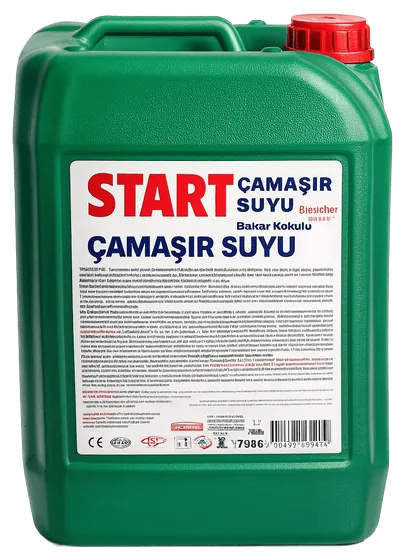
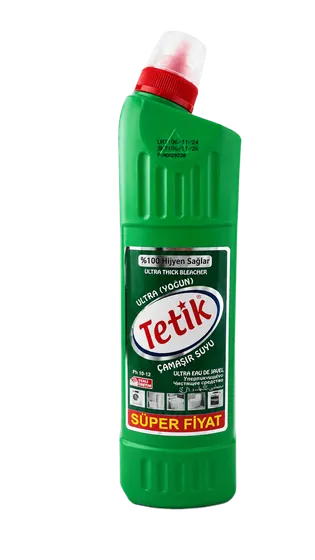
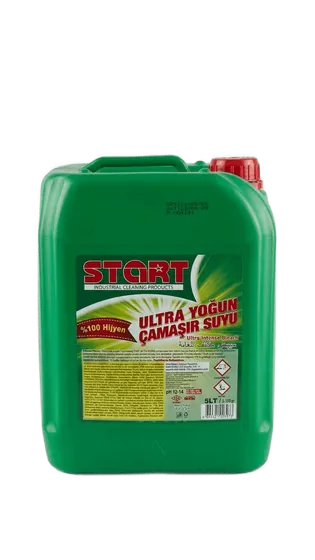
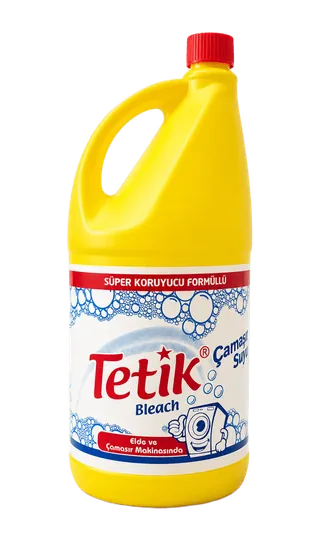
- Bleach, laundry detergent and fabric softener
- Surface cleaner, glass cleaner, bathroom & toilet cleaner and limescale remover
- Complementary products such as degreaser, carpet shampoo and odour remover
- Seasonal products: antifreeze windscreen washer fluid in winter, car shampoo for car washing
3. Check the supplier and documents
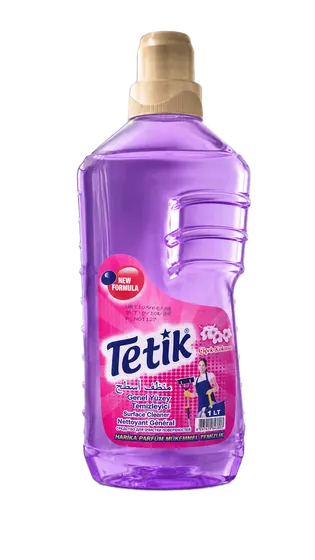
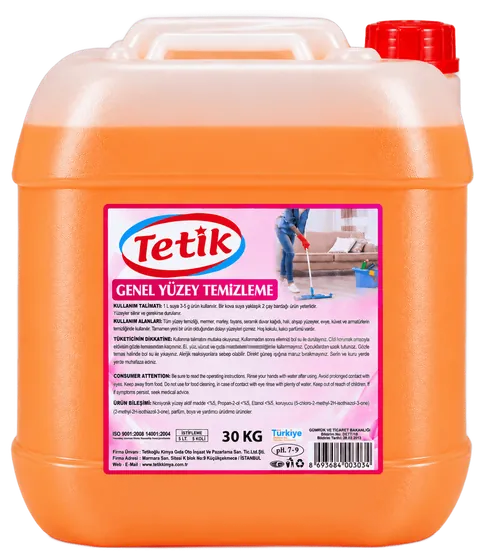
- Having the same product in both bottles and large canisters lets you serve household customers and tradespeople from the same supplier.
- Ask for products to be labelled and for safety data sheets to be supplied on request.
- If you will sell to institutions, ask for TSE and Domestic Goods certificates; our certificates are on the documents and certificates page.
- Before deciding whether to work with a manufacturer or a wholesaler, you can read our article what to look for when choosing a cleaning products manufacturer.
Plan your opening stock
- In the first order, buy a few cartons from each product group; do not tie up too much capital in a single product.
- Record how much of each product sells in the first month and base the next order on that record.
- Restock fast-moving products such as dishwashing liquid, bleach and surface cleaner before they run out.
- Stock seasonal products such as antifreeze washer fluid before the season starts.
4. Shelf and storage layout
- Put heavy canisters on the lower shelves and bottles at eye level.
- Keep bleach on separate shelves from acidic products such as hydrochloric acid and limescale remover; details: how to store cleaning products.
- Rotate stock on a first-in, first-out (FIFO) basis; take damaged and leaking packs off sale.
Selling into the customer's own container
Some shops sell by filling the customer's own container from a large drum. If you plan to do this, find out the labelling and packaging rules from your municipality and the relevant regulations beforehand. Never fill products into water or drink bottles; the container you fill must carry the product name and its usage warnings.
For our drum products suited to refill selling and safe filling, see the wholesale refill detergent guide.
5. Official procedures
For official procedures such as a business licence, tax registration and activity code, consult your municipality and your accountant.
Product supply for your shop
Tetikoğlu Kimya works with dealers and distributors under the TETİK, START, İLK BOR, FOUR4MÜL and JELPAK brands. Dealership terms are shared on application; you can apply on the detergent dealership page. For bulk purchases, see the wholesale cleaning products page.