Guide · Household items and appliances ·
How to Clean a Sewing Machine
In a sewing machine, lint shed by fabric and thread builds up in the bobbin case, around the hook and under the feed dogs that move the fabric. Built-up lint can cause skipped stitches, thread breaks and a machine that runs stiffly. This guide explains how to clean a sewing machine inside and out and how to deal with sewing machine oil and rusty parts. For brand- and model-specific steps, follow the machine's user manual.
Before you start
- Unplug it: switch the machine off, unplug it and disconnect the foot pedal cable.
- Remove the needle and foot: take out the needle and presser foot to protect your hands and open up the area to be cleaned.
- Keep the manual to hand: check in the manual how the needle plate, bobbin cover and hook are removed.
- Take photos: photograph where each part you remove goes and which way it faces.
How to clean a sewing machine: step by step
- Open the bobbin cover and take out the bobbin and, if the manual allows, the bobbin case.
- Remove the needle plate as shown in the manual.
- Sweep the lint between the feed dogs and in the bobbin area outwards with a small, soft-bristled brush.
- Pick up the remaining fine lint with the narrow nozzle of a vacuum cleaner; compressed air can push lint into the machine.
- Refit the parts in the reverse order of removal; replace a bent or blunt needle with a new one.
- Test the machine by sewing on a scrap of fabric.
How to clean oil off a sewing machine
A sewing machine is oiled only at the points shown in the user manual and with the sewing machine oil recommended by the manufacturer; some models need no oiling. After oiling, wipe off excess oil with a clean, lint-free cloth and first run the machine on a scrap of fabric so the oil does not get onto your work. If oil gets onto fabric, follow the steps in how to remove machine oil stains. For old, thickened oil deposits, take the machine to an authorised service centre.
Rusty sewing machine
Rust on the metal parts of a sewing machine usually comes from storing the machine in a damp place. Trying to remove rust with cleaning products can damage delicate parts and finishes; no product is claimed to be suitable for rust. Replace a rusty needle plate, hook or needle with the manufacturer's spare parts; for rust on the housing and mechanism, contact an authorised service centre. Storing the machine in a dry place with its cover on helps prevent rust.
Housing
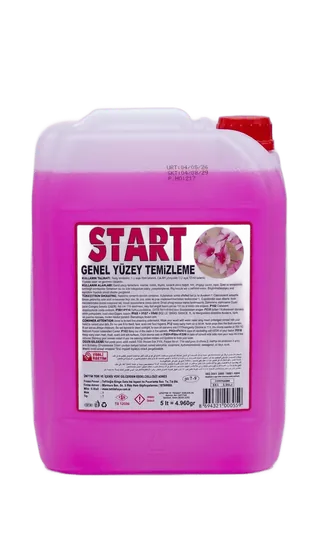
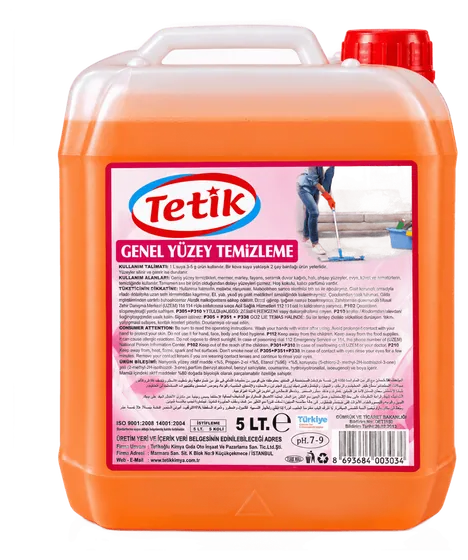
- With the machine unplugged, wipe the housing with a well-wrung cloth dampened with lukewarm water and START all-purpose surface cleaner at the dose on the label.
- Then wipe with a clean damp cloth and dry; do not let water get inside the machine.
- On models with a display or touch panel, wipe the panel with a dry microfibre cloth or one dampened with water only.
- For the iron soleplate: how to clean an iron soleplate.
Keeping them clean
- After each sewing job, brush away the lint around the bobbin.
- Fit the cover or dust cover when the machine is not in use.
- Store the machine in a dry place.
- Have the machine oiled and serviced at the intervals given in the manual.
What not to do
- Cleaning the machine while it is plugged in.
- Blowing lint into the machine with compressed air.
- Applying cooking oil or any oil not listed in the manual to the machine.
- Spraying cleaning products directly onto the housing and mechanism.
- Scraping the bobbin case with sharp metal tools.
For garment workshops and tailors
In garment workshops and tailors' shops, sewing machines run all day; brushing the bobbin area at the end of a shift or day, oiling machines according to the manufacturer's instructions and planning periodic servicing keeps the routine consistent. For workshop floors and general cleaning, see factory cleaning supplies. START all-purpose surface cleaner is produced in 5 L packs; for bulk purchases you can request a quote.